

















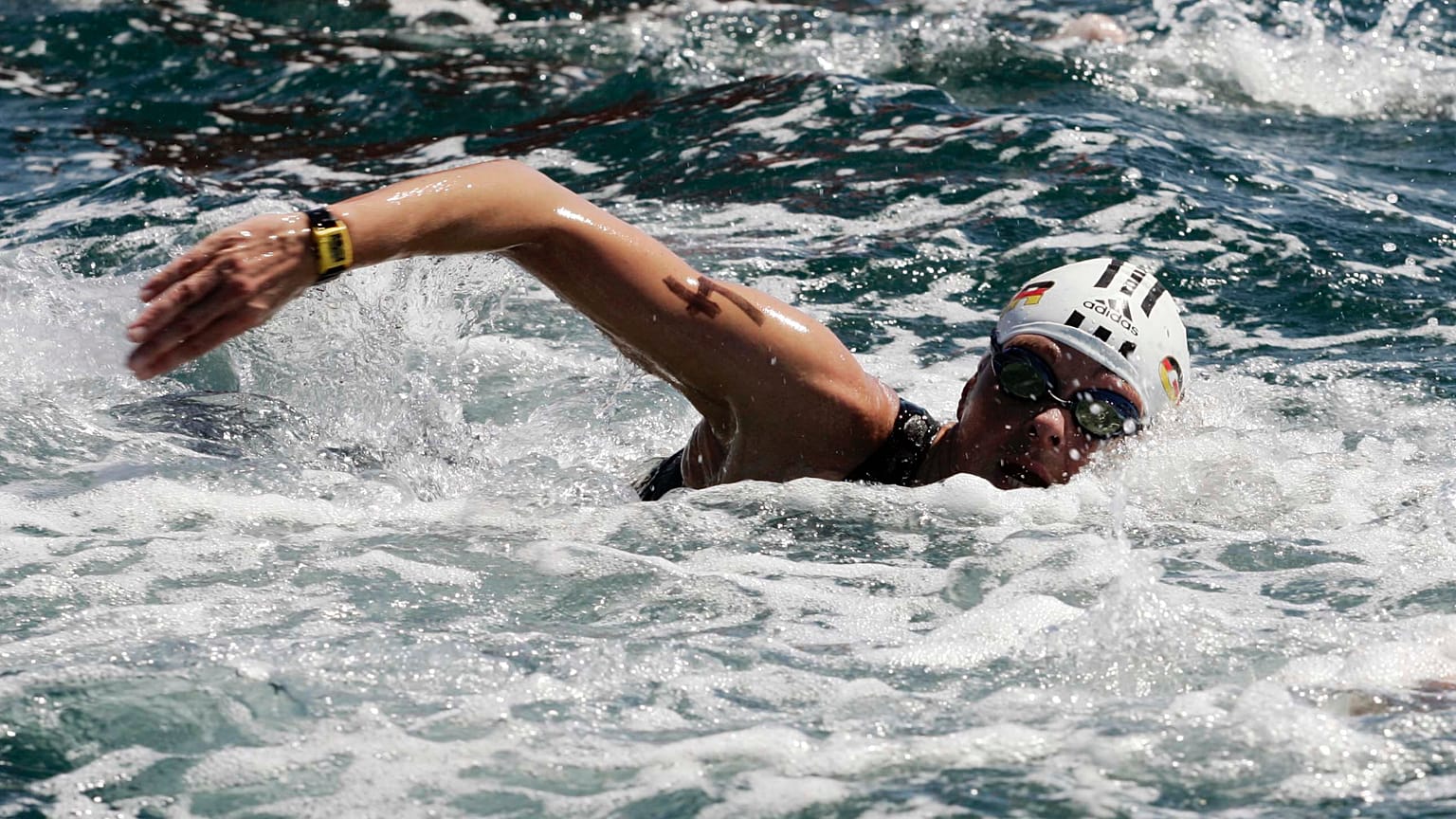













Europeans planning a beach trip this summer can rest easy: a recently published report shows that 96 per cent of Europe’s waters are safe for bathing. How is the European Union ensuring this? And are any gaps in its strategy putting Europeans at risk?
The report shows that 85 per cent of the monitored sites achieved the highest “excellent” quality rating. Coastal waters outperformed inland rivers and lakes due to natural water circulation and the quicker dilution of contaminants. However, nearly 300 locations across the bloc failed to meet basic safety thresholds, leading to immediate swimming bans. The main cause? Agricultural run-off and sewage overflows during periods of heavy rainfall.
 ADVERTISEMENT
ADVERTISEMENT
ADVERTISEMENT
Historically, EU authorities struggled with recurring industrial chemical contamination and inadequate urban wastewater infrastructure. Frequent discharges of untreated sewage directly into public waterways forced unexpected beach closures during peak tourism months. Earlier management frameworks also failed to adequately track emerging chemical hazards, leaving public health vulnerable to undetected pollutants. Older monitoring systems lacked the real-time reporting capabilities needed to warn the public about sudden spikes in bacterial levels.
Today, the EU regulates water standards through the legally binding Bathing Water Directive, which mandates uniform water testing across all member states.
National authorities must sample local waters for specific bacteria, such as E. coli, throughout the active swimming season. Under the broader Water Framework Directive, the EU combines these recreational rules with strict groundwater protections to tackle pollution at its source.
Do you trust European waters? Are you worried about the risks associated with swimming? Our poll is anonymous and takes only a few seconds to complete. The results will be featured across EU-wide XL coverage, in videos, articles and newsletters, and will help shape our reporting as we examine how Europe can secure its position in the age of artificial intelligence.