


















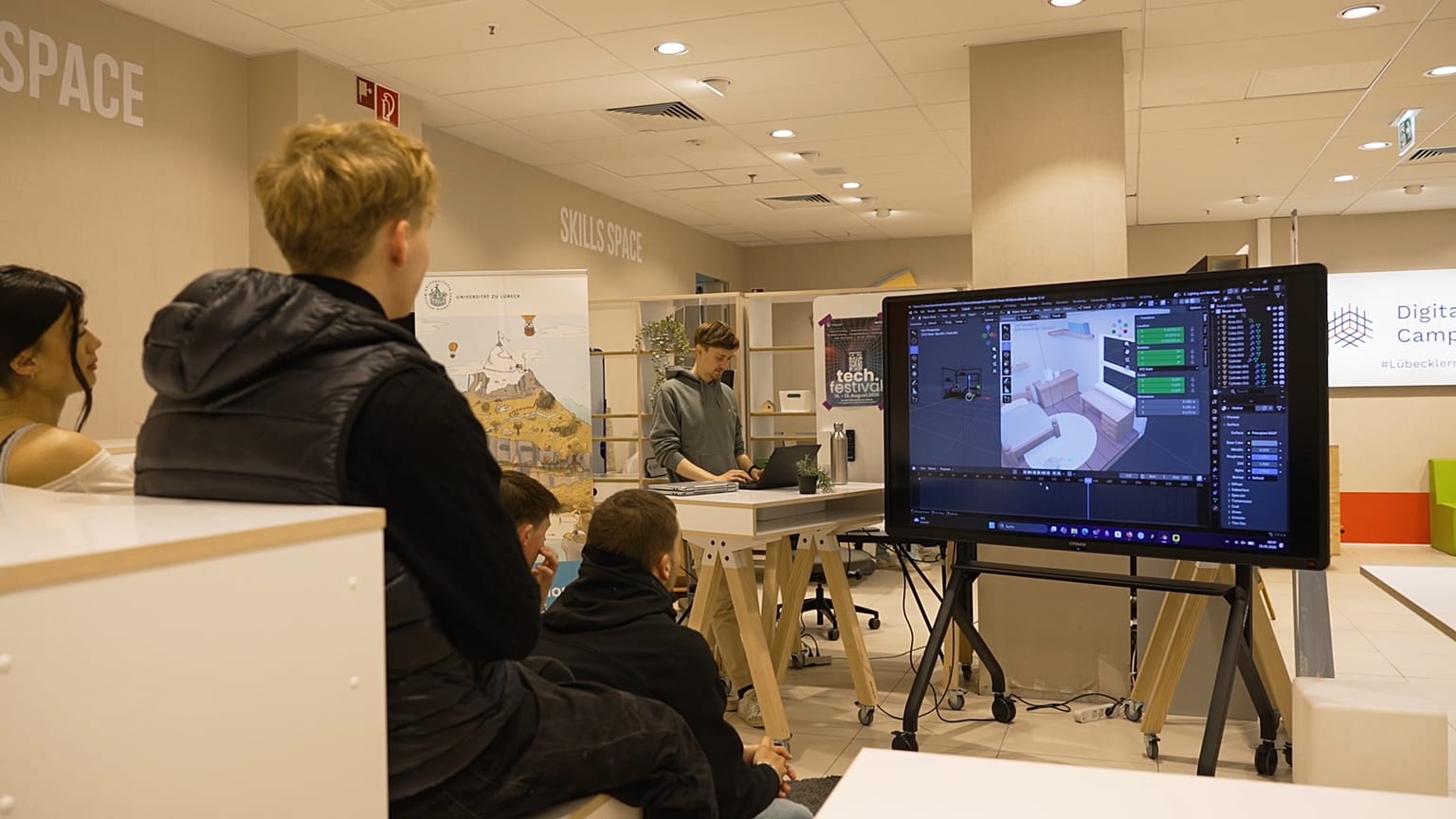














Germany’s Schleswig-Holstein has launched a digital campus with over 600 online and in-person courses on AI, virtual and augmented reality and other cutting-edge technologies. It is free of charge and open to all.
In the digital age, you need to learn quickly. The Digital Learning Campus (DLC) was created in March 2024 to seize this educational opportunity. It is a pioneering online and in-person digital learning space in the north German state of Schleswig-Holstein, home to 2.9 million people. 11 towns, including Flensburg, Enge-Sande, Schleswig, Eckernförde, Kiel, Heide, Neumünster, Itzehoe, Elmshorn and Bad Oldesloe, are hosting this initiative in unusual locations such as gardens, markets or shopping centres, as is the case in Lübeck. All you have to do is turn up and register for any of the dozen or so workshops on offer. You don't need to know how to program or understand how artificial intelligence, virtual reality or robotics work. Several companies and universities in the region use these learning modules to showcase their know-how, train the public and promote education. This pilot project is co-funded by the European Union and managed by the Ministry of Education of the Schleswig-Holstein region.
 ADVERTISEMENT
ADVERTISEMENT
ADVERTISEMENT
Thomas Lange, head of the DLC project in Lübeck, says that, on the one hand, opting for alternative locations outside of universities, schools and companies makes the workshops more appealing. On the other hand, the courses are taught or facilitated by entrepreneurs and university lecturers, aligning training with market needs.
For example, the DLC in Lübeck is a showcase encouraging young people, especially girls, to take an interest in careers in computing, natural sciences and technology. MINT4Girls supports around fifty young female students from the region. The digital learning campus offers 400 face-to-face courses. This visit is an essential part of the programme, stresses Printha Tharmabalan, who is in charge of the project.
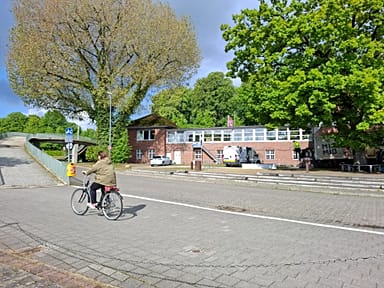
Future extracurricular subjects
DLC is also an online learning platform offering 230 courses, ranging from one to six hours in duration. It covers topics that might not come up in school, but which are already part of today's world and will be needed for jobs in the future. Students register in one click. “A few of our teachers told me to have a look at this, and yeah, it's quite nice, I'd say. I don't know if I get points for this in particular, but I'll definitely get a certificate, which is also nice to hand in whenever you're applying for anything,” says Arthur Feliz Redlin, a student in Kiel.
With 5,000 registered students, 20,000 courses and 60,000 visits, the DLC platform aims to expand, according to Stefan Lemke, Policy Adviser for Future Skills at the Ministry of Education of Schleswig-Holstein.
The total budget for this project is €38 million: 50% from the Schleswig-Holstein region; 40% from the European cohesion policy and 10% from 29 partners, including universities and public bodies.