















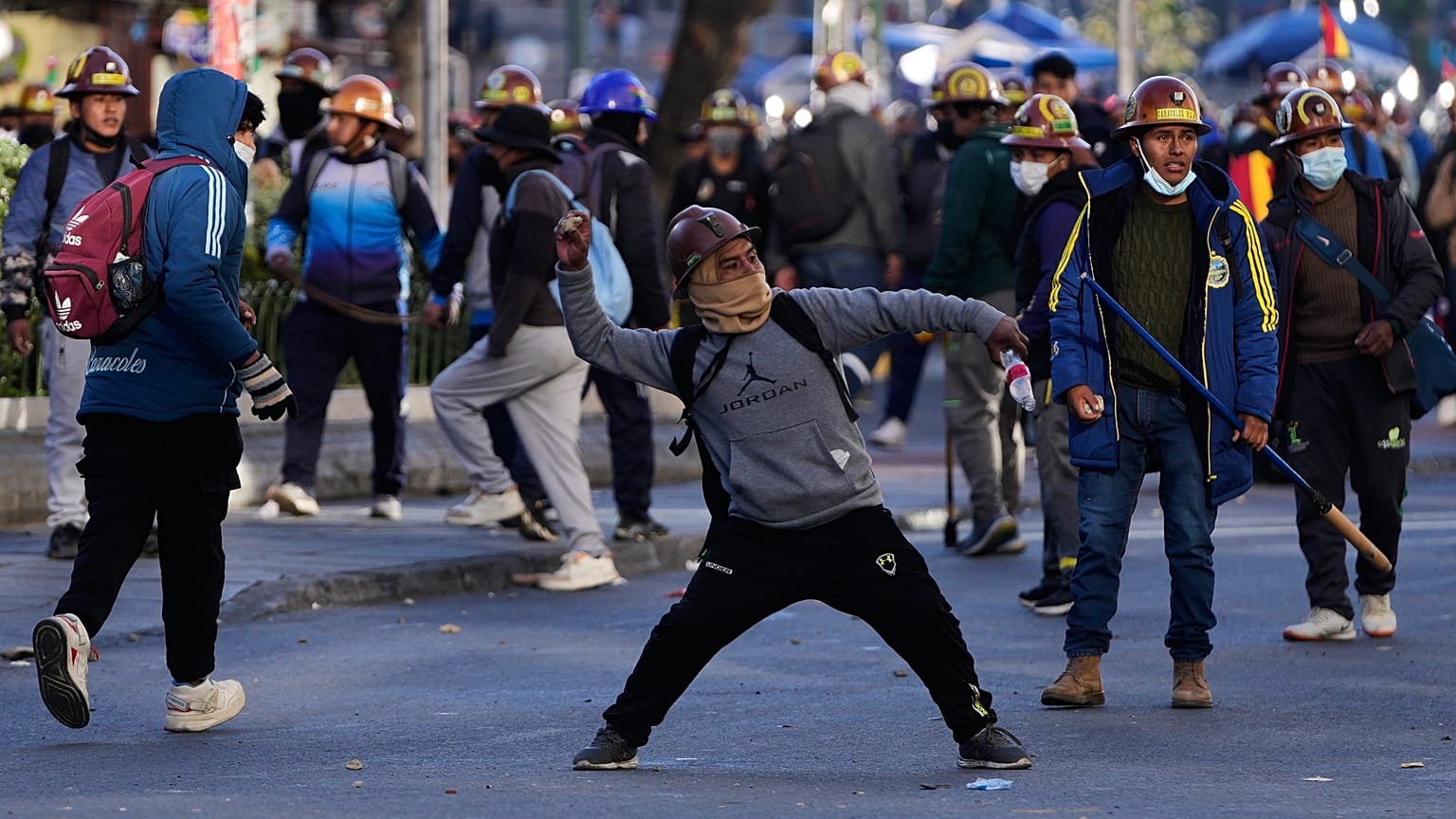














The government has refused to rule out declaring a state of emergency and using the military to control the demonstrations.
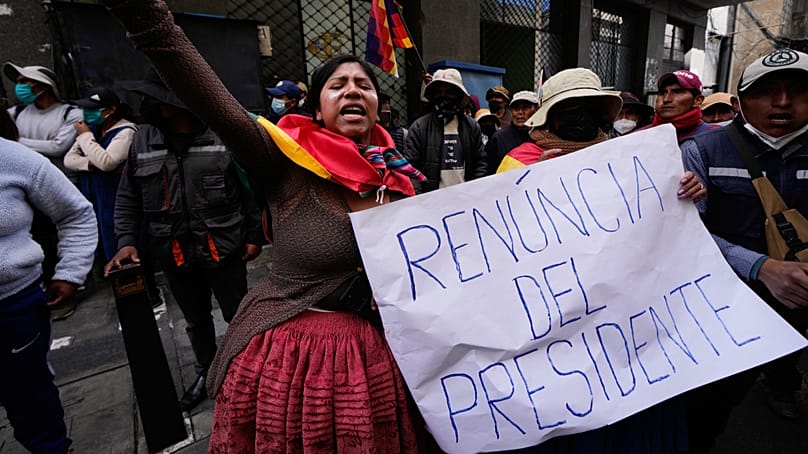
Bolivia's defence and education ministers resigned on Tuesday after weeks of protests demanding President Rodrigo Paz step down, authorities said.
 ADVERTISEMENT
ADVERTISEMENT
ADVERTISEMENT
The departures are the latest escalation in a deepening political crisis that has paralysed major cities and threatened Paz's government.
Workers, farmers, miners, transport workers and teachers are demanding measures to ease the country's worst economic crisis in four decades.
Paz, who was backed by US President Donald Trump, has warned that Bolivia is at a "breaking point."
The government has refused to rule out declaring a state of emergency and using the military to control the demonstrations.
"Yes, this information is confirmed," a Defence Ministry source said, who confirmed Marcelo Salinas' departure from the defence ministry but requested anonymity.
Bolivian media reported that Salinas resigned and was replaced by Ernesto Justiniano, a junior minister who acts as the country's anti-drug tsar.
Education Minister Beatriz Garcia also resigned, her ministry said.
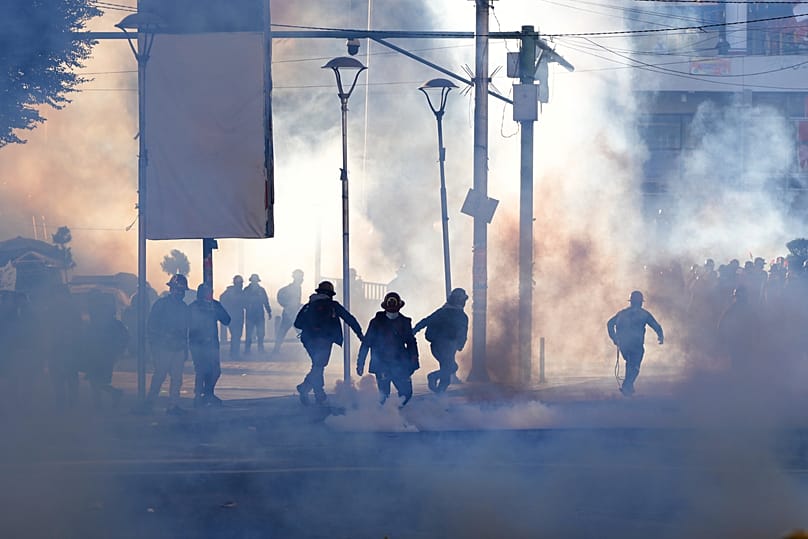
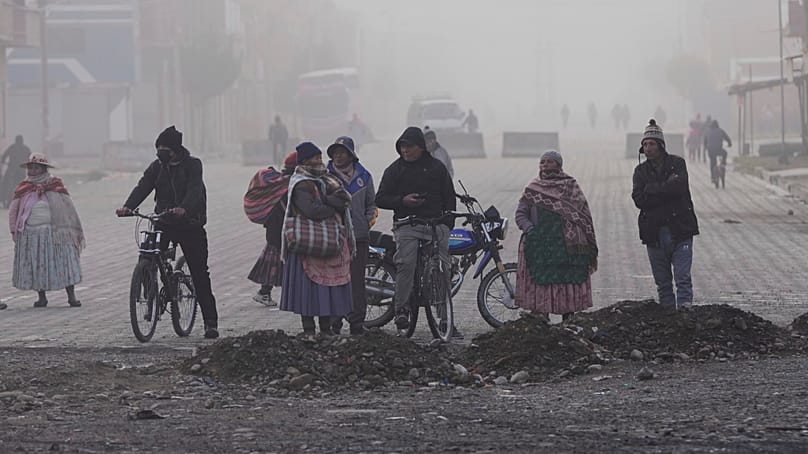
About 100 road blockades have been reported nationwide, nearly double the number two weeks ago, according to official data.
The roadblocks have triggered shortages of food, medicine and fuel in La Paz, neighbouring El Alto and other cities, and driven up prices of basic goods.
The government has accused protesters of attempting to "alter the democratic order" and suggested former socialist president Evo Morales is driving the protests.
Morales is in hiding while facing charges of trafficking a teenage girl with whom he allegedly fathered a child.
He told the AFP news agency recently that Bolivians are furious because Paz oversees "a government that is utterly submissive" to Washington.
"I am totally convinced this rebellion is against the neo-liberal model and the neo-colonial state," he said.
Morales led Bolivia from 2006 to 2019 and fled to Mexico during a popular uprising against him after a disputed election. He returned from exile in 2020.
Paz has attempted to quell protesters' fury by saying he will cut his own salary in half in solidarity with the poor, a symbolic gesture since his monthly earnings come to around 24,000 bolivianos (€3,016).
He has also vowed to give Indigenous groups and labour unions more of a say in policy-making and fired his unpopular labour minister, all to no avail.
A referendum as a way out of crisis?
Amid the political and social deadlock, some opposition figures have floated an alternative that until a few weeks ago seemed unlikely: bringing forward a recall referendum to decide whether Paz should remain in office.
The proposal has gained momentum as the protests and roadblocks isolating La Paz and El Alto drag on, and as doubts grow over the government's ability to restore order.
The proposal, promoted by opposition leaders and backed by some analysts as a way to resolve the crisis, calls for a referendum in the coming months so that Bolivians can decide whether Paz should remain in office.
For now, the government says dialogue is its priority and rules out any possibility of resignation.