




























Europe has been identified as the planet’s fastest-warming continent, underlining the ‘urgency’ to reduce emissions and strengthen climate resilience.
Northern and Eastern European capitals are more resilient to climate change extremes than others in Europe, according to one of the largest databases on climate adaptation.
 ADVERTISEMENT
ADVERTISEMENT
ADVERTISEMENT
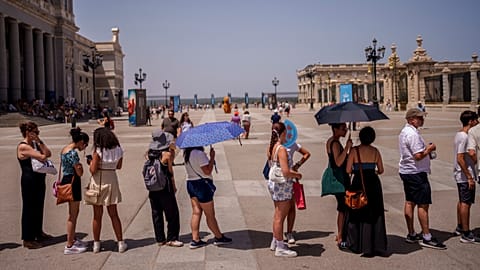
Europe has been identified as the fastest-warming continent on the planet, paving the way for more extreme weather such as deadly heatwaves, forest fires and floods.
According to a report by the Copernicus Climate Change Service (C3S), warm conditions and above-average temperatures were recorded across at least 95 per cent of the continent last year.
The European Union says the report “underlines the urgency” for the bloc to reduce greenhouse gas emissions to net-zero and “strengthen its resilience to climate impacts”.
Europe’s most climate-resilient capitals – ranked
A new index by Polish-led initiative COOLCITY has analysed more than 11,000 European urban areas to assess which are physically best able to cope with climate challenges.
Led by MGGP Aero, a company specialising in aerial surveying and remote sensing, the COOLCITY Index (CCI) combines satellite data, aerial laser scanning and artificial intelligence to analyse urban environments.
The CCI looks at the natural and built features that buffer cities against heat, flooding and drought. It scores each city on a scale of zero to 10 using five key adaptation challenges: land permeability, vegetation state, biodiversity, water conditions and thermal conditions.
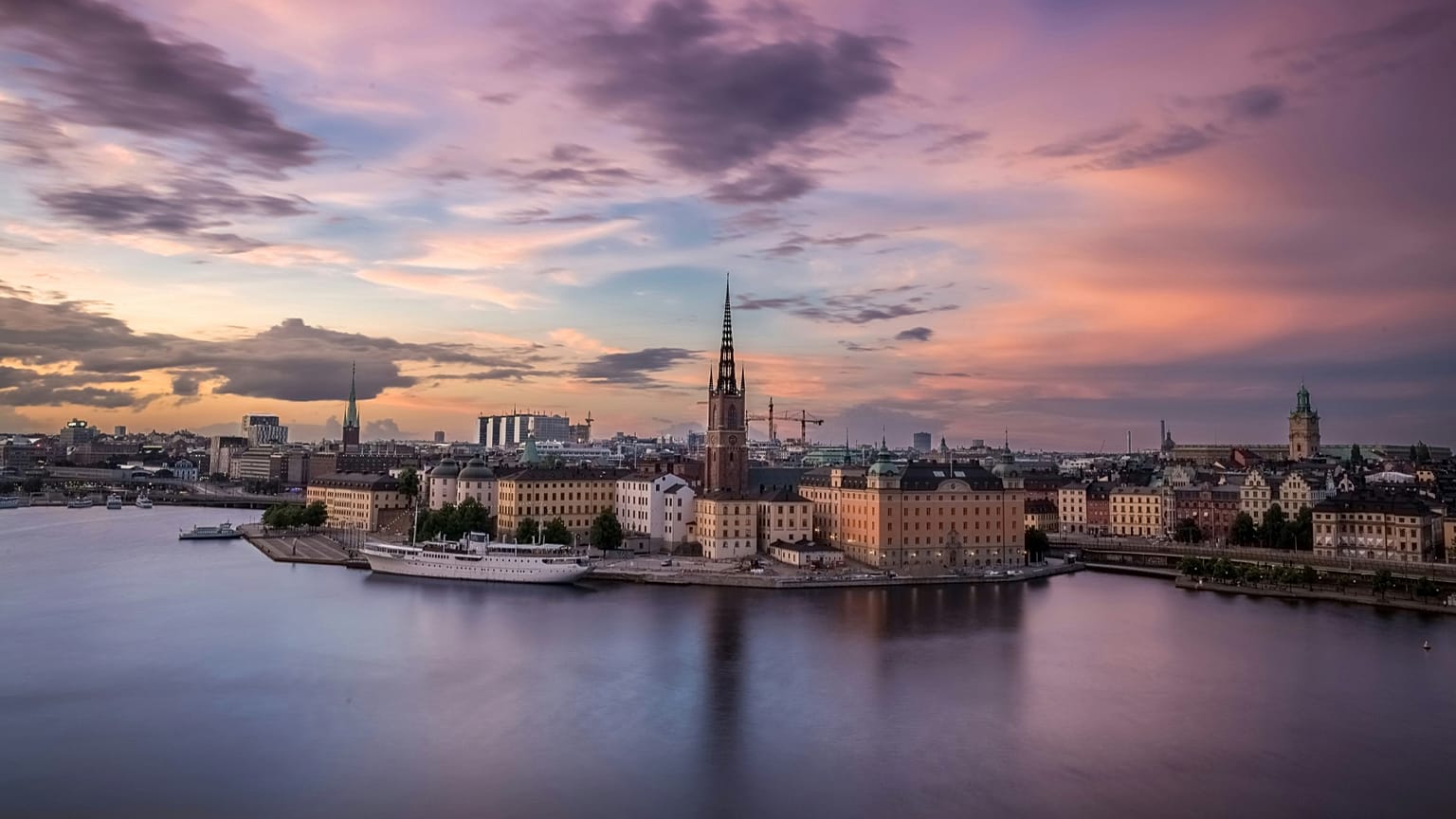
Among Europe’s capitals, Stockholm, in Sweden, topped the ranking, with a CCI ranking of 6.7. This is a 0.3 increase from last year, bumping Vilnius, in Lithuania, from first place.
Here are the top 10 most climate-resilient capitals and their respective scores:
- Stockholm, Sweden: 6.7
- Vilnius, Lithuania: 6.4
- Riga, Latvia: 6.3
- Tallinn, Estonia: 5.9
- Helsinki, Finland: 5.8
- Zagreb, Croatia: 5.8
- Bratislava, Slovakia: 5.7
- Warsaw, Poland: 5.7
- Berlin, Germany: 5.6
- Prague, Czech Republic: 5.5
Why Stockholm is Europe’s most climate-resilient capital
Stockholm scored highly on land permeability (8.4 out of 10), meaning a lot of rain can soak into the ground rather than causing flooding.
Geography plays a major role – Stockholm is surrounded by forests and nature reserves – but the city has also invested in maintaining that advantage. After appointing its first ‘tree officer’ in 2001, the city’s urban trees have thrived thanks to the invention of ‘Stockholm tree pits’, which create forest-like soil conditions beneath hard surfaces, nourishing roots and soaking up rainwater.
Unsurprisingly then, the city also scored well on its vegetation state (6.2) – which ranks the health and coverage of trees and green spaces that help cool cities and absorb water.
This, combined with the city’s unique composition of 14 islands where freshwater Lake Mälaren flows into the Baltic Sea, means it also scored well on thermal conditions (6.7), as urban surfaces have plenty of cooling mechanisms.
The city’s extensive waterways gained a good water conditions score (6.4) too, reflecting their health and reach. On biodiversity, Stockholm scored 5.6.