

















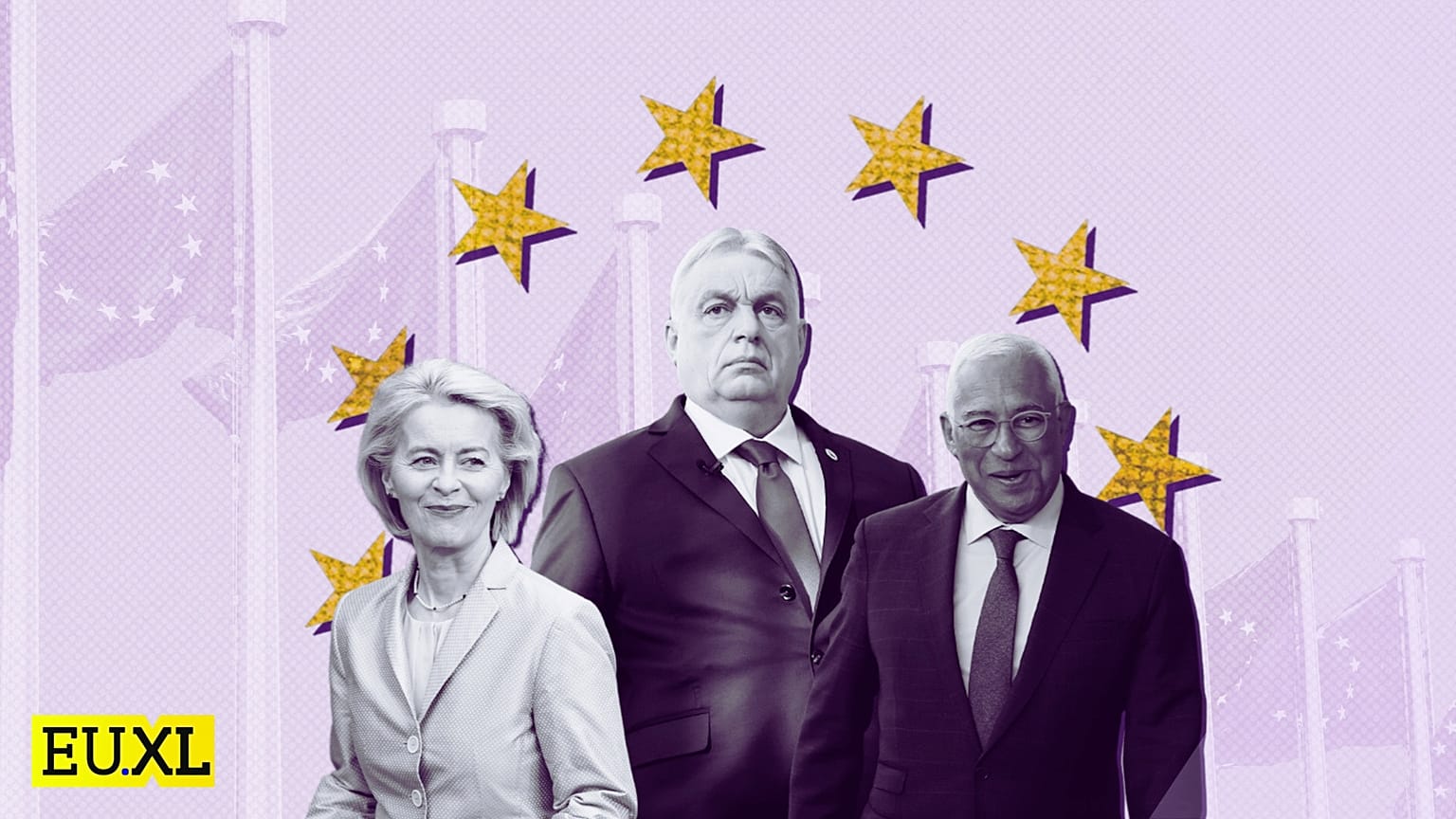













What happens when a mechanism intended to protect national sovereignty becomes a power move against the entire bloc? Watch the video!
Under EU treaties, member states can veto decisions in areas that touch their core sovereignty: foreign policy, taxation, enlargement, and the budget. Under the EU treaties, the bloc is a union of sovereign states, not a federation, and no government should be forced into decisions that cut against its fundamental interests.
 ADVERTISEMENT
ADVERTISEMENT
ADVERTISEMENT
That legal basis is solid. Article 31(1) of the Treaty on European Union mandates unanimity on foreign and security policy decisions. Article 4(2) obliges the EU to respect member states' national identities. The veto is not a loophole; it rightfully exists by design.
The problem is what happens when it's used to extract concessions.
There are no formal safeguards to differentiate between a legitimate sovereignty veto, and one used as leverage on unrelated issues. Member states consistently present each veto as a matter of sovereignty protection. For example, Hungary has vetoed aid to Ukraine or sanctions against Russia (21 times across 38 issues since 2011), officially justifying these actions in the same manner as other countries.
Yet abolishing the veto requires unanimity, locking the bloc in a cycle where reform seems out of reach.