
















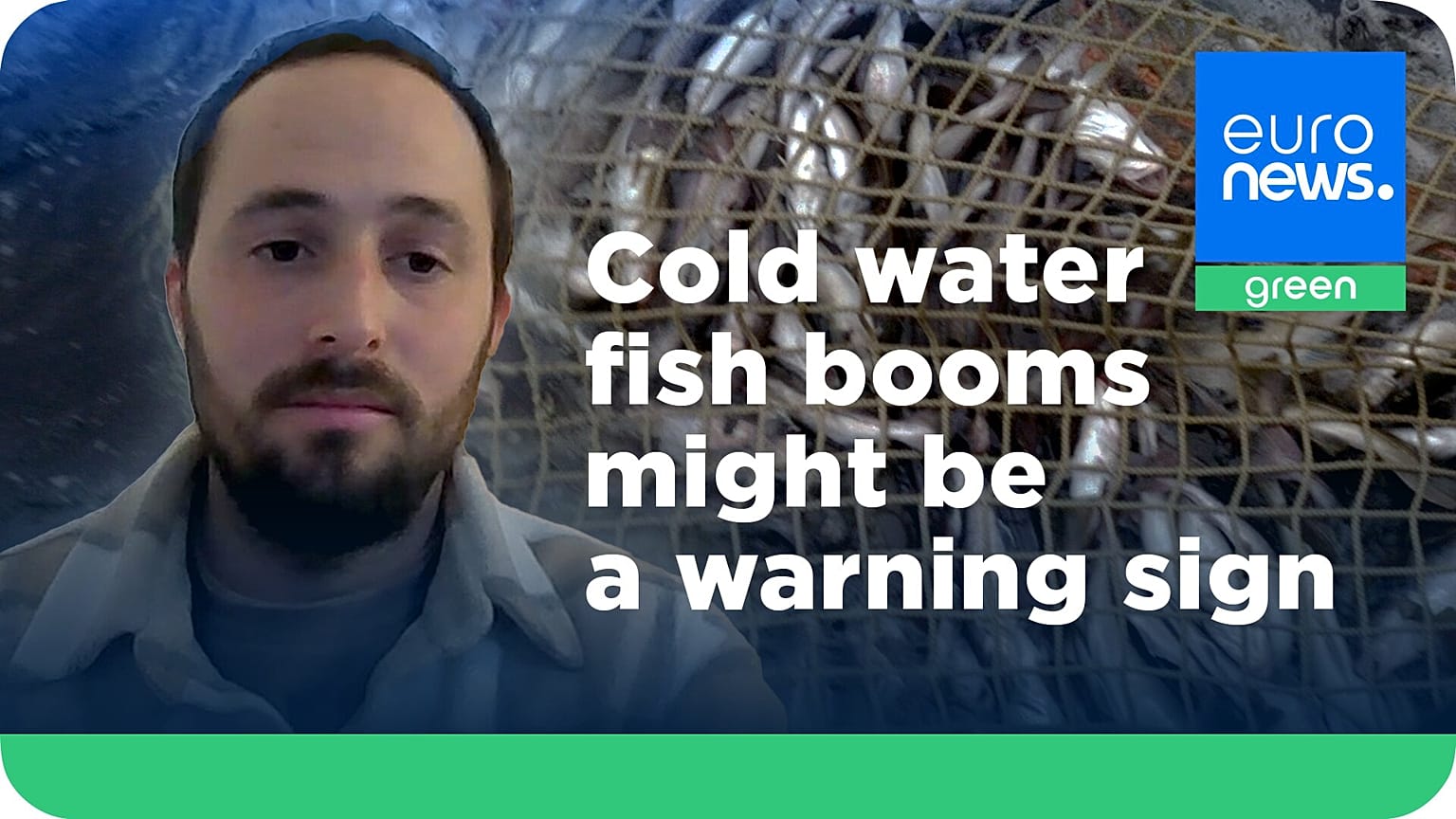














Researchers warn against falling for 'fool's gold' of rising fish numbers spurred by marine heatwaves.
Booming fish stocks in colder waters are a warning sign, not good news, scientists say.
 ADVERTISEMENT
ADVERTISEMENT
ADVERTISEMENT
Climate change is hitting fish populations harder than we previously realised - and a deceptive natural phenomenon may be hiding the true scale of the problem.
A major new study looked at nearly 34,000 fish populations across the Northern Hemisphere over almost three decades. The findings are striking: for every 0.1°C of ocean warming sustained over a decade, fish numbers fall on average by more than 7 per cent. In some instances, that loss can reach nearly 20 per cent in a single year.
“The long term is bad news for fish,” says lead author Dr Shahar Chaikin, a marine ecologist at Spain's National Museum of Natural Sciences. The study, based on data from scientific bottom‑trawl surveys around the world, was published in the journal Nature Ecology and Evolution.
Marine heatwaves create ‘winners and losers’
The researchers identified two distinct aspects of ocean warming that are often confused. The first is the slow, steady rise in temperatures over decades. The second is the sudden, intense marine heatwaves that have become more frequent and more severe.
Both are harmful - but in different ways.
Gradual long-term warming is a universal threat. No matter where a fish population lives - in warm tropical seas or cold northern waters - sustained rising temperatures cause fish numbers to fall.
Marine heatwaves are a more complicated factor. These short bursts of extreme heat create temporary winners and losers, depending on where a population lives within the range of its species.
Take the European sprat - the small silvery fish found in supermarkets across the continent. When a heatwave hits the Mediterranean, where the sprat is already living near the warmest conditions it can tolerate, fish numbers drop sharply. But the same heatwave striking a sprat population off Norway can cause numbers to jump - the sudden warmth briefly turning a cold, difficult environment into an inviting one.
Fishers should be wary of 'fool's gold'
This creates a dangerous illusion. Seeing fish stocks boom in colder northern regions during warm years, fisheries managers might conclude that all is well - perhaps even that fishing quotas could be raised. The study warns clearly against this.
“These gains are transient,” says Dr Chaikin. “They are temporal.” The short-term boom is not a sign that the population is healthy. The researchers call it “fool's gold”: a tempting surface that masks a deeper decline.
If managers set higher quotas based on these temporary surges, they risk pushing already-stressed populations into collapse once temperatures normalise - or continue to rise.
Over the long term, the researchers found, there are no lasting winners. Whether a fish population lives in warm or cold waters, continued ocean warming is expected to reduce numbers everywhere. The temporary boost enjoyed by northern populations will not last.
What looks like good news for fish in colder waters today is unlikely to stay that way. Basing policy on those fleeting gains, the study warns, risks making the eventual collapse far worse.