
















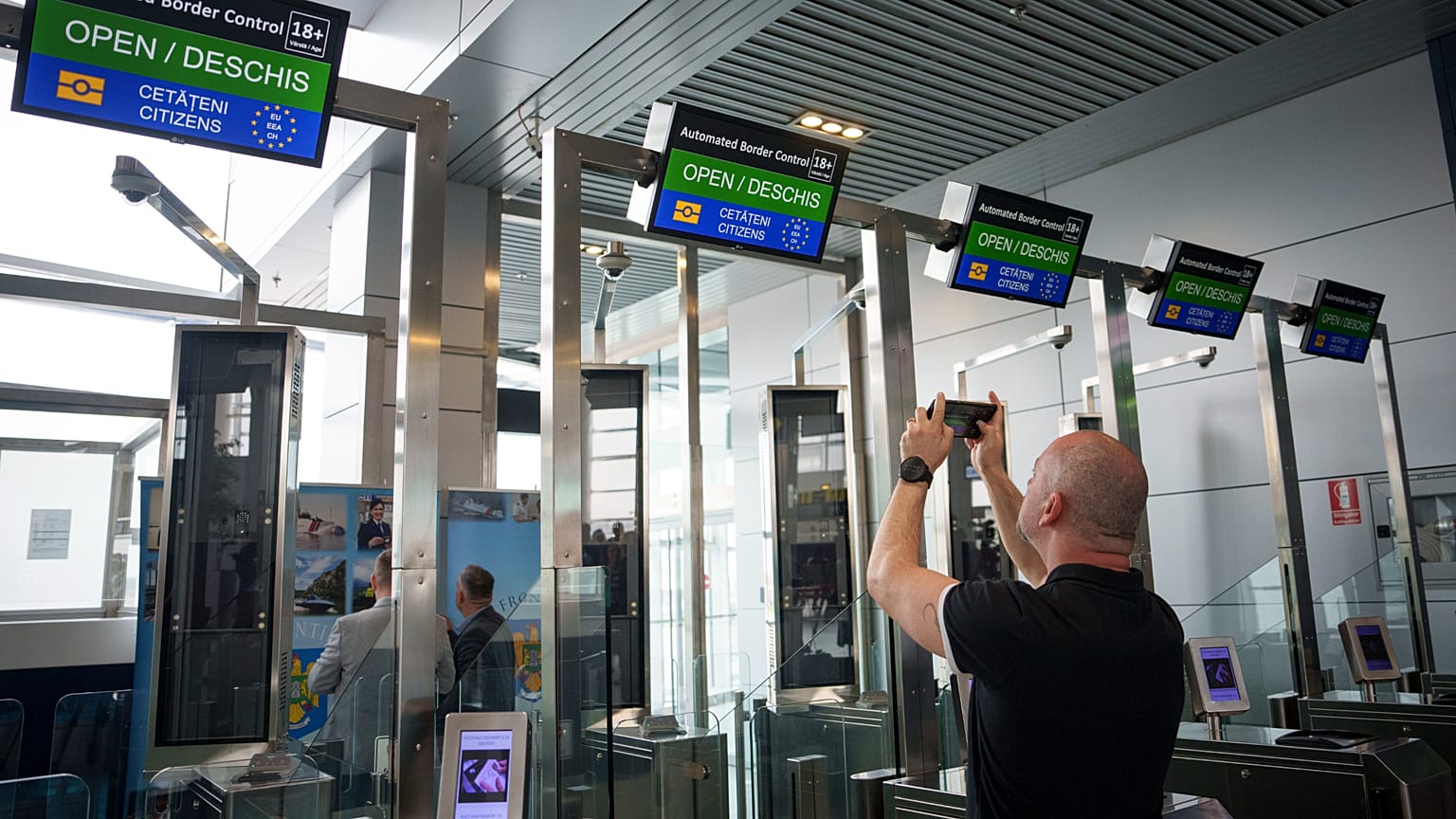













With the arrival of the high season and the implementation of the new EES (Entry/Exit System) still causing some delays at borders, the European Union has launched an application that allows you to pre-register your data up to 72 hours before travelling.
The long queues at Lisbon airport's border control may be about to diminish. At least, that's the aim of the new European mobile application, "Travel to Europe".
 ADVERTISEMENT
ADVERTISEMENT
ADVERTISEMENT
This new app allows travellers from third countries to pre-register their travel information before arriving at border control.
Through the app, travellers can enter their personal and travel details, as well as answer a short questionnaire on entry conditions. This process is available up to 72 hours in advance.
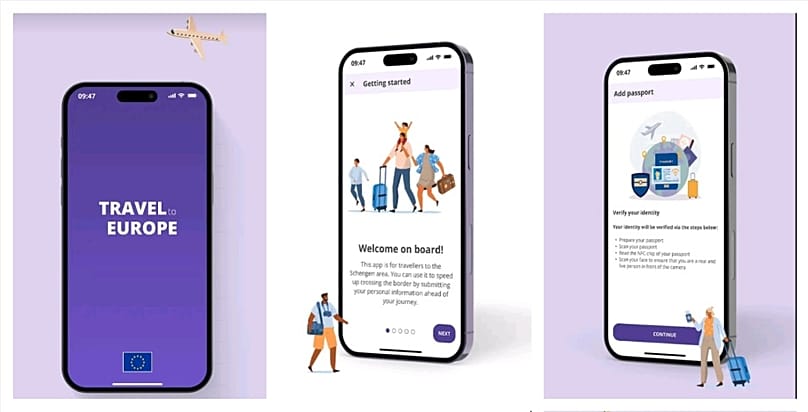
The Entry/Exit System (EES), which has been in place since October, has faced difficulties related to delays in data processing. The new application has therefore emerged as a solution to speed up procedures, allowing part of the information to be submitted in advance by travellers.
Although optional, the use of the application does not exempt travellers from having to go through border control and its main objective is to reduce the time it takes to carry out in-person checks.
Initially, the system will only be available at Lisbon airport, and should be progressively extended to other airports in the coming weeks.
Lisbon airport with 'serious deficiencies'
The European Commission carried out an unannounced assessment of Lisbon airport between 15 and 17 December and concluded that there are "serious deficiencies" in border security control.
The warnings from the Brussels experts led the government to adopt urgent measures, including the immediate suspension of the European Entry/Exit System (EES) for three months.
The lack of control at the airport had been pointed out by both the government and the police unions in an interview with Euronews.
In January this year, Lisbon airport was reinforced with 24 soldiers from the National Republican Guard, a measure approved by the government to reduce waiting times in the arrivals area.
However, the scenario was not exclusive to Portugal and was replicated in other European Union (EU) countries after the gradual implementation of the EES, with queues and waits reaching 3 am.