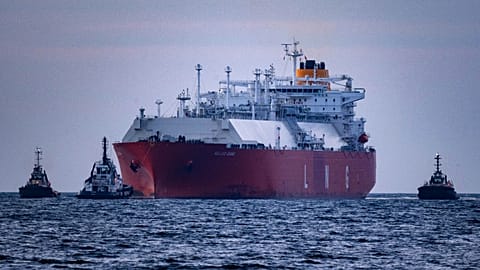
















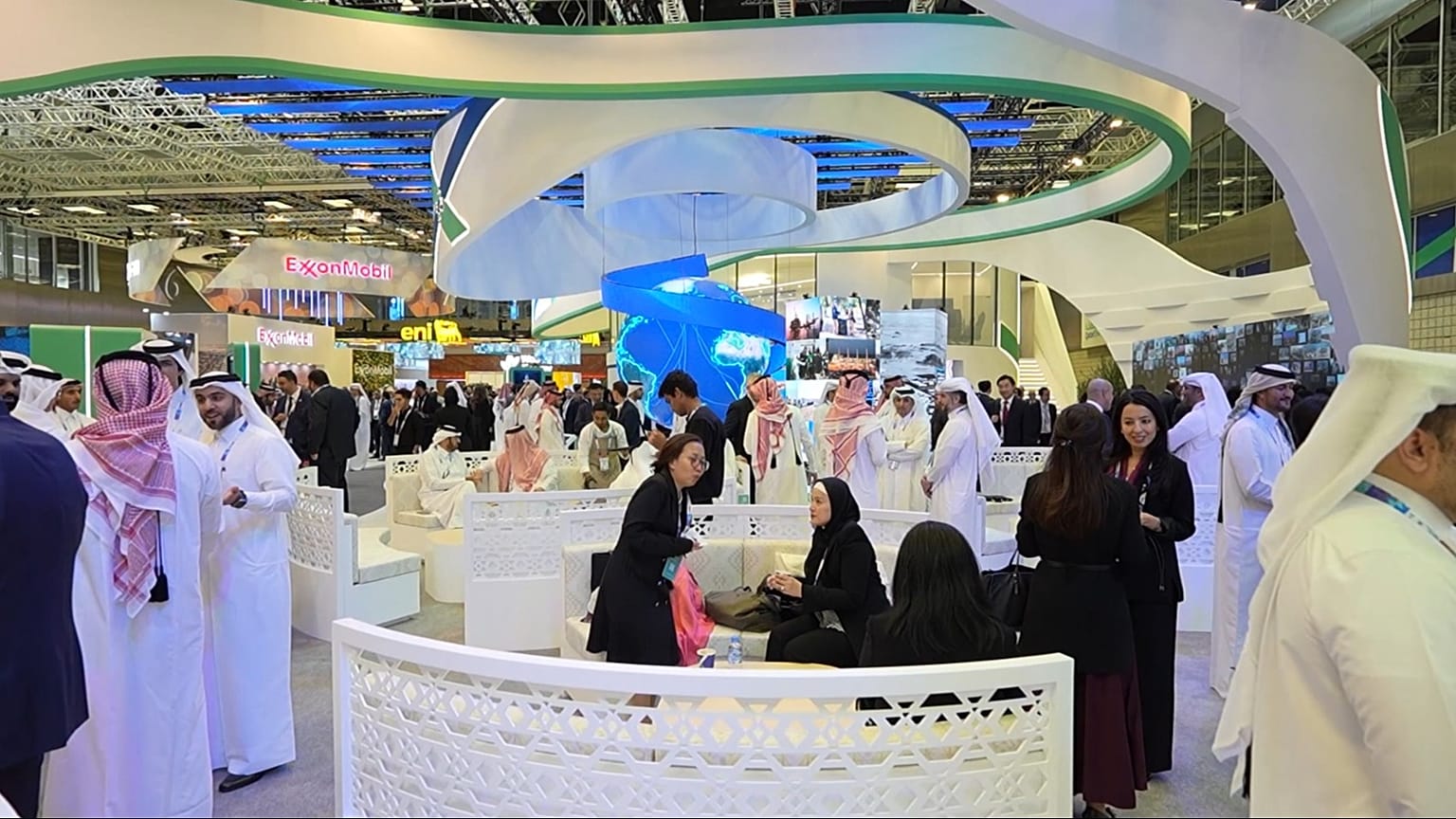














The 21st edition of the International Conference and Exhibition on Liquified Natural Gas, or LNG2026, kicked off in Doha, Qatar, gathering global leaders, energy giants and experts with geopolitics, market dynamics, emerging technologies and the energy transition dominating discussions.
LNG2026 opened with a tribute to Qatar’s maritime heritage, the discovery of oil in 1940, and how it fuelled the rapid development of the Gulf state. Today, Qatar has become one of the world’s leading LNG exporters, alongside the US and Australia.
 ADVERTISEMENT
ADVERTISEMENT
ADVERTISEMENT
Presented by the International Gas Union, the LNG series has become a marquee event for the sector for nearly 60 years, and the Qatar edition marks a pivotal moment for the country.
In his opening speech, QatarEnergy CEO and Qatari Energy Minister Saad Sherida Al Kaabi emphasised the country’s role in the international market.
“It is a pleasure that the conference takes place at a time when Qatar stands out as a major energy power, particularly in the LNG sector, and through its growing role in supplying global energy markets,” he said.
With more projects like the North Field Expansion set to be completed in the next few years, Al Kaabi said the country’s output will be boosted from 77 to 120 million tonnes annually, accounting for 40% of the world’s LNG supply.
Joining the QatarEnergy CEO in a historic panel session were the top executives of four other energy giants, including TotalEnergies CEO Patrick Pouyanne, Shell CEO Wael Sawan, ExxonMobil CEO Darren Woods and ConocoPhillips CEO Ryan Lance.
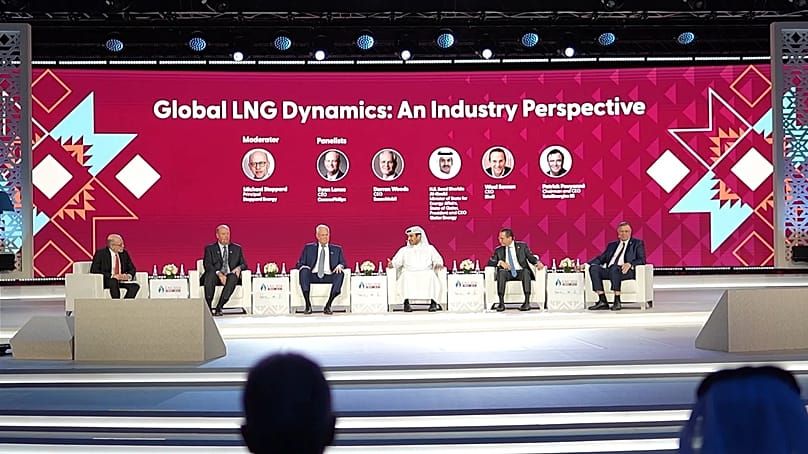
All five CEOs put on a united front about the importance of LNG and investing in the supply chain which supports the development of communities and populations restricted by energy poverty.
Sawan said, “The more we can bring LNG into the market, it creates stability. People want to know that if they're investing in infrastructure for the long term, that they will be able to rely on diverse supply sources of LNG at affordable prices. We also believe that the demand will continue to grow for LNG. By 2040, we're going to be somewhere in the range of around 650 to 700 million pounds. Today, we're still at 450 million pounds, so there's still quite a way to go.”
For years, the oil and gas industry has had to face criticism over its substantial contribution to global emissions.
More recently, the European Union’s decision to impose a new rule which requires corporate giants to track their supply chains over their impact on human rights and environmental risks has brought regulation into the spotlight.
The Corporate Sustainability Due Diligence Directive - or CSDDD - has been the cause of friction between Qatar and the EU, which is a big importer of LNG from the GCC state.
While the EU has signalled it is rolling back on some aspects of the directive, Al Kaabi and his counterparts have once again urged policymakers to make realistic decisions according to the needs of the consumers.
Adding his thoughts on the matter, Sawan said, “I think the problem is we are not fully appreciating the fundamental role that energy plays in society. But the biggest thing I think policy makers can do is to allow the arteries of energy flow to happen. I think regulations are absolutely critical. But what we need to make sure is that we do not put excessive regulations in place, nor conflicting regulations.”
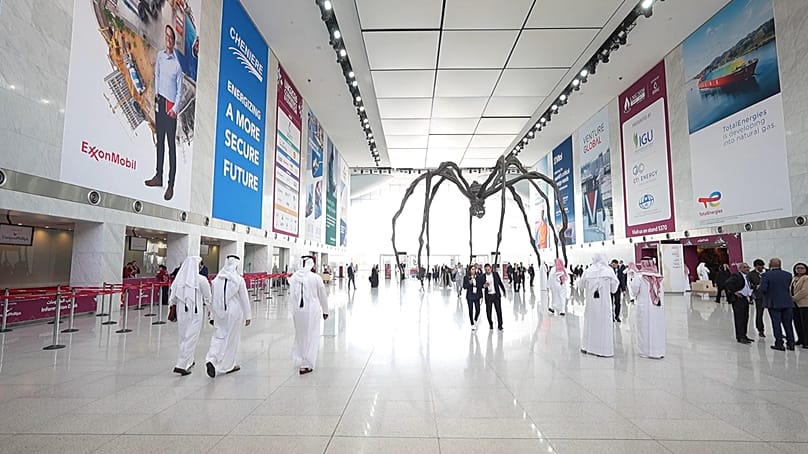
Pouyanne added: “In the energy industry, there is a capacity to continue to work on innovation. We have different ways, ourselves, to contribute to the sustainability of our industry, gas and energy. In the end, we are the players and we can do it.”
As the owner of the LNG series, the International Gas Union places advocacy and transparency at the core of what the organisation does.
Speaking to Euronews, IGU Secretary General Menelaos (Mel) Ydreos said, “Our role is to advocate for the gas industry as a whole, including LNG, including low-carbon gases. We do that through a series of reports that we publish annually. We try to present factual information about the role of gas in the evolving energy platform.”
So, how can policymakers and business owners bridge the gap?
IGU’s Ydreos believes it’s through shared commitment: “Dialogue, partnership, understanding, and continuing to reduce the environmental footprint of the industry. We need to reduce emissions. Everybody's aware of that. The more we can focus on reducing our own footprint, the better it is for policymakers.”
Another big topic of discussion at LNG2026 is the growth of North America’s gas market. The US is the world’s leading LNG exporter, accounting for nearly 25% of global supply.
Despite setbacks in project approvals and cost pressures, a silver lining can be found in the resiliency of US supply chains, which according to Charlie Riedl, Executive Director of the Centre For LNG says, has proven its strength over the years.
“We went from zero cargo 10 years ago to now the largest exporter in the world. So, from a resiliency standpoint, I don't question our ability to continue to deliver LNG. I think we're in a good place there. We're a reliable trade partner. We show up and the gas is there when it's supposed to be there. I think that that really sort of underscores why the rest of the world is so interested in buying US LNG,” Riedl explains to Euronews.
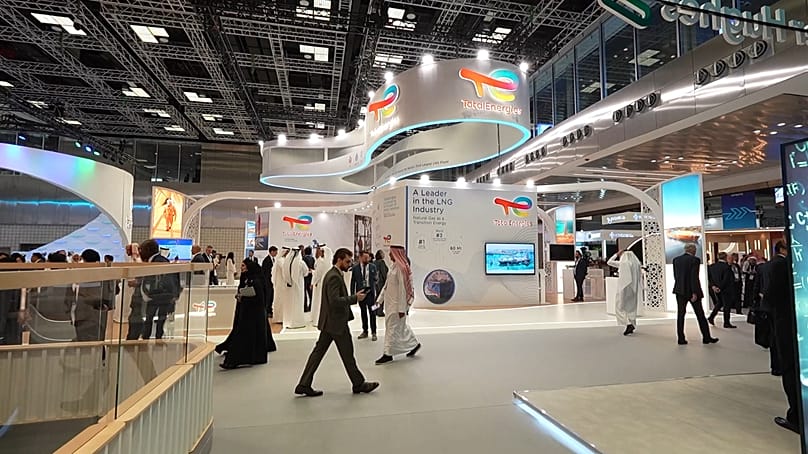
As artificial intelligence continues to challenge, transform and influence business decisions in many industries, how it will shape the future energy mix is bound to drive demand for LNG.
Juan Vazquez, Managing Director and Senior Partner, Qatar Office Lead at BCG, says that data centres and AI infrastructure will need an energy source that can only be met by LNG. As demand for AI systems grows, so will the need to find reliable resources to maintain the infrastructure.
But there are other ways AI will impact the industry, as Juan explains, “Beyond this, I think we need to consider AI, not only from a demand perspective of energies, but how the industry is going to start applying AI to its production to make it even more efficient.”