













Oscar-winning filmmaker Mstyslav Chernov, known for his documentary 20 Days in Mariupol, again presents the brutal face of Russia's full-scale invasion of Ukraine in his latest film, 2,000 Metres to Andriivka. It's also Ukraine's entry for the 2026 Best International Film at the Academy Awards.
At the start of his latest documentary, 2,000 Metres to Andriivka, Ukrainian director and filmmaker Mstyslav Chernov says the scenes feel as if they're from another planet.
 ADVERTISEMENT
ADVERTISEMENT
ADVERTISEMENT
"It's not another planet," Chernov adds. "It's the middle of Europe."
The documentary is Ukraine's entry for the 2026 Best International Film at the Academy Awards.
The film follows Ukraine's counter-offensive, which began in June 2023 and lasted around six months. Ukrainian troops were trying to retake villages and territory, particularly in the Donetsk and Zaporizhzhia regions – among them Andriivka, near the fiercely contested and now devastated city of Bakhmut.
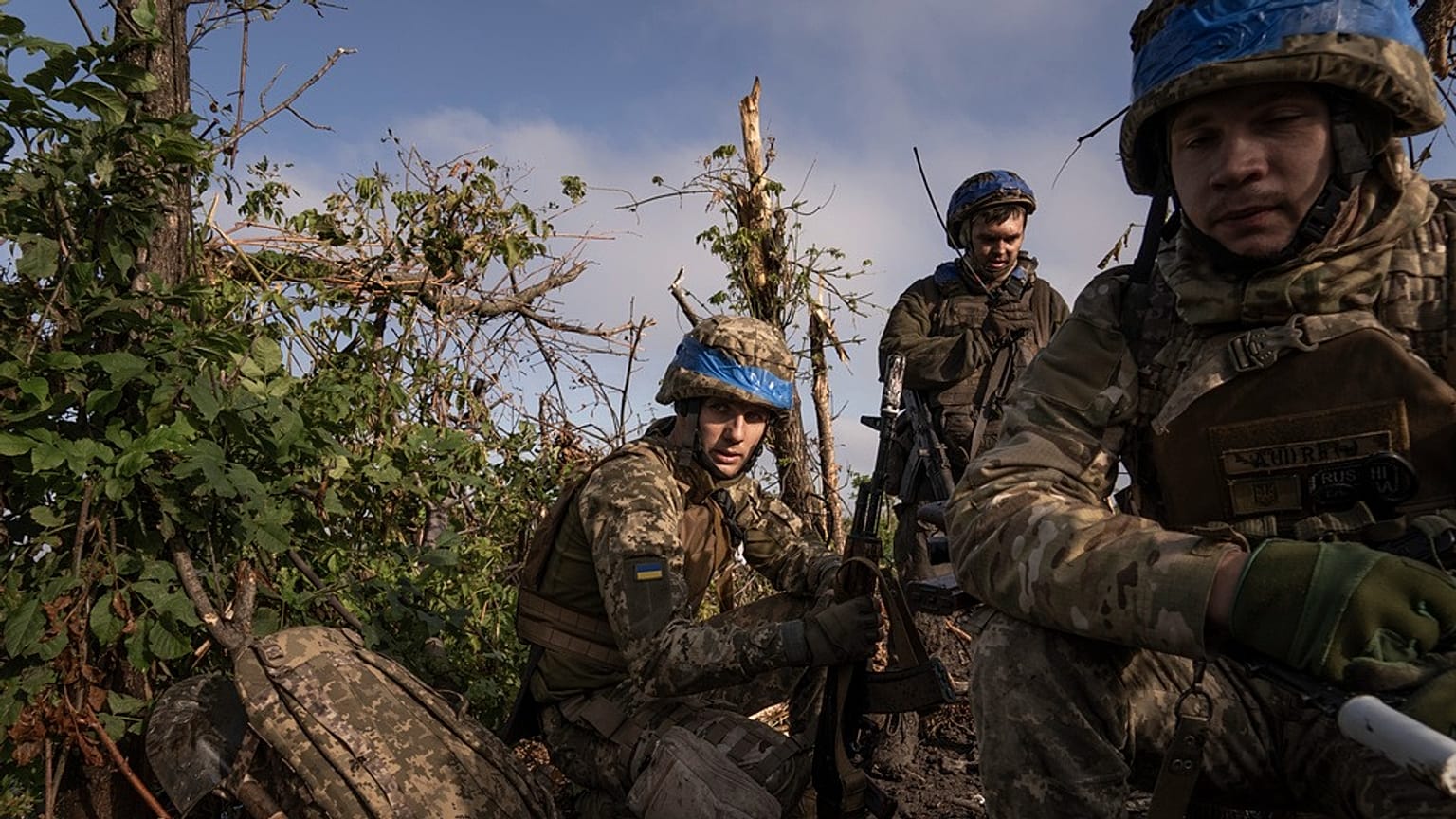
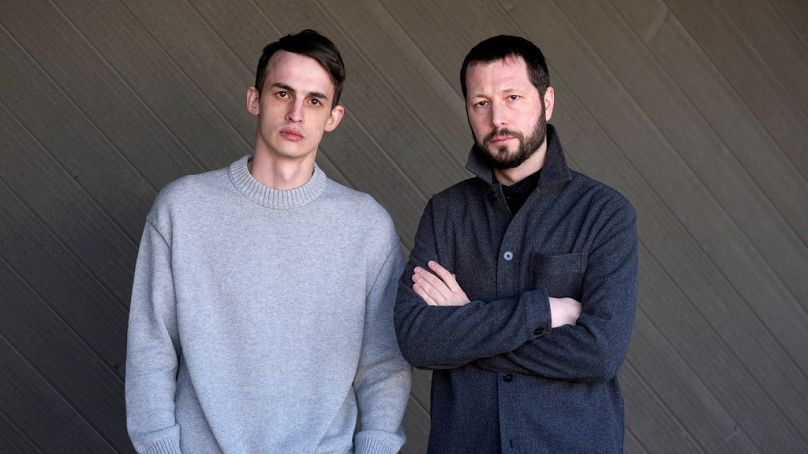
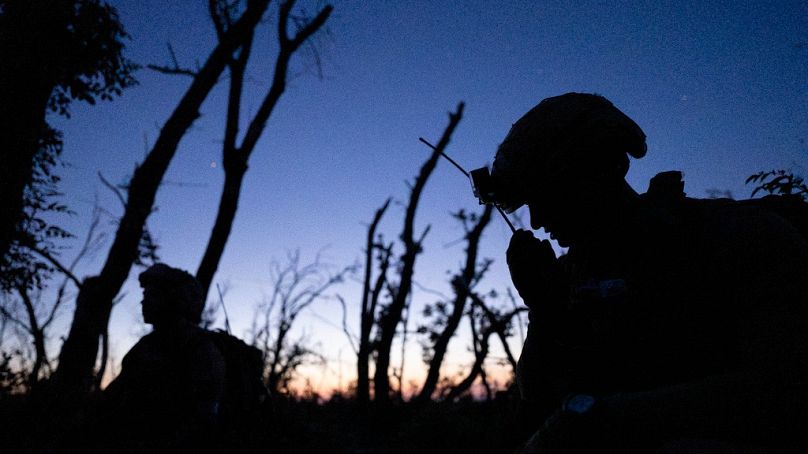
Chernov and his colleague Oleksandr Babenko embedded with a platoon from the Third Assault Brigade, combining the soldiers' helmet-cam footage with their own on-the-ground reporting.
The platoon's mission was to liberate the almost completely destroyed village of Andriivka – a task that meant advancing some 2,000 metres through a fortified forest riddled with mines.
'Gagarin'
The film captures the Ukrainian forces' advance – and the heavy price paid for every single metre gained. Viewers get to know the soldiers and see the brutal face of war through their eyes.
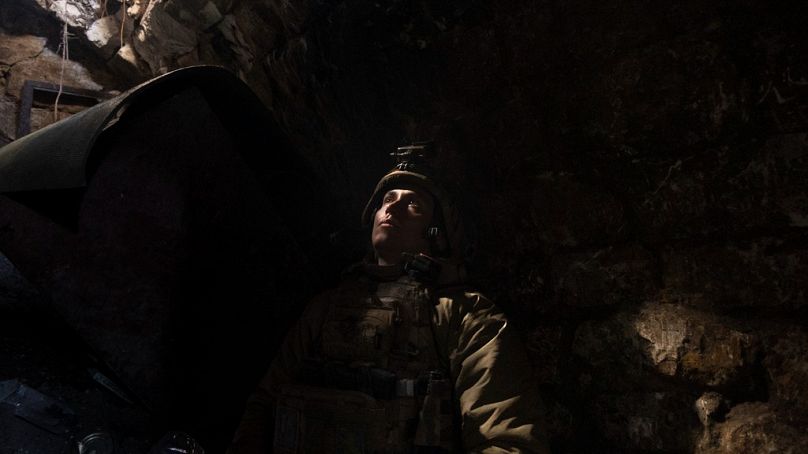
One assault is shown through the experience of a young soldier with the call sign "Gagarin". Over the radio, you can hear the men updating each other on their position. Gunfire, shouts and explosions make the bloody cost of the platoon's assault against the Russians painfully tangible.
After a few minutes with Gagarin, the screen fades to black and cuts to one of his comrades behind him, shaking the young soldier and urging him to move. But Gagarin no longer responds – he's been killed by Russian fire.
At his funeral in western Ukraine, the entire village turns out. People kneel along the roadside to pay their final respects to the fallen soldier. "Our heroes are killed," his mother said.
By late 2023, Gagarin's funeral was the 76th held in the small village in western Ukraine.
Chernov speaks with soldiers – young and old – who tell him about their lives before Russia's full-scale invasion, and why they chose to volunteer. One of them tells him: "If there's a war in your country, you shouldn’t refuse to serve."
Chernov himself acknowledges that Ukrainians face a choice – to defend their country with a weapon, or by other means. He himself chose a camera, to document the war.
Speaking in Berlin, he said the film also deals with the distance – both physical and emotional – between Europe and Ukraine. "You know, the Russians like to say on state TV that it would take a Russian tank just 24 hours to reach Berlin," Chernov said.
"I've seen many of those tanks already burnt out. Alongside the [symbol of support for Russia’s war against Ukraine] 'Z', they like to paint the words 'To Berlin'. It might take 24 hours – but only if Ukraine falls," he said.

As early as 2015, reports emerged that Russia had been marking its rockets, helicopters and other military equipment with the slogan "To Berlin". Alongside "For Stalin", the phrase harks back to the Second World War, when the Red Army under Joseph Stalin marched all the way to Berlin.
In the autumn of 2023, what remained of the village was finally liberated by the 3rd Assault Brigade. No civilians live there anymore – they were either killed by Russian forces or forced to flee.
Chernov and Babenko followed a platoon and its commander, Fedya, whose goal was to raise the Ukrainian flag over the liberated village.
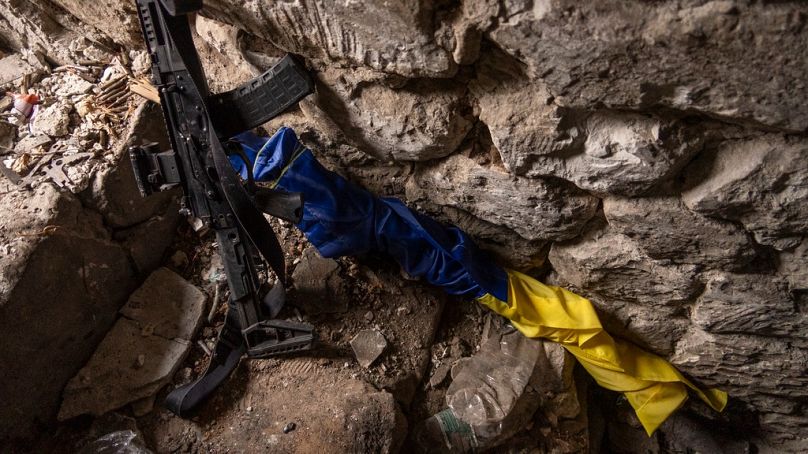
After the brutal fighting, they reached a cellar, where Fedya raised the Ukrainian flag over the ruins of a house.
According to the Ukrainian open-source mapping project DeepState, Andriivka has since been recaptured by Russian forces, despite the successes of Ukraine's counteroffensive.
The village, now nothing more than rubble and devoid of life, is again occupied by Russia.
Between duty and choice
The documentary by Oscar-winner Chernov, screened at the North Rhine-Westphalia Embassy in Berlin, serves as a "timestamp of distance."
It highlights not only the physical distance the Ukrainian soldiers must cover through the forest to liberate the village of Andriivka, which was completely destroyed by Russian forces, but also the psychological and geopolitical distance separating Ukraine from its European neighbours.
Hundreds of kilometres away, in Germany, there is ongoing debate over whether mandatory military service should be introduced to help defend the country. While a majority of young people support voluntary service, many are opposed.
In Ukraine, by contrast, at the start of the full-scale invasion, many have volunteered – often driven by a clear sense that defending their country is a duty when war is raging at home.
2,000 Metres to Andriivka is Ukraine's entry for the 2026 Best International Film at the Academy Awards. The final five nominees will be announced on Thursday 22 January.