

















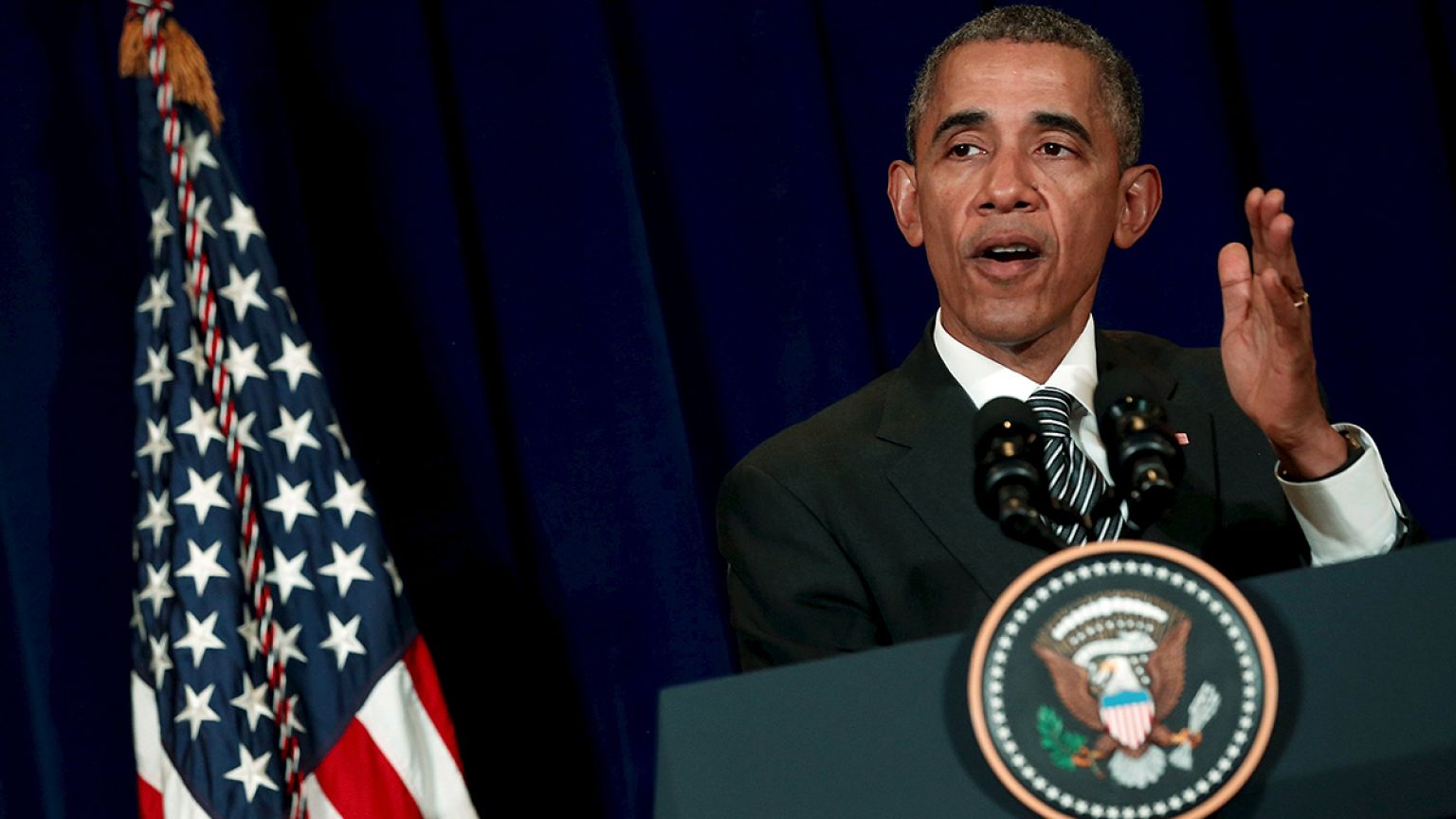














Heads of state gathering in Kuala Lumpur were treated to a gala dinner following a long day of meetings at the Association of Southeast Asian Nations
Heads of state gathering in Kuala Lumpur were treated to a gala dinner following a long day of meetings at the Association of Southeast Asian Nations (ASEAN) and East Asia summit.
 ADVERTISEMENT
ADVERTISEMENT
ADVERTISEMENT
Among the topics up for discussion on the first day of dialogue were combatting terrorism and the territorial disputes on the South China Sea.
Beijing insists it has undisputed sovereignty over most of the stretch of water – a claim that overlaps with four other countries attending the summit.
US President Barack Obama welcomed the work done to implement a code of conduct on the issue. However, he appealed to nations claiming land in the area to “halt reclamation, new construction and militarisation” for “the sake of regional stability.”
Also on the agenda was the Trans-Pacific Partnership Agreement – a “free trade” deal under negotiation between several of the countries involved in the summit, including the US.
While discussions were underway, around 150 protesters from 52 non-governmental organisations gathered in the capital to rally against Malaysia’s commitment to sign the accord.
Obama has committed to boosting economic growth and improving human rights. However, in Malaysia – a predominantly Muslim country – some fear the deal could in fact weaken the economy and the nation’s religious and judicial rule.