






























Emergency engineering work is under way as authorities brace for a further sharp drop in river levels before conditions are expected to improve later this week.
Water is being diverted into the Danube in Hungary and barges are being deliberately sunk in an effort to raise critically low river levels and prevent another shutdown at the country’s Paks Nuclear Power Plant.
 ADVERTISEMENT
ADVERTISEMENT
ADVERTISEMENT
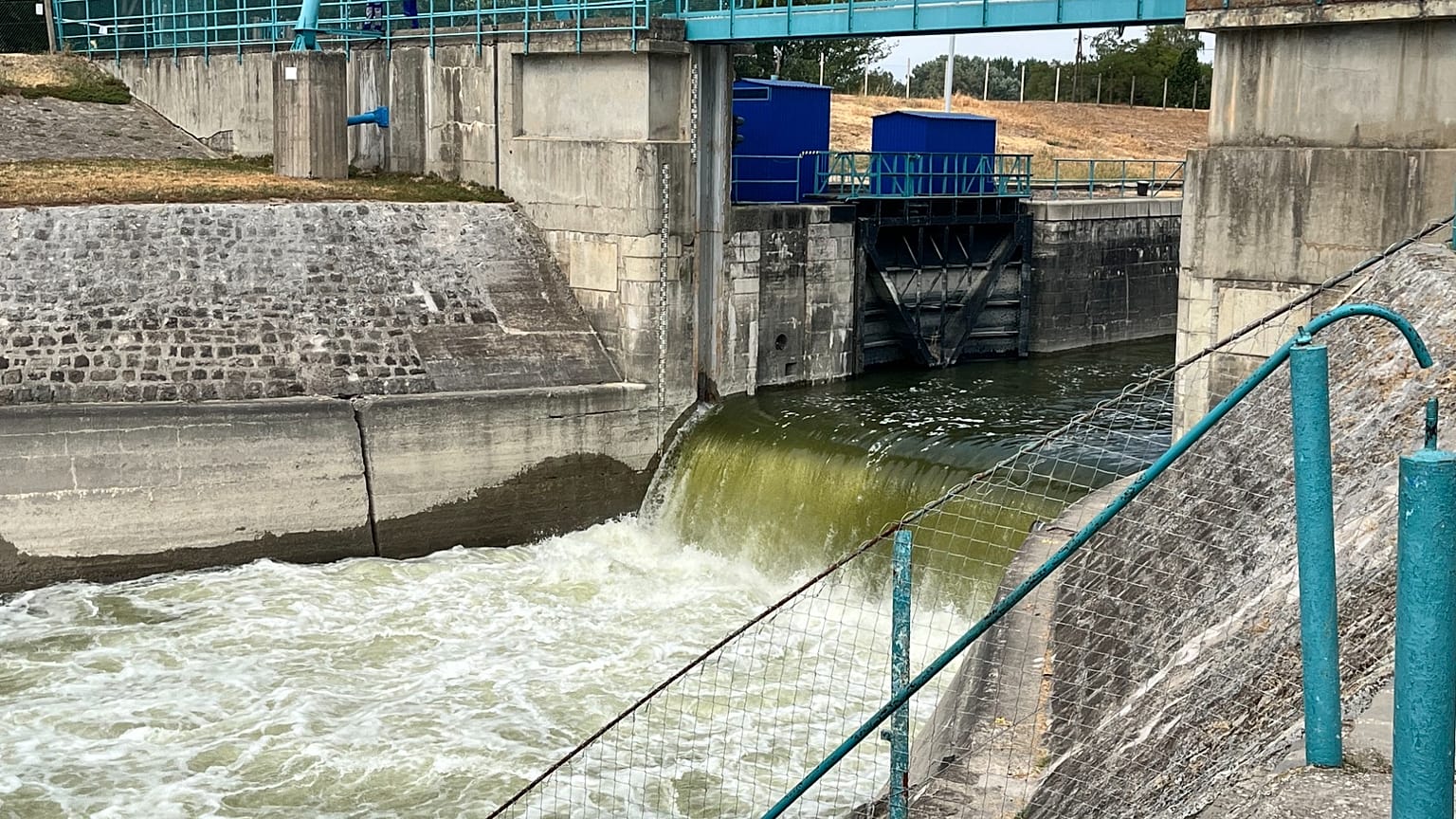
Since noon on Monday, an additional 20 cubic metres of water per second has been released into the main Danube from the Ráckeve-Soroksár branch at Dömsöd, around 50 kilometres south of Budapest. The measure has raised the river level by about two centimetres.
Further downstream at Paks, about 100 kilometres south of the Hungarian capital, two barges are also being prepared for controlled sinking. Water is being pumped into their hulls so that they settle on the riverbed, forming a temporary sill designed to raise the water level near the nuclear plant.
Officials hope the intervention will prevent another shutdown of the plant's penultimate operating turbine as the Danube continues to fall.
Work is also under way on a permanent sill across the river between the Paks plant and Dunaszentbenedek, a village on the opposite bank. The Hungarian government approved the emergency project last week following a site inspection and a unanimous recommendation from water management, energy and defence experts.
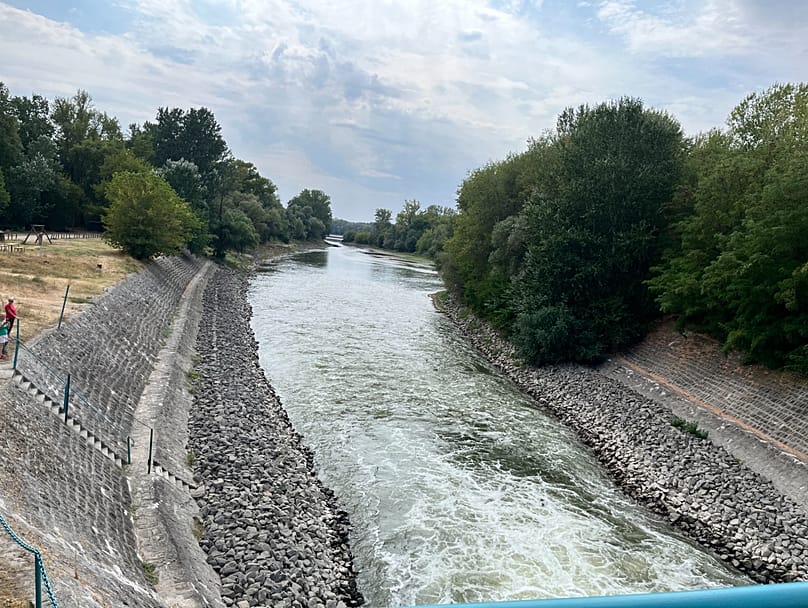
The structure will initially use 35,000 cubic metres of rock, with the amount later increasing to 110,000 cubic metres and the project is progressing at "breakneck speed" according to officials.
Tuesday and Wednesday are expected to be critical, with the Danube forecast to fall by a further 14 to 15 centimetres.
However, conditions could begin to improve from Thursday, when rainfall in the Danube's Austrian catchment area is expected to start pushing river levels higher.