




























Enhanced geothermal systems could wean the EU off fossil fuels, even in countries without volcanic activity.
New technologies are unlocking geothermal electricity across much wider parts of Europe, and it could help to reduce the EU’s reliance on polluting fossil fuels.
 ADVERTISEMENT
ADVERTISEMENT
ADVERTISEMENT
A new report by energy think tank Ember found that 43GW of enhanced geothermal capacity in the EU could be developed for below €100/MWh, which is comparable in cost to coal and gas electricity.
While this only represents a fraction of Europe’s total geothermal potential, researchers identified that EU-level deployment could deliver around 301 TWh of electricity every year. This is equivalent to almost half (42 per cent) of coal- and gas-fired generation in the EU in 2025.
The report states that globally, geothermal could meet up to 15 per cent of growth in electricity demand by 2050 – but warns that the EU risks losing its leadership on the renewable energy source if deployment remains “slow and uneven”.
Which EU countries have the biggest geothermal potential?
Researchers say that advances in drilling and reservoir engineering are paving the way for enhanced geothermal systems (EGS) to deliver scalable and clean power across much of the continent.
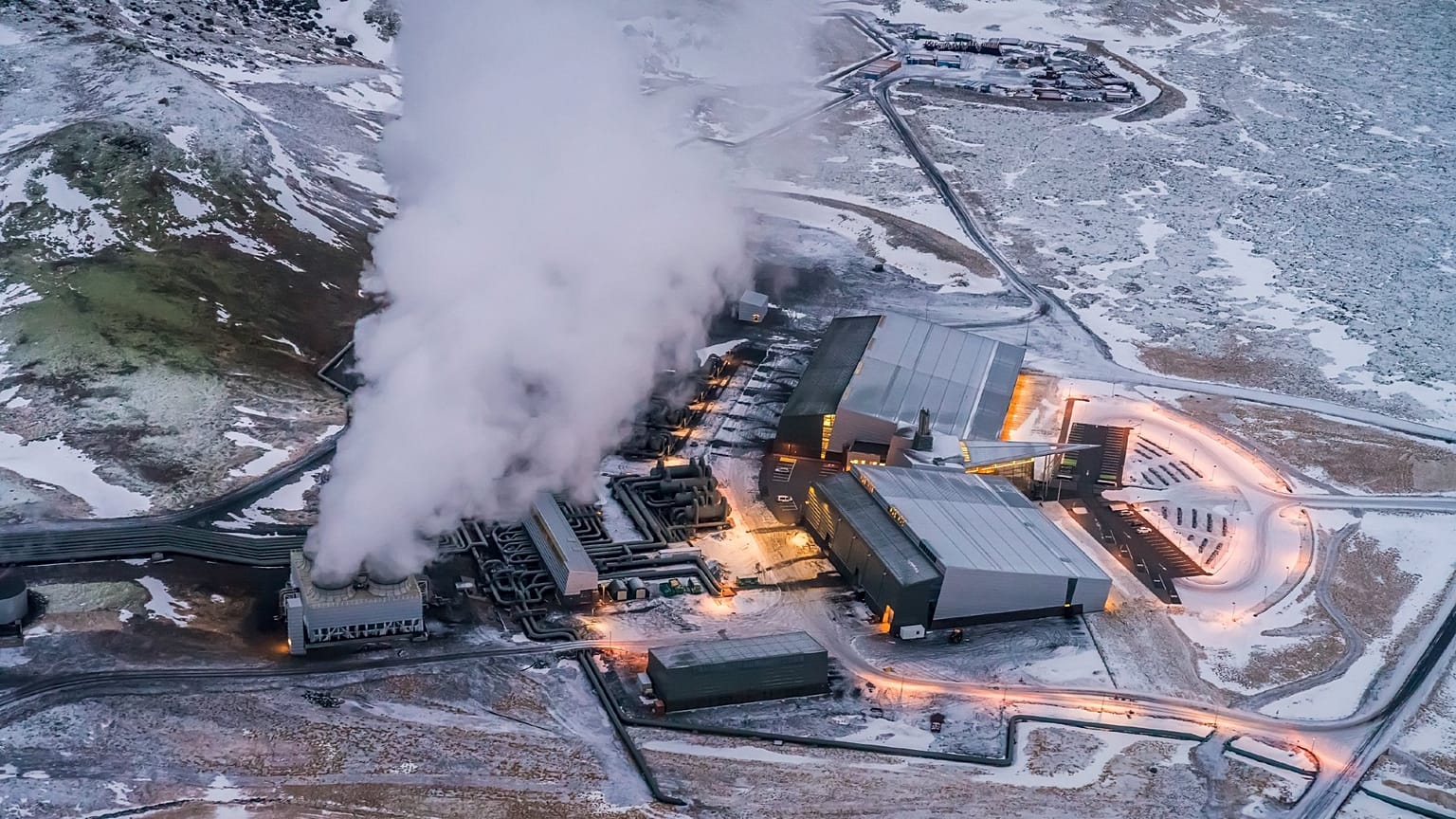
Unlike conventional geothermal plants that are limited to volcanic and tectonic-plate-boundary regions (such as Iceland), EGS involves drilling up to eight kilometres deep into hot, solid rock, injecting fluid into the cracks, then pumping the heated fluid back up to generate electricity.
This modern technology allows geothermal electricity to be produced at competitive costs, even outside traditionally high-temperature zones.
Ember states the “techno-economic potential” for geothermal power in continental Europe could reach around 50GW – enough to power around 30 homes.
Under this threshold, Hungary accounts for the largest share – with around 28GW of untapped geothermal energy. This is followed by Türkiye (6GW), while Poland, Germany and France have around 4GW each.
“Not only can geothermal power capacity be developed at low prices, but as a technology with no fuel costs, it brings the additional benefit of being insulated from fuel price volatility and exposure to rising carbon costs, strengthening its role as a stable source of firm, low-carbon electricity over time,” the report states.
‘New depths’ to Europe’s energy transition
Tatiana Mindekova, a policy advisor at Ember, argues modern geothermal is “pushing the energy transition to new depths”, opening up clean power resources that were long considered “out of reach and too expensive”.
“But today, geothermal electricity can be cheaper than gas,” she says. “It’s also cleaner and reduces Europe’s reliance on fossil imports.”
Mindekova adds that the challenge for Europe is no longer whether the resources for geothermal energy exist, but whether “technical progress is matched by policies that enable scale and reduce early-stage risk”.
Is the EU falling behind on geothermal power?
While EGS projects were launched in countries such as France, Germany and Switzerland back in the 2000s, experts warn that lengthy permitting processes and “inconsistent national support” have slowed commercial deployment.
In contrast, projects in the US and Canada are scaling up many of the methods first tested in Europe. Now, North America’s planned geothermal pipeline is set to outpace Europe’s.
“Delayed deployment also risks shifting learning effects, supply-chain development and cost reductions to other regions, increasing future costs for European projects even where resources are available,” the report states.
“Without a stronger focus on market-scale financing, Europe may miss the economic and industrial benefits of technologies it helped pioneer.”