















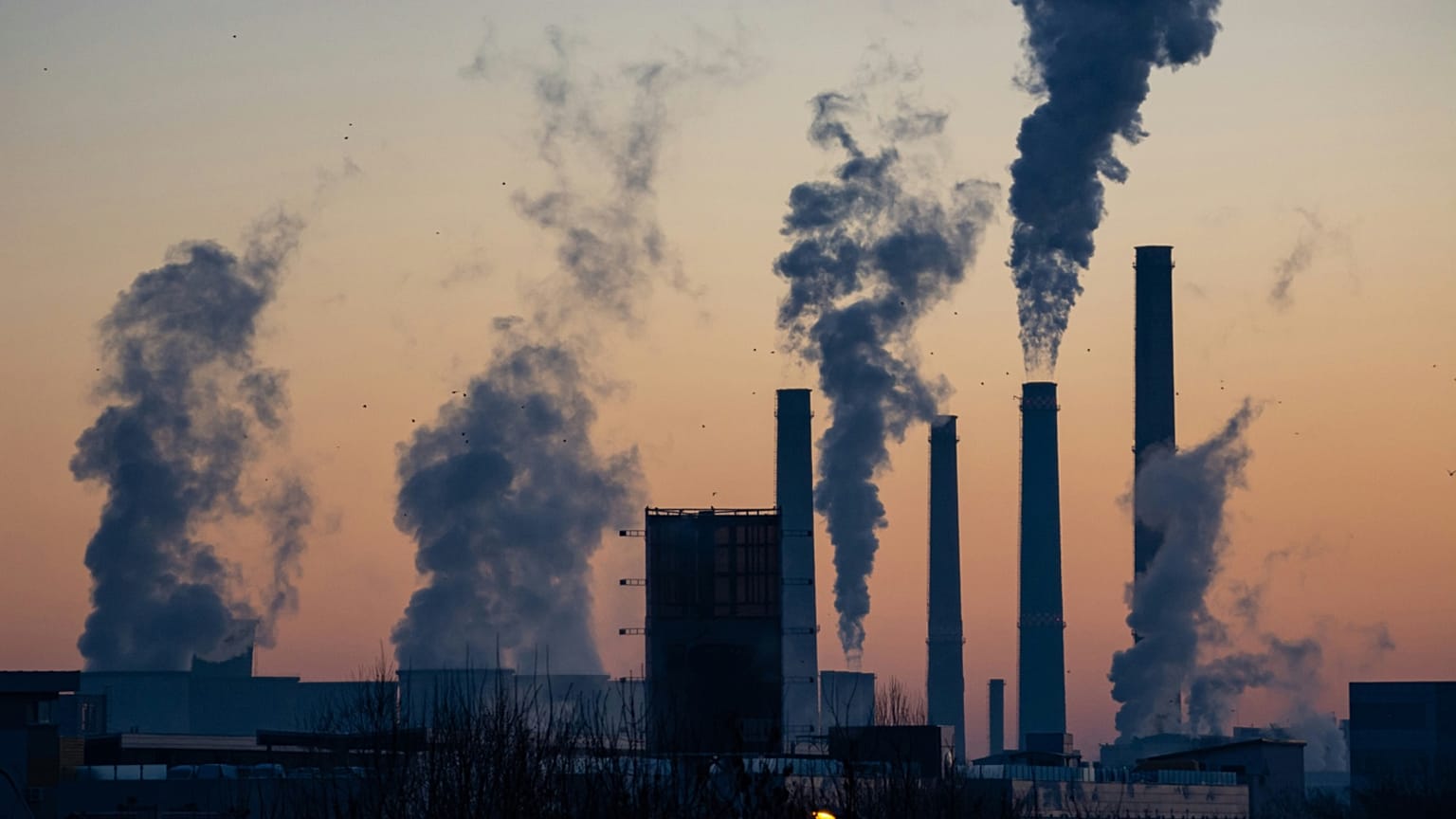













A global change in direction is necessary to help secure a healthy planet, according to a new UN report.
An “interlinked, whole-of-society and whole-of-government” approach to reshape the economy and environment remains our only choice amid the escalating threat of climate change.
That's the warning inside the United Nations Environment Programme’s (UNEP) Global Environment Outlook 7report ‘A future we choose’, which calls for a global change in direction to help secure a healthy planet and “prosperity for all”.
Produced by 287 scientists from 82 countries, the report details the devastating impacts climate change will unleash unless nations rally together to transform systems such as energy and food.
UN calls for a global shift in climate action
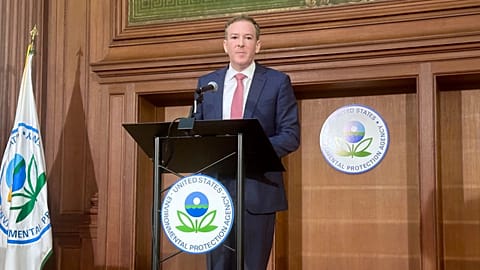
“If we choose to stay on the current path – powering our economies with fossil fuels, extracting virgin resources, destroying nature, polluting the environment – the damages would stack up,” says UNEP’s Executive Director Inger Andersen.
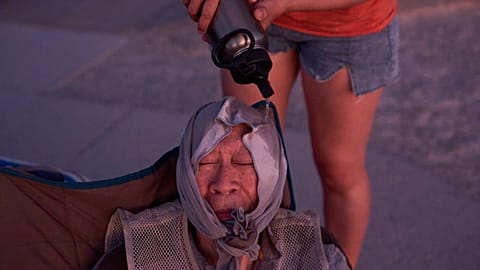
The report warns that climate change would cut four per cent of annual global GDP by 2050, claim the lives of millions and spike forced migration.
Unless the “interconnected crisis of climate change” is addressed, Amazon rainforest dieback and ice-sheet collapse would also become a near reality, while food availability would fall and hundreds of millions more hectares of natural lands would be lost.
However, with appropriate levels of investment, around nine million premature deaths by 2050 could be avoided, with the majority attributed to decreased air pollution.
An estimated 200 million people would also be lifted out of extreme poverty, while 300 million people will have access to safely managed water sources.
The report adds that while this will involve significant up-front costs, the global macroeconomic benefits of this path will start to appear in 2050, and grow to $20 trillion (approximately €17.19 trillion) per year by 2070.
How can the world invest in climate action?
“This new journey begins with moving beyond GDP as a measure of economic well-being,” Andersen says.
Scientists argue that inclusive indicators that also track the health of human and natural capital are much more effective when it comes to directing economic and business decisions.
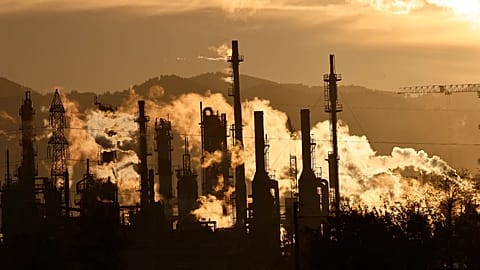
They have also called for a transition to circular economy models that “reduce material footprints” as well as a rapid decarbonisation of the energy system. This would require a transition away from fossil fuels, the largest contributor to greenhouse gases, which would prove no easy feat.
Earlier this year, so-called petrostates blocked a roadmap tofossil fuel phaseout being included in COP30’s final deal, meaning the path to a greener energy future now lies outside of the UN’s remit.
Shifting towards sustainable diets, reducing waste, improving agricultural practices and expanding protected areas while restoring degraded ecosystems were also identified as key drivers for change.
“Change is always difficult, more so when it is on such a massive scale,” Andersen says. “But change we must. There are two futures ahead of humanity. Let us choose the right one.”