More news
Next Series
Screening, research and treatment: the EU's mission to beat cancer
In partnership with The European Commission
Cancer deaths in the European Union are currently at an annual level of 1,400,000. Horizon Europe's Cancer Mission is aiming to save three million lives in the next decade. Futuris investigates the network of teams across the Europe working to make this happen.
Next Series
Preventing food fraud: Europe's battle against fake spices
In partnership with The European Commission
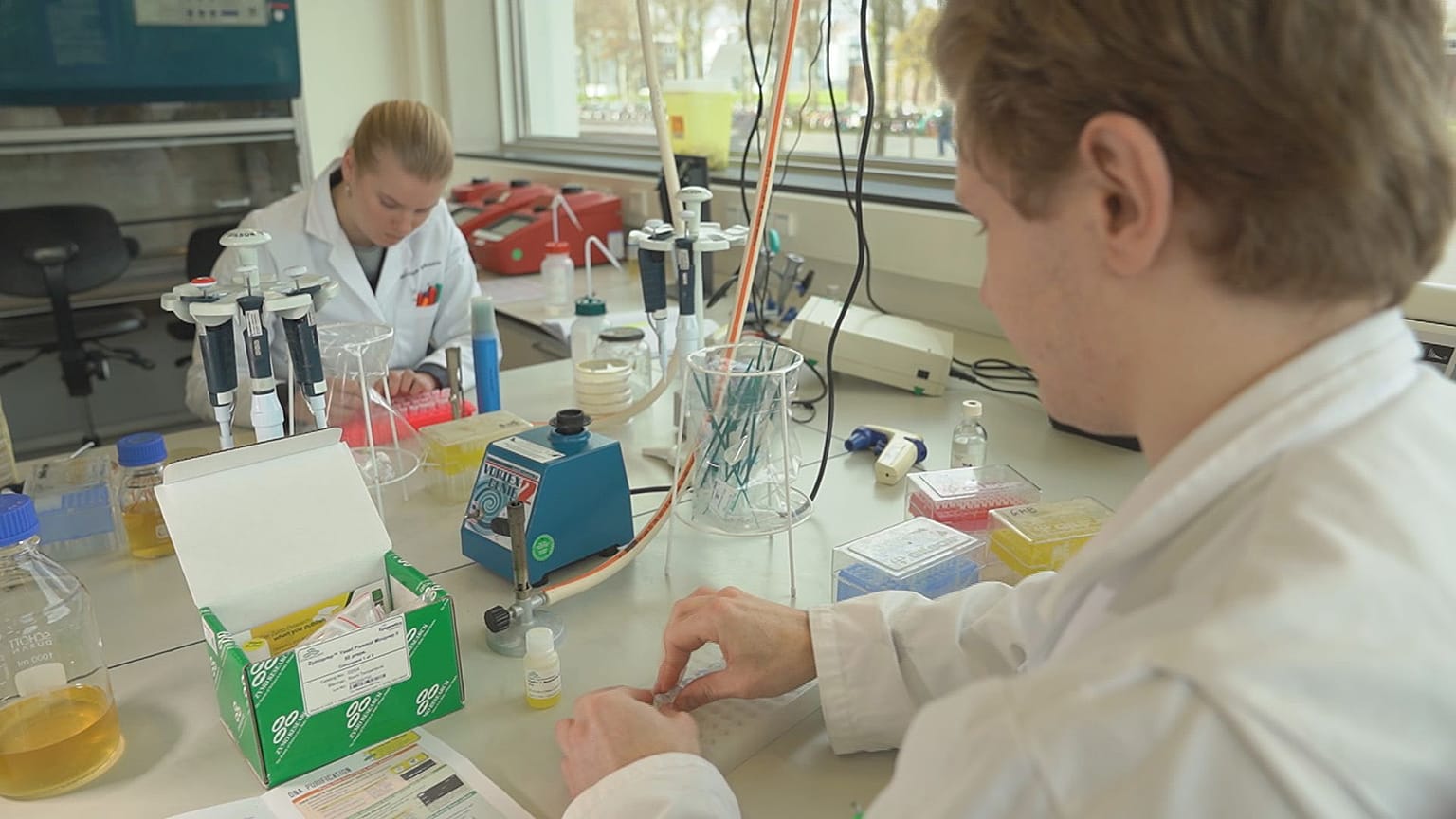
Food fraud is a serious issue, including in the spice industry; with ingredients like saffron worth their weight in gold - literally - counterfeit spices needed to be guarded against. Furutis visits the lab in the Netherlands doing just that as part of an EU project.
Next Series
Nestore, the new personal coach to keep you fit in mind, body and soul
In partnership with The European Commission
The new Nestore system aims to monitor multiple aspects of the user’s lifestyle as well as medical data, and then make personalised suggestions based on the collected information.
Next Series
REFRESH - the EU project to drastically reduce food waste
In partnership with The European Commission
A fifth of all food produced in Europe ends up being wasted. We look into the major strides being taken towards creating a joined-up food production system that will help drastically reduce food waste.
Next Series
The BARBARA Project - transforming food by-products into raw materials
In partnership with The European Commission
Can food waste by-products be re-used to produce car parts and other industrial items, purposes unimaginable just a few years ago? The EU-supported BARBARA Project has made some big steps forward in that direction. Futuris visits Spain to find out more.
Next Series
On a mission to save our soils - the EU's plan to rebuild the land
In partnership with The European Commission
Rebuilding the degraded soils of Europe is one of the EU's missions within the new Horizon Europe framework, about to be launched. Euronews' Claudio Rosmino for Futuris investigates how new practices are rolling back years of ecological damage.
Next Series
New technology innovations to expand European geothermal energy use
In partnership with The European Commission
Safer and more resilient technology for expanding the use of geothermal energy in Europe is being developed and tested in Iceland. A particular challenge is developing more flexible casing for the much deeper geothermal facilities typically needed on mainland Europe.
Next Series
Virtual humans to map the future of major surgery
In partnership with The European Commission
An international team are building virtual twins on supercomputers to test reaction to major surgery before proceeding and also the treatment of serious illness. These digital doppelgängers will mirror everything from how your heart beats and your lungs work, right down to your personal DNA code.
Next Series
How the UNalab Smart Cities project is regreening overheated Eindhoven
In partnership with The European Commission
Eindhoven is one of a growing number of European cities using what are being termed Nature Based Solutions to improve urban climate and water resilience issues. Along with Tampere in Finland and Genoa in Italy, this southern Dutch city is at the forefront of the European UNaLab project.
Next Series
How can new technology improve animal welfare and farming efficiency?
In partnership with The European Commission
Precision Farming - or Smart Farming - is aimed at better targeting of resources to the individual animal or crop to avoid waste and improve results and welfare. The sector is set to double by 2025.
Next Series
How to reduce carbon dioxide emissions from the cement industry
In partnership with The European Commission
Researchers believe the technology behind a pilot reactor, that´s already able to absorb 5% of a cement factory's total carbon dioxide emissions, could contribute to reaching a target of 80% reduction in carbon dioxide emissions in Europe by 2050.
Next Series
Could jellyfish be the answer to fighting ocean pollution?
In partnership with The European Commission
Researchers in Slovenia believe they can take advantage of the proliferation of jellyfish in European seas by using their mucus to trap microplastic particles and help clean up the oceans
Next Series
Why hybrid 3D printer robots can offer a boost European manufacturing
In partnership with The European Commission
Scientists at the Kraken project in Zaragoza, Spain, are hoping the 3D printer robots can improve the competitiveness of European automotive, aeronautical and construction industries.
Next Series
Rags to riches: uncovering the hidden value in your old clothes
In partnership with The European Commission
What are your used clothes worth? Plenty, say EU researchers, who are turning discarded textiles into materials such as glucose, glycol or acids that can be used in the biochemical industry.
Next Series
How Industry 4.0 is changing relationships between man and machine
In partnership with The European Commission
As the fourth industrial revolution becomes a reality, advanced workplaces are replacing traditional production lines, and the relationship between man and machine is taking a leap forward.
Next Series
What is it about chicory roots that has scientists in spin?
In partnership with The European Commission
5,000 years ago, ancient Egyptians cultivated the chicory plants which are not only beautiful but health boosting. And even today, the plant’s healing qualities are still revealing themselves.
Next Series
Video games and apps show promise in treatment of Parkinson's disease
In partnership with The European Commission
In our latest episode of Futuris, we see if apps and video games help in the treatment and early diagnosis of Parkinson's Disease? In Northern Greece, one patients´ association has teamed up with researchers to find out.
Next Series
Robots, drones and the future of farming
In partnership with The European Commission
On this week's episode of Futuris, Euronews visits a hazelnut orchard in Italy to see how the new generation of robots can help farmers and agronomists make agriculture cheaper and more environmentally friendly.
Next Series
Quantum tech promises 'unhackable' phones and super-secure networks
In partnership with The European Commission
Quantum technologies promise a profound change in our digital lives. By harnessing the power of quantum physics, they can create absolutely un-hackable microchips and totally secure communication networks and they are being developed here in Europe
Next Series
Safe, cheap and sustainable: Clean water technology for Africa
In partnership with The European Commission
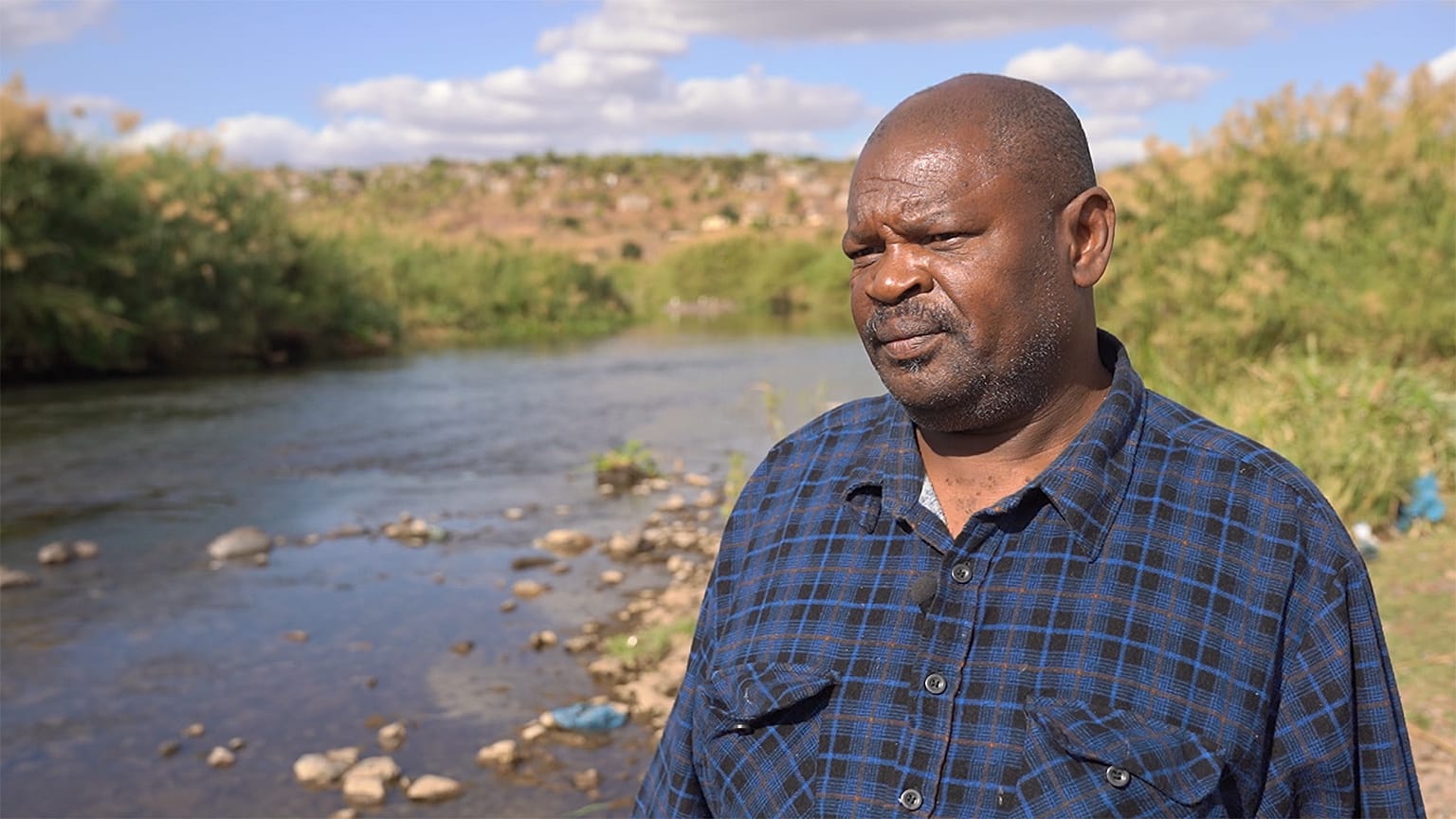
In this episode of Futuris, we meet the African and European scientists working together to find ways to disinfect water for domestic use in remote, isolated places in Africa, using sustainable and affordable technology.
Next Series
How technology is creating a safer and more environmentally friendly future for mining
In partnership with The European Commission
Mining has traditionally been a dangerous activity with a heavy environmental cost. But European projects are helping to make it safer and cleaner, by taking existing technologies and applying them to the context of mining.
Next Series
Can hydrogen offer a clean energy future in isolated territories?
In partnership with The European Commission
In our latest episode of Futuris, we found out if hydrogen can meet the energy demands on remote, isolated territories. European researchers are working to find out on constrained lands, such as the Orkney Islands in the UK.
Next Series
Abandon ship! How technology is coming to the rescue of the cruise industry
In partnership with The European Commission
The cruise industry is booming, with more than 25 million passengers expected to be carried worldwide in 2019. But with the increase in numbers comes an increase in risk.
Now technology is coming to the rescue.
Next Series
The acid test: New way to recover resources from industrial waste
In partnership with The European Commission
The galvanizing business involves hot and arduous work, turning corroding steel into protected metal using baths of hydrochloric acid and molten zinc. It's also a business which EU researchers believe they can make cleaner and greener. Their tech is now facing, quite literally, the acid test.
Next Series
I-React is an app that could save lives during natural disasters
In partnership with The European Commission
With an increase in danger from natural disasters over the last decade - and indications that this will only get worse - a team of developers have created an app that gathers huge amounts of data in emergency situations.
Next Series
EU scientists fight against growing drug market with 'encyclopedia' of legal highs
In partnership with The European Commission
New psychoactive substances (NPS) are designed to mimic the effects of illegal narcotics such as cannabis, cocaine or heroin. Despite this, they are often not illegal and can be cheaply purchased online.
Next Series
New risks and opportunities for fishing industry with climate change
In partnership with The European Commission
Researchers are preparing a set of practical recommendations for policymakers and the industry on mitigating climate change effects. They’re also preparing a software tool that helps to manage fish stocks more efficiently.
Next Series
EU Labs use groundbreaking "CRMs" to check pesticides in food
In partnership with The European Commission
The European Commission Joint Research Centre (JRC) is developing Certified Reference Materials (a “CRM”) to check pesticides in foods. A CRM is a measurement standard supporting laboratories to check the quality of their measurement methods.
Next Series
The Human Brain Project: Slicing brains and thinking machines
In partnership with The European Commission
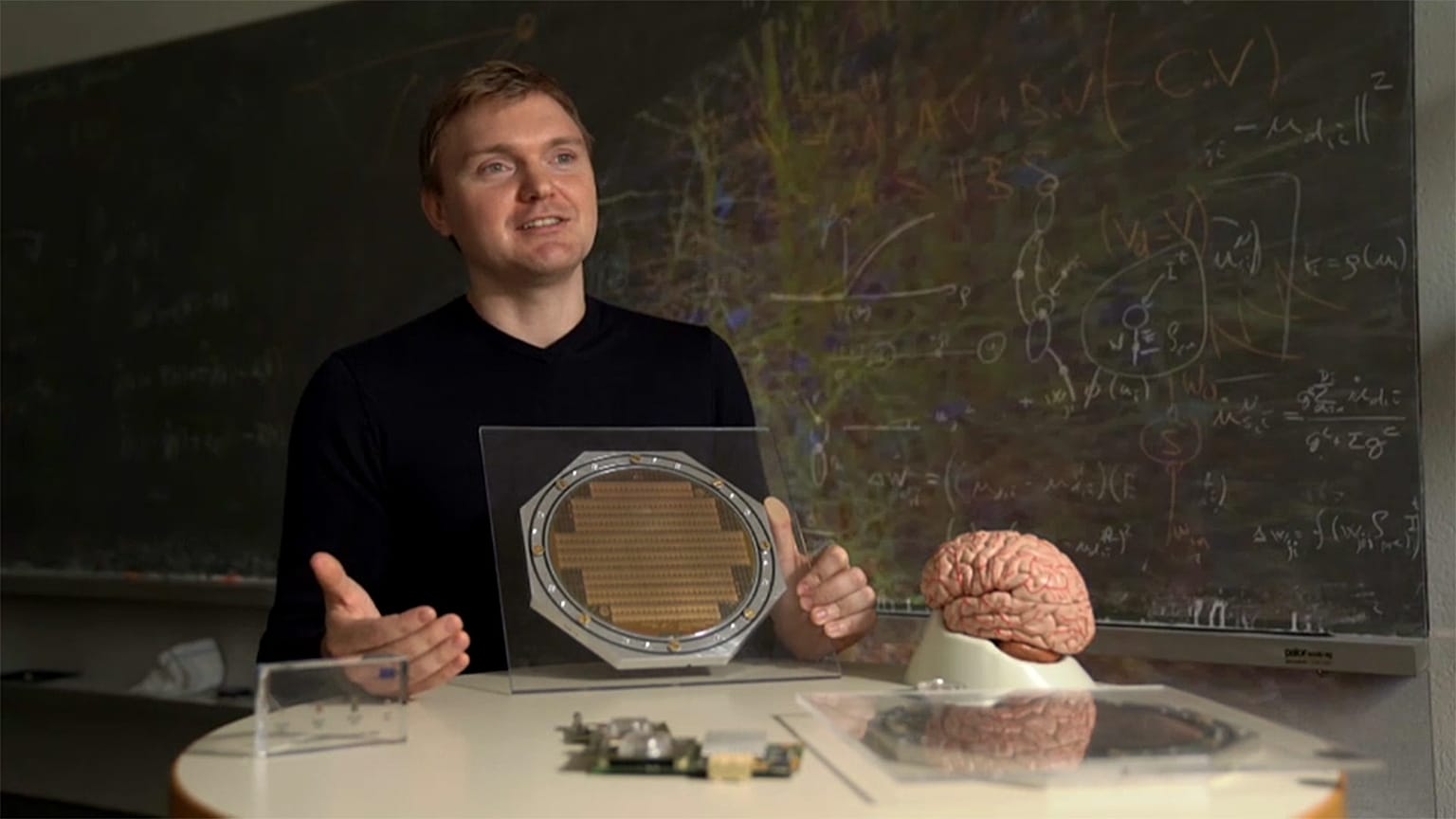
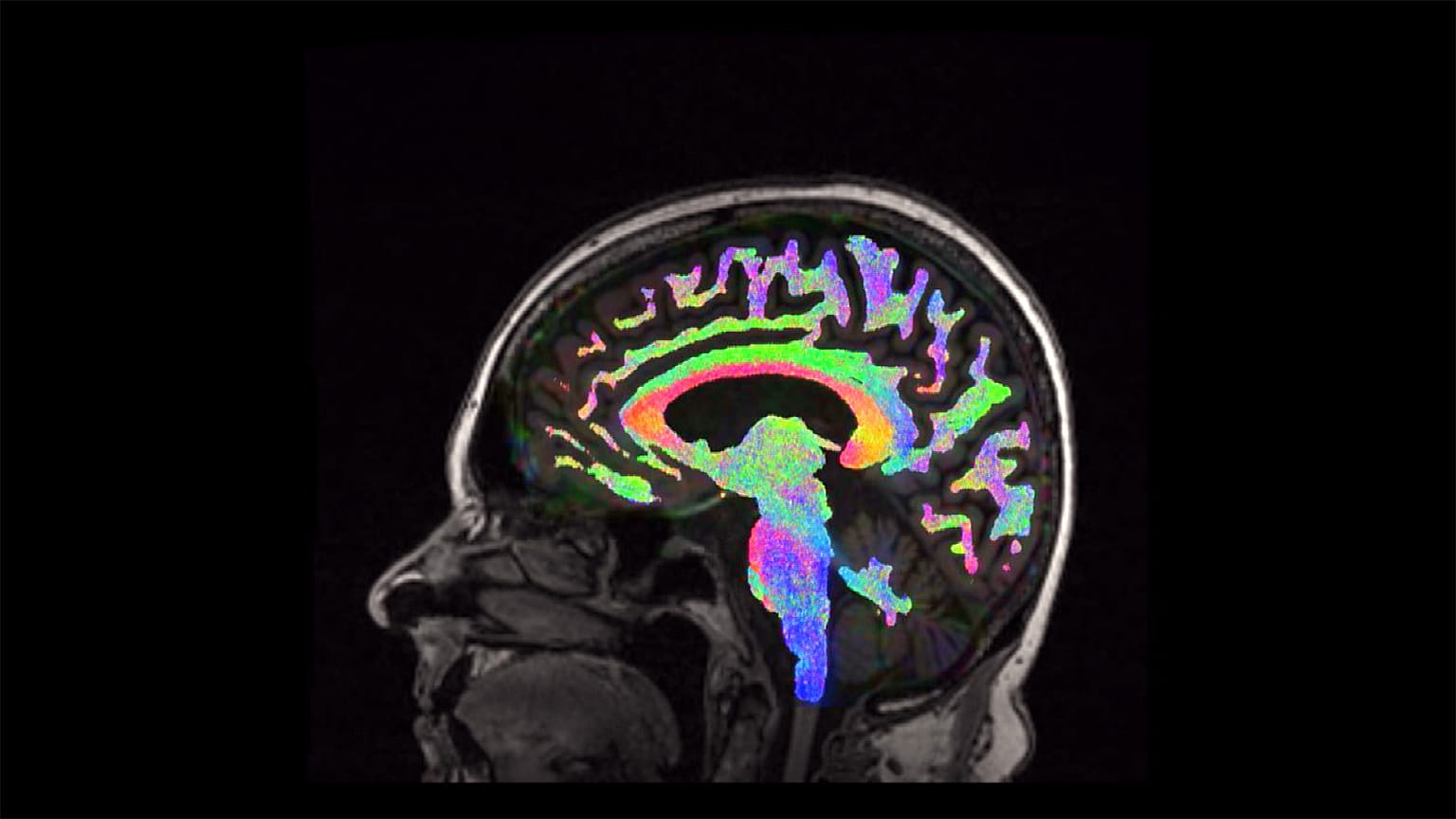
Can we create a thinking machine? Can we build a model of the human brain inside a computer? How do our minds really work? Those are some of the questions that researchers in the EU's Human Brain Project are trying to answer.
Next Series
'I was not who I was' - Research into new care for traumatic brain injury victims
In partnership with The European Commission
Futuris meets doctors from across Europe who have joined forces as part of a European project aimed at improving treatment for patients with traumatic brain injuries.
Next Series
Europe steps up fight to stop deadly olive tree disease
In partnership with The European Commission
In this episode of Futuris, Euronews' Julian Gomez travels to Italy to look at a European research project that's attempting to find a cure for the deadly olive tree disease Xylella Fastidiosa.
Next Series
SESAR programme: Changing the skies of the Europe
In partnership with The European Commission
The volume of air traffic in European skies of Europe is constantly increasing. In the future, to handle the new workload, there will be remote control towers that can handle multiple airports at the same time.
Next Series
EU project aims to preserve cultural opposition to communism
In partnership with The European Commission
In our Futuris series, we visited an escape room in the Hungarian capital, Budapest. A new European research project is working to preserve historical material related to cultural resistance from the communist regimes in Central and Eastern Europe. But how are they achieving that?
Next Series
Building the architectural future with new technologies
In partnership with The European Commission
Drones, VR, AI, 3D printing and scanning: how can all these new technologies help design the buildings of tomorrow? In search of answers, architects have teamed up with engineers and their findings have been shared at an exhibition in Copenhagen.
Next Series
Transkribus system makes breakthrough in understanding medieval texts
Artificial intelligence is being used at the University of Innsbruck, part of the EU's READ project, to automatically transcribe previously unintelligible historical documents, and make the system available as a phone app.
Next Series
EU scientists crack tech barriers to roadtrains of the future
Grouping vehicles in efficient "trains" has long been suggested as a cure for congestion, but with electric vehicles now becoming more common, EU scientists have tackled a host of technological challenges to make them possible, and improve air quality, too.
Next Series
How technology is helping protect Europe's heritage sites from climate change
The 14th century Palazzo dei Consoli is one of Gubbio's most iconic buildings. But the cracks appearing in its stone walls are raising concern that the ground under the palazzo may be shifting. Are we at risk of losing our historic heritage to climate change?
Next Series
How to make customs checks more effective
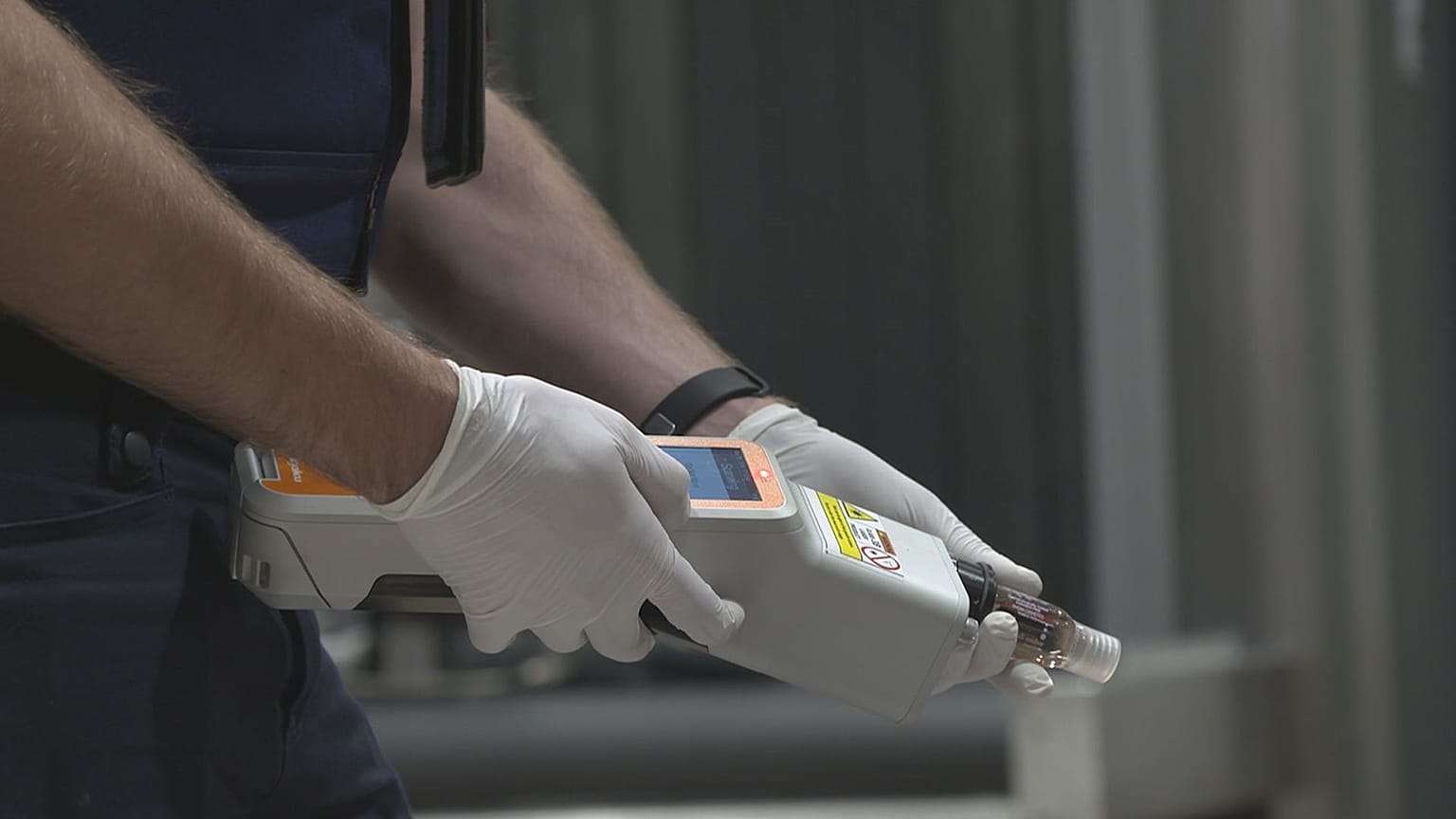
Inside the millions of containers arriving in Europe, there are also illegal goods such as weapons, drugs or radioactive materials. How to make customs controls more effective without slowing down unloading operations? An answer comes from the C-Bord project.