

















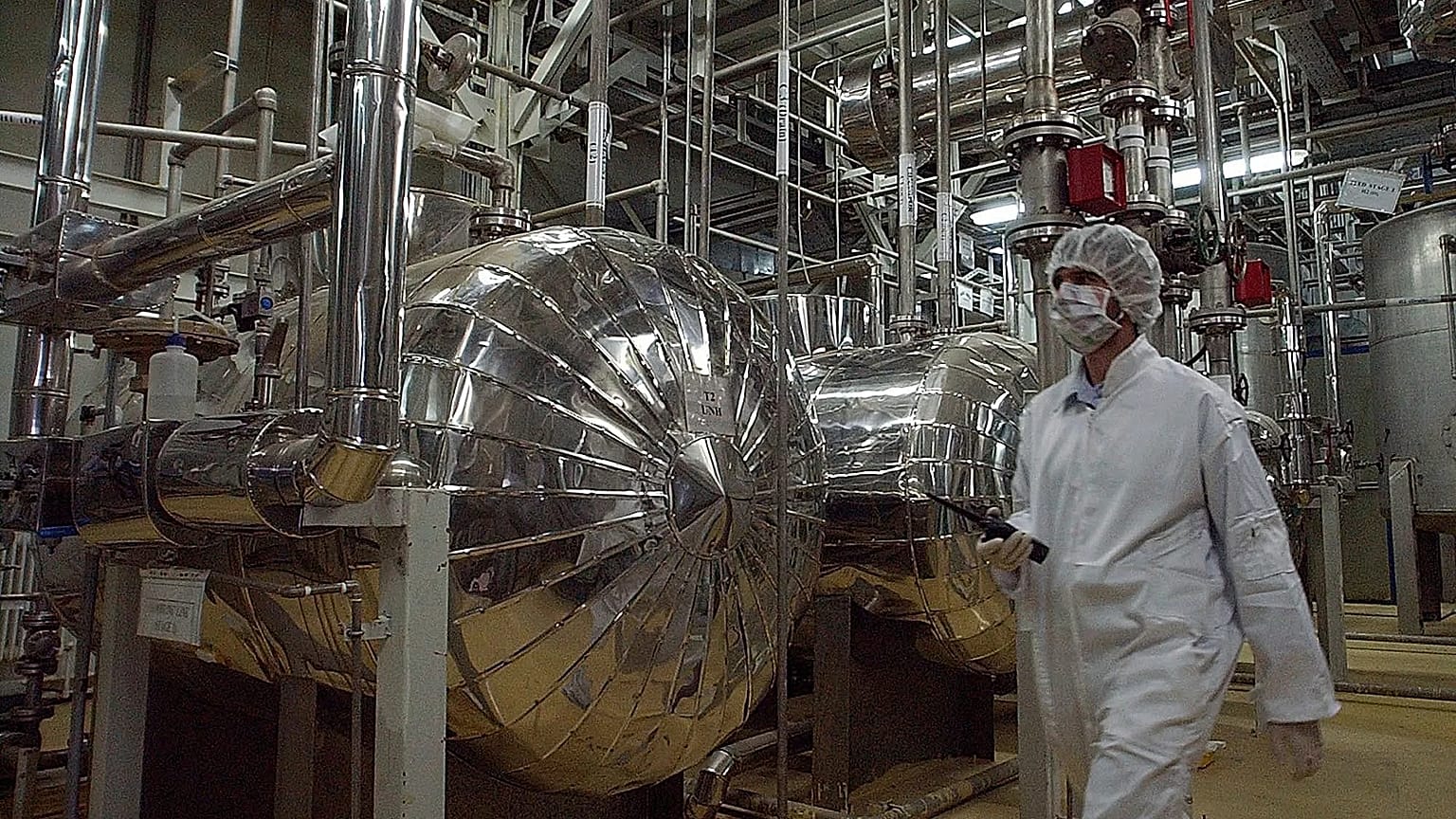













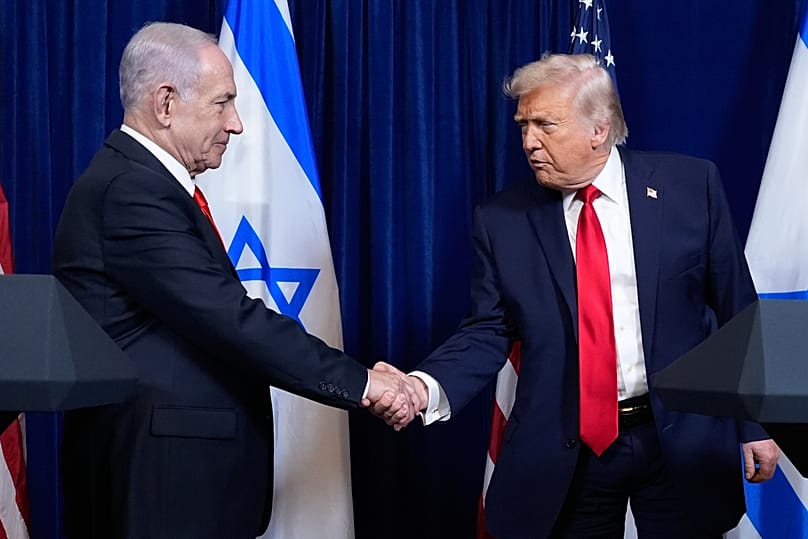
Netanyahu's words come days after Trump said he wants to "eradicate" Iran's nuclear and ballistic missile programme after the two leaders met in Washington last week.
Israeli Prime Minister Benjamin Netanyahu said on Monday that he and US President Donald Trump would not permit Iran to restore its ballistic and nuclear programmes, with the ties between the two and their respective countries "a recipe for the continuation of our series of achievements in 2026 as well."
"We will not allow Iran to restore its ballistic missile industry, and certainly we will not allow it renew the nuclear programme that we significantly damaged," Netanyahu told lawmakers at the Knesset.
Netanyahu also lauded the ongoing protests over hyperinflation and cost-of-living spike in Iran, calling it “a decisive moment, in which the Iranian people take their futures into their hands.”
“We in Israel identify with the struggle of the Iranian people,” he said, “and its aspirations for freedom and justice.”
Netanyahu's words come days after Trump himself said the US would "eradicate" Iran's nuclear and ballistic missile programme after the two leaders met in Mar-a-Lago last week.
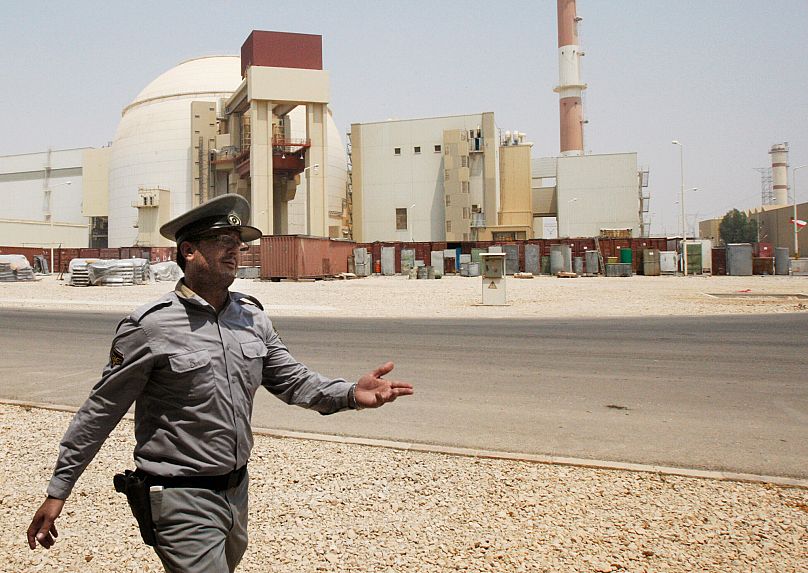
Israeli officials and media have expressed concern in recent months that Iran is rebuilding its ballistic missile arsenal after it was damaged during the 12-day conflict with Israel in June.
Trump said Iran "may be behaving badly" and was looking at new nuclear sites to replace those targeted by US strikes during the same conflict, as well as restoring its missile stockpiles.
"I hope they're not trying to build up again because if they are, we're going have no choice but very quickly to eradicate that buildup," Trump said, adding that the US response "may be more powerful than the last time."
But Trump said he believed Iran was still interested in a deal with Washington on its nuclear and missile programmes. Tehran has always maintained its nuclear programme is for peaceful, civilian purposes and has denied it is seeking to develop nuclear weapons.
The landmark 2015 nuclear deal with Iran, known as the Joint Comprehensive Plan of Action (JCPOA), saw Tehran receive sanctions relief in return for limits on its nuclear activities.
That agreement all but collapsed after Trump withdrew the US from it in 2018, slamming it as "the worst deal ever negotiated" and reimposing what he called a "maximum pressure" campaign of sanctions on Iran.
Protests erupted in Iran on 28 December when shopkeepers in the capital Tehran staged a strike over high prices and economic stagnation, after the rial plunged to a record low against the US dollar.
They have since spread to other cities and expanded to include political demands.