





























From the 1970s until at least 2005, nurses, doctors or taxi drivers were involved in child theft in Georgia. The mothers were told their babies had died and the bodies were not released. Now, a new documentary has given the children a chance to find their biological family.
There are thousand of stories of children stolen and illegally sold for adoption. Across Europe, it's estimated around 100,000 mothers were told during a period dating back to the 1970s that their newborn sons and daughters had died and their bodies were never released to them.
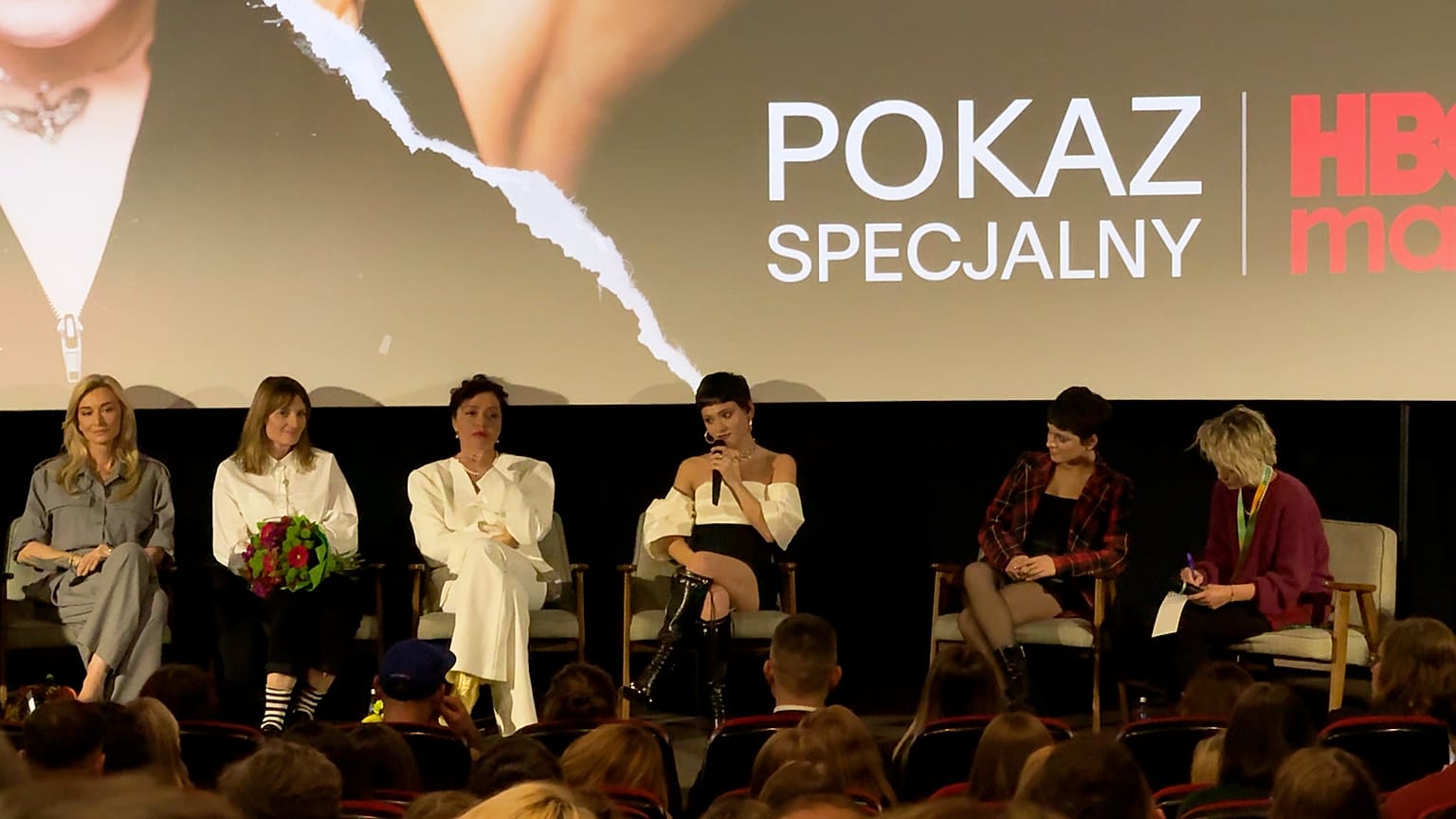
A new documentary 'Stolen Children' by Martyna Wojciechowska and Jowita Baraniecka, which premiered in Warsaw at the WatchDocs festival, explores this inhuman practice.
Georgia, Spain and the entire Eastern Bloc
"There are numerous known cases in Spain. And these places in the world are many. Certainly the entire Eastern Bloc and all post-Soviet countries have experienced such situations, the inhabitants of these countries. But in Georgia, the scale is incredible and striking, because we are talking about a country with a population of 3.5 million, and at the moment there are 100,000 registered mothers who are looking for their children in such a small country. Such a number is striking, and we still don't really know how many there could be," Martyna Wojciechowska told Euronews.
The directors tell two interconnecting stories in their film. Firstly, that of investigative journalist Tamuna Museridze, who, after the death of her mother, learns that she was adopted. She decides to look for her biological parents, and along the way finds herself on the trail of a criminal ring that has been operating since the 1970s. As she reveals - everyone took part in it: nurses, doctors, taxi drivers.... The women gave birth to healthy babies, and after about three days, they were told that the babies had died.
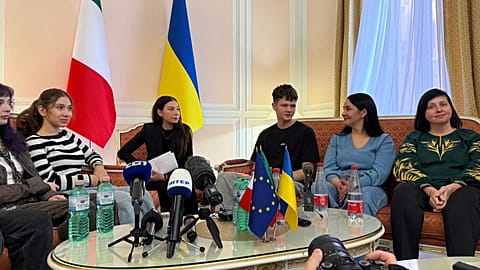
"I'm happy for the premiere and I'm sure that the mothers of those children who were sold abroad will find a way to contact us (...) but of course I'm also ashamed that such things are happening in Georgia," says Museridze.
Searching for relatives
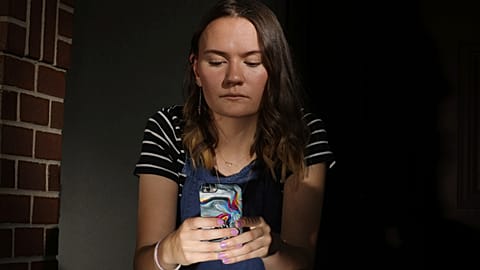
The second story is about twins, Ano and Amy, who found each other on social media, although they had no idea they were adopted before. Now, like Tamuna, they want to help people find their biological family.
"This film I have no doubt will start an avalanche and a great many people will find out in general that such a procedure took place. A lot of people will start looking for the truth about themselves, their families, their roots," Wojciechowska adds.
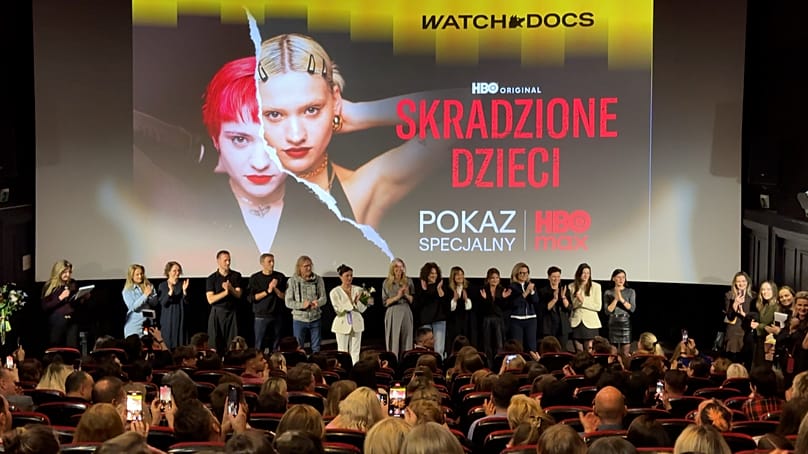
Stolen Children will be available to see on HBO Max on 12 December.