































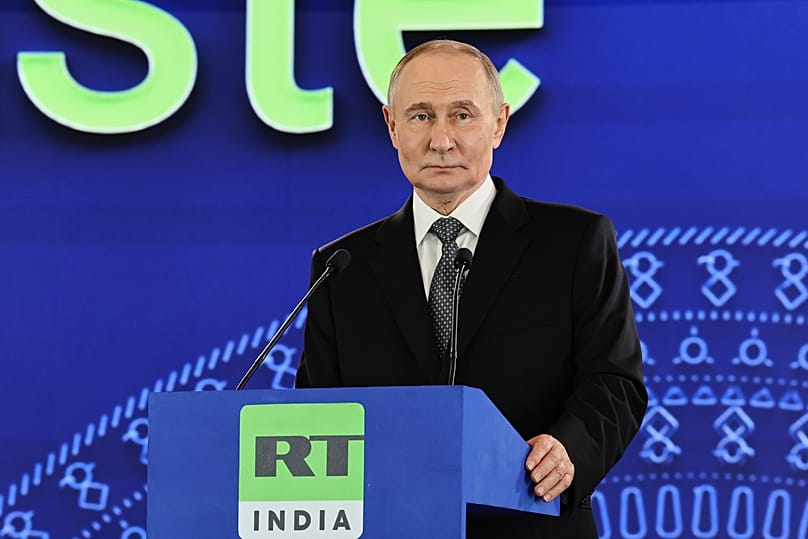
The Kremlin has repeatedly said that it doesn't recognise the jurisdiction of the court and considers the warrant null and void.
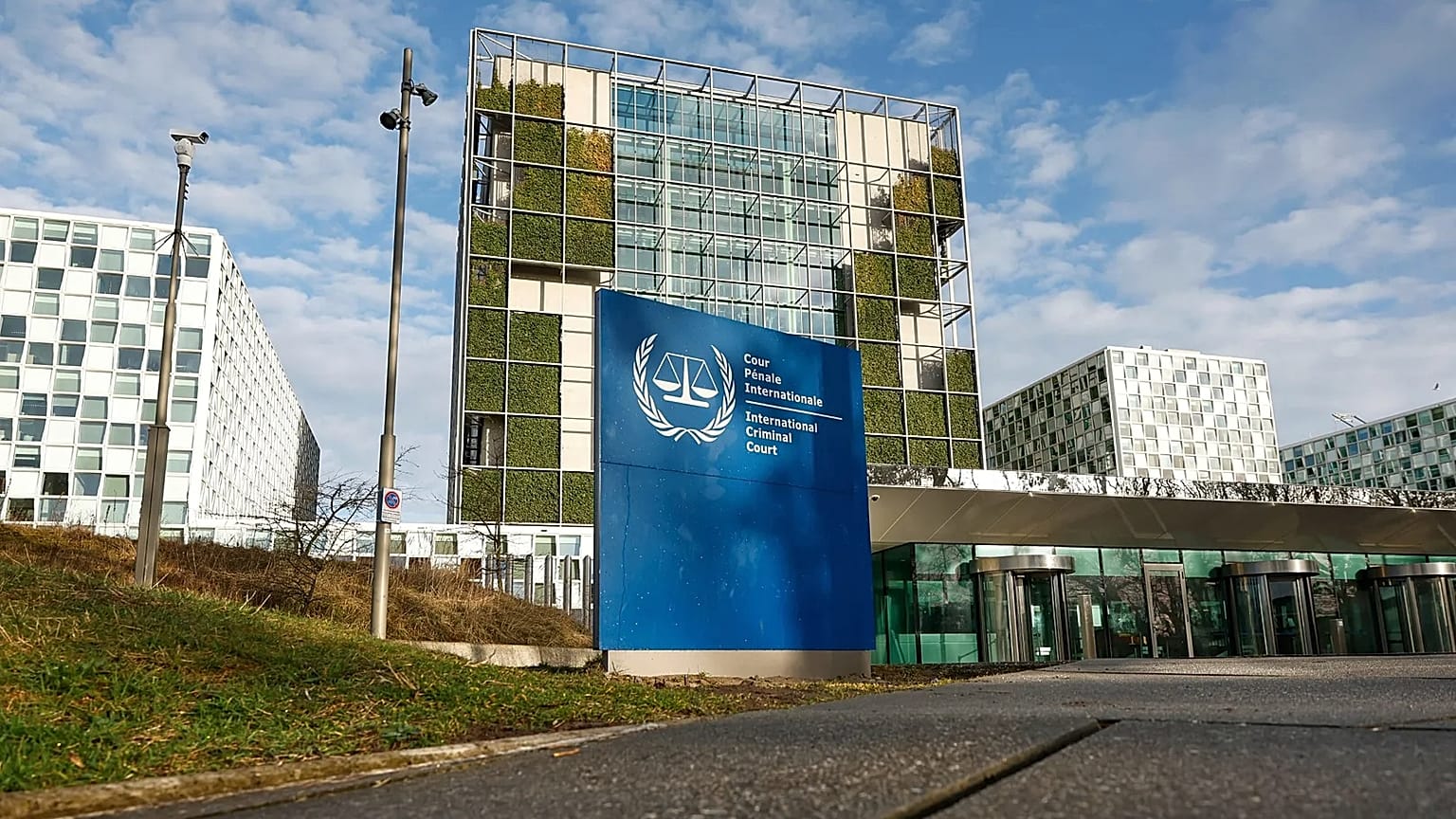
The deputy prosecutor of the International Criminal Court (ICC) said on Friday that the court's investigation into the invasion of Ukraine can’t be halted by peace talks but could be deferred by the UN Security Council.
 ADVERTISEMENT
ADVERTISEMENT
ADVERTISEMENT
"If we have an ongoing investigation, then we will follow our own regulatory framework," deputy prosecutor Nazhat Shameem Khan said.
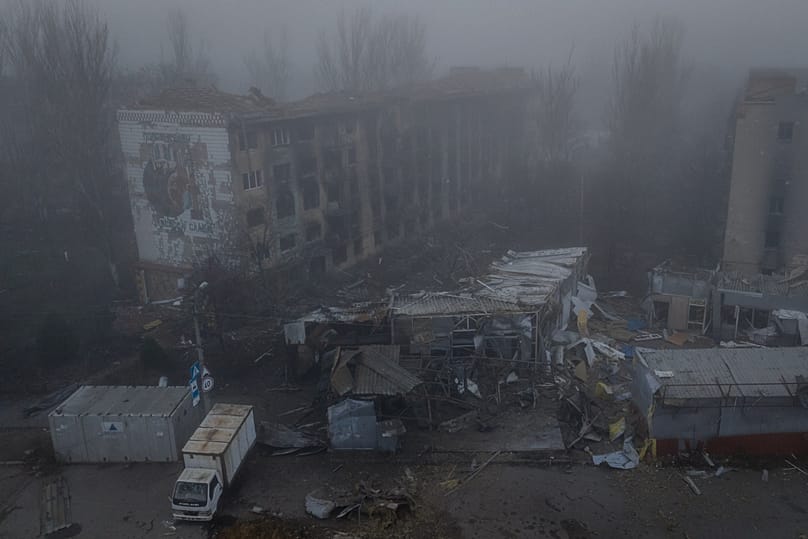
Negotiators and officials from the US, Ukraine and Russia have crisscrossed the globe in recent weeks in a flurry of meetings to discuss a potential peace deal to bring about an end to Russia’s full-scale invasion.
Khan said that attempts to bring justice should go hand-in-hand with peace efforts. "There must be the possibility of accountability in order for peace to be enduring, to be sustainable," she said.
The Security Council can "ask the court to defer a case where it feels that there is room for a peace agreement," Khan said, adding that would only be a "temporary stop."
The court has issued arrest warrants for Russian President Vladimir Putin and five others over their alleged involvement in war crimes in Ukraine.
The Kremlin has repeatedly said that it doesn't recognise the jurisdiction of the court and considers the warrant null and void.
Khan was speaking at the end of the court's weeklong annual meeting, where hundreds of diplomats, lawyers and activists gathered in The Hague to discuss unprecedented challenges including US sanctions and worries over the court’s future.
The Fijian jurist is one of the nine staff members, including six judges and the court's chief prosecutor, who have been sanctioned by the Trump administration for pursuing investigations into US and Israeli officials.
The US sanctions have taken a toll on the court's work across a broad array of investigations at a time when the institution is juggling ever more demands on its resources.
Despite the difficulties, Khan is optimistic. She says the court received "an enormous amount of support" from its 125 member states during the meeting.
It’s a "very challenging, but also a very decisive time for justice and for international criminal justice," she said.