




























Eurostat data shows Portugal recorded the EU's sharpest rise in house prices in Q2 2026 versus a year earlier. In September, national housing costs hit a fresh record high.
House prices are once again on the rise in Portugal, reaching a new all-time high in September.
 ADVERTISEMENT
ADVERTISEMENT
ADVERTISEMENT
According to the Idealista price index, prices rose by 7.9% in September compared with the same month last year. On a monthly basis, they also rose by 0.6% nationwide.
Data from the property sales and rental portal show that the median asking price for a home was €3,228 per square metre last month.
Vila Real (17.8%), Leiria (17.6%), Beja (14.4%), Faro (14.3%) and Guarda (14%) posted the steepest annual increases among the cities surveyed, with the Centro region leading the way in terms of regional price growth.
Aveiro (9.3%), Setúbal (9.1%), Porto (9%), Castelo Branco (9%), Ponta Delgada (7.1%), Funchal (5.3%) and Lisbon (4.4%) were the areas where prices rose the least.
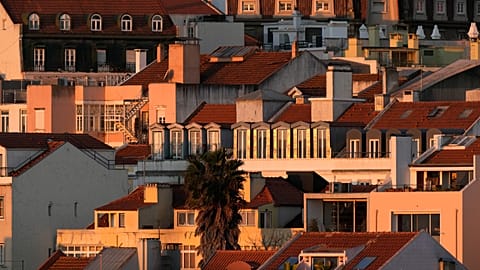
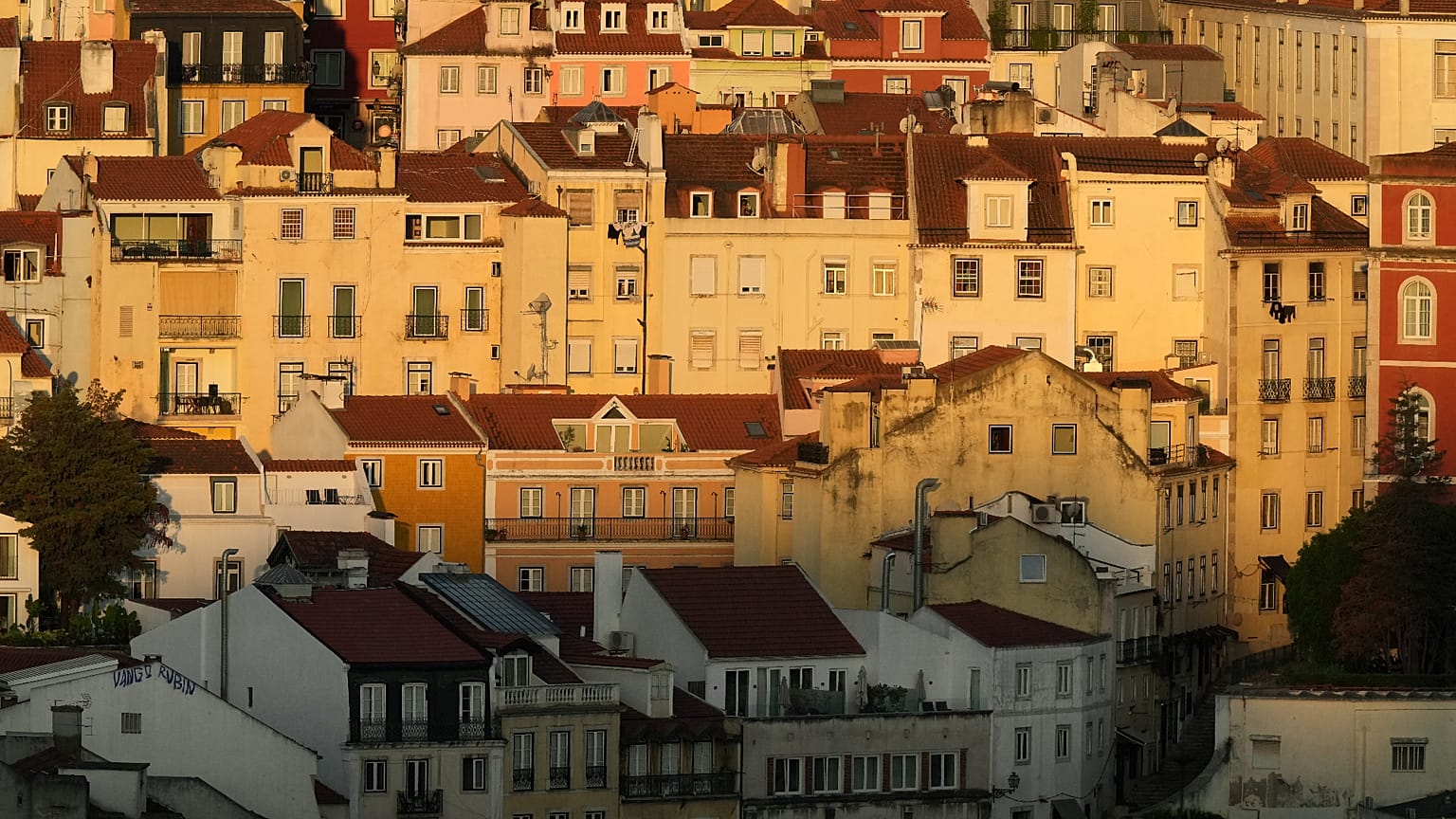
Lisbon remains the country’s most expensive city in which to buy a home. The Portuguese capital has a median asking price of €6,256 per square metre. The wider Lisbon region is also the priciest area in which to buy a home, with a median asking price of €4,501 per square metre.
Portugal posts the sharpest house price rise in the EU
Portugal also recorded the EU’s fastest annual house price growth in the second quarter.
According to the latest Eurostat figures, the country recorded the biggest increase in the European Union in the second quarter of 2026 compared with the same period a year earlier.
"The largest increase was recorded in Portugal (+16.5%), followed by Bulgaria (+15.5%) and Lithuania (+14.3%)", the statement says, adding that Finland (-2.7%), Luxembourg (-2.2%) and France (-0.8%) were the only countries where prices fell.
Overall, in the second quarter of 2026, house prices rose by 4% in the eurozone and 4.7% in the EU compared with the same quarter of the previous year.
Compared with the first quarter of 2026, house prices increased by 1.1% in the eurozone and 1.2% in the EU in the second quarter.