




























European regulators are questioning Binance over its use of a narrow legal exemption to keep serving EU customers without a licence, the Financial Times reported. Binance told Euronews it is working towards authorisation, while ESMA said enforcement is a matter for national authorities.
The world's largest cryptocurrency exchange is under scrutiny from EU watchdogs for continuing to serve clients in the bloc, months after it was told to wind down its European business, according to a report by the Financial Times on Thursday.
 ADVERTISEMENT
ADVERTISEMENT
ADVERTISEMENT
Binance failed to secure a licence this summer under the Markets in Crypto-Assets Regulation (MiCA), the EU's rulebook for the sector. Unlicensed companies were expected to take "immediate steps" to wind down their EU operations from 1 July and to serve customers only to help them transfer or sell their crypto holdings.
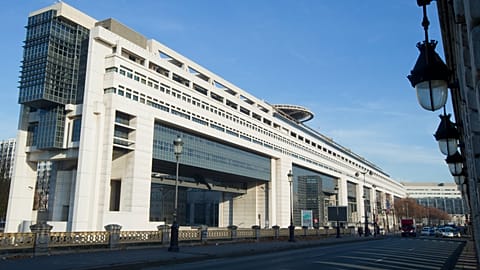
The European Securities and Markets Authority (ESMA), the EU's markets watchdog, and national regulators in countries including France, Germany and Greece are now examining how Binance uses "reverse solicitation", the FT reported, citing people familiar with the matter.
The legal exemption allows companies based outside the EU to serve customers in the bloc as long as those customers seek out the service entirely on their own initiative.
Some regulators have asked Binance for information and could take enforcement action, including fines, if they are not satisfied with its answers, according to the report, which added that regulators are also looking at smaller crypto firms.
A "very narrowly framed" exception
"The reverse solicitation exemption should be understood as very narrowly framed. It should be regarded as the exception and not be used to circumvent MiCA requirements," ESMA told the FT.
The Dutch market watchdog AFM went further.
"Crypto asset service providers cannot simply claim reverse solicitation: there are clear requirements and guidelines that must be met," it told the newspaper.
Binance's local licences in countries such as France, Spain and Poland lapsed under MiCA, while customers in other EU countries are served by its entity in Abu Dhabi, where it has been regulated since December 2025.
However, the experience for European users on the platform has not changed since the MiCA deadline on 1 July.
In countries where it held no local licence, Binance operates "under reverse solicitation" and is "seeing customers wanting to onboard" of their own accord, one person familiar with the matter told the FT, adding that the company did not want to grow its business that way in the long term.
What Binance and ESMA told Euronews
Asked by Euronews about the regulators' questions, Binance declined to address the situation and instead simply replied that it "complies with applicable regulatory requirements in the jurisdictions in which it operates."
"In Europe, Binance remains committed to operating on a long-term, compliant basis under the EU's Markets in Crypto-Assets Regulation. We are actively working toward becoming MiCA-authorised," a spokesperson said.
ESMA told Euronews it "does not comment on specific cases".
It stressed, however, that under MiCA, "the supervision, investigation, and enforcement are national competences", while its own role is to promote consistent supervision across the bloc by encouraging cooperation and information-sharing between authorities and issuing guidance.
Any penalties against Binance would have to come from national authorities rather than from Paris-based ESMA itself.
The scrutiny adds to years of regulatory trouble for Binance, which agreed to pay $4.3bn (€3.8bn) in penalties in the US in 2023 and pleaded guilty to criminal charges related to money laundering and breaching US sanctions.
Whether it can hold on to its European users now depends on how regulators judge its reading of the exemption, and whether and how quickly it secures the licence it says it is pursuing.