















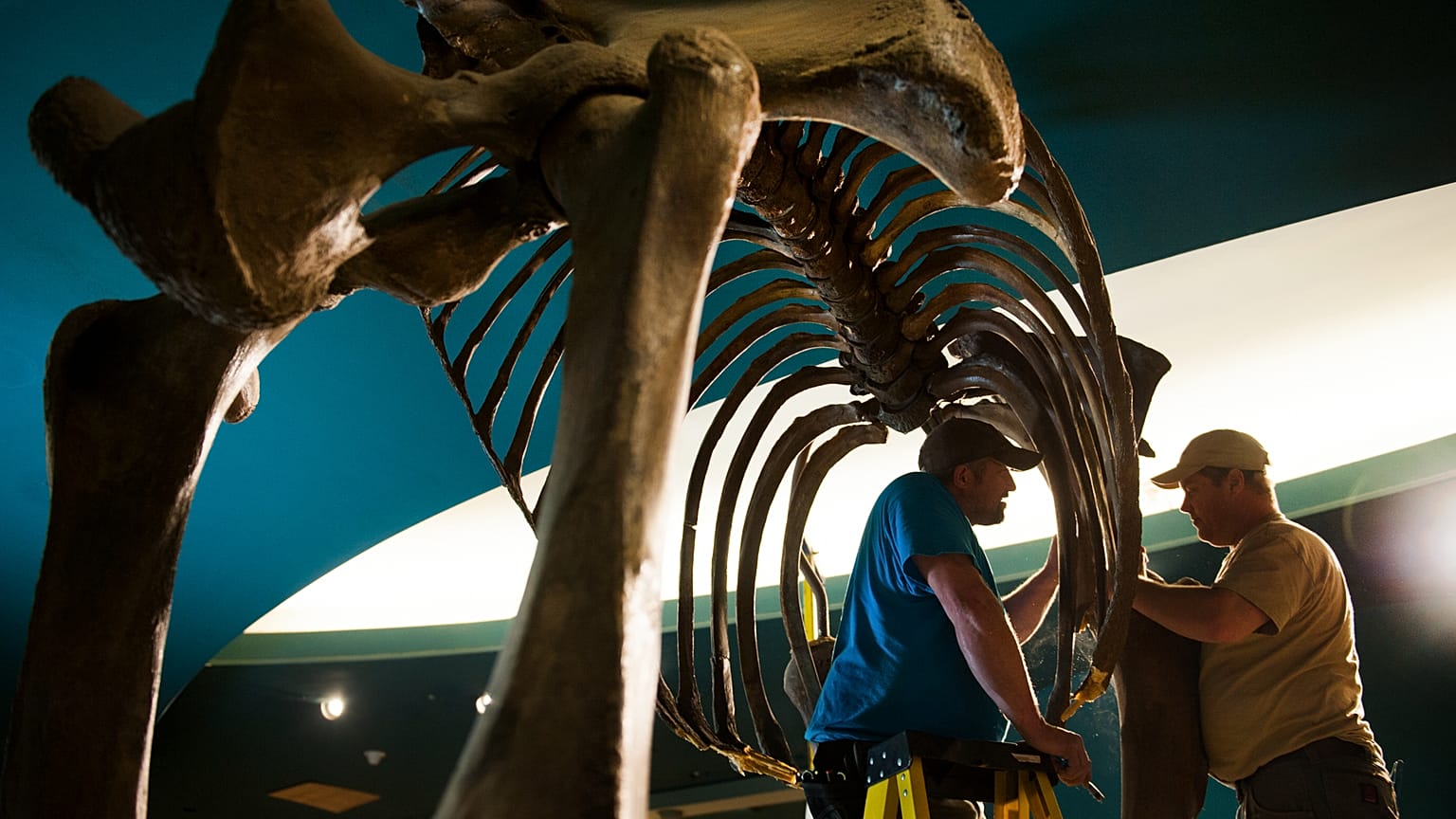













Record-low water levels have exposed the bones of a large mammoth in the riverbed near the village of Ryahovo in Bulgaria. Experts believe it is a woolly mammoth.
On the banks of the Danube near the town of Ryahovo in Bulgaria, the remains of an ancient mammoth have resurfaced. The river, with water levels at record lows because of recent heatwaves, has revealed bones which, according to researchers at the Regional History Museum in Ruse, belong to a specimen of 'Mammuthus primigenius', commonly known as the woolly mammoth.
 ADVERTISEMENT
ADVERTISEMENT
ADVERTISEMENT
So far, researchers have identified and recovered a jawbone, tusks, a shoulder blade, ribs and other bone fragments, but much of the skeleton is probably still buried.
The museum's curator, Krasimir Kirov, said that the animal, standing almost five metres tall and weighing more than seven to eight tonnes, may have been carried to that spot by the Danube, where the remains of prehistoric animals have accumulated over millennia.
The species existed from around 500,000–800,000 years ago until about 7,000–10,000 years ago. The bones therefore date back several thousand years and, because of their prolonged exposure to water, are being removed from the riverbed with great care, given how vulnerable they are to deterioration once exposed to air.
Once they have been conserved and properly studied, the remains are expected to be put on display at the museum in Ruse, which is around thirty kilometres from where they were found.
What is emerging from the Danube
The Danube, which flows through 10 countries from south-west Germany to the Black Sea, has dropped to record low levels along much of its course, exposing rocks, sandbanks and ancient wrecks that were rarely visible in the past.
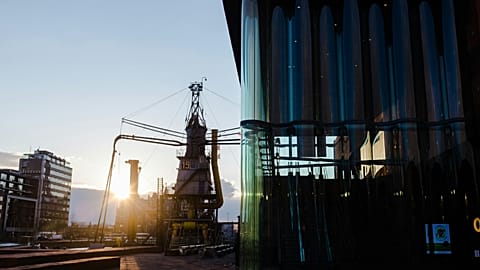
Wrecks have surfaced both in Hungary, near Mohács, and in Serbia, at Prahovo, where German warships dating back to the Second World War have reappeared.
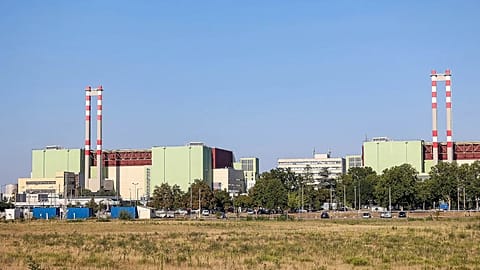
The discoveries are not the only consequence of the Danube running dry, though. Hungary is also facing a tense situation because the Paks nuclear power plant has been forcibly shut down, as the water level is too low to guarantee the cooling of the facility.