





Estelle Nilsson-Julien
The Cube
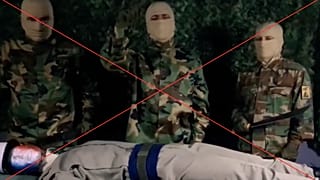
Fake Hezbollah video threatening attack on France possibly Russia-tied
A social media video emerged ahead of this year's Bastille Day in which alleged Hezbollah militants threatened attacks on French soil. The video turned out to be fake, and researchers say it could be linked to a well-known Russian disinformation campaign.


 ADVERTISEMENT

The Cube
Self-styled 'experts' increasingly influencing opinion on social media
Researchers warn social media users can form strong opinions after viewing only a few social media posts on a topic. Across social media, many self-proclaimed experts and influencers are plugging a gap amid declining public trust in traditional experts.


The Cube
Can French prosecutors review 70,000 child abuse cases in five weeks?
The murder of an 11-year-old schoolgirl in France has sparked outrage at the country's judicial system, prompting the justice minister to launch a mass child abuse case review. But experts are split on how feasible the plan is.



The Cube
How Iran-linked accounts faked Irish, Scottish profiles to sway public
Researchers say that social media accounts affiliated with Iran's Islamic Revolutionary Guard Corps posed as Scottish and Irish nationals in order to cultivate their following, before switching their narrative to spread pro-Iranian discourse online.


The Cube
Monetisation still available to EU-sanctioned figures on social media
Researchers from the Dutch non-profit WHAT TO FIX found monetisation tools were still active on social media accounts linked to three individuals sanctioned by the EU over pro-Russian interference activities. Several accounts have since been removed.

The Cube
Can France's Canal+ legally blacklist stars for criticising owner?
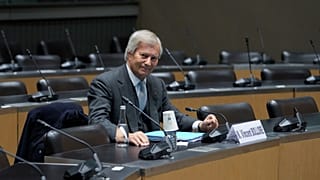
In response to a petition signed by French film professionals protesting against the ever-growing hold of conservative businessman Vincent Bolloré on France's media industry, the group's CEO threatened to blacklist them. But is such a threat legal and could it undermine freedom of speech?
 ADVERTISEMENT