




























The 4-tonne part poses no risk to Earth, but it has revived the debate on space debris ahead of major space exploration missions like Artemis III.
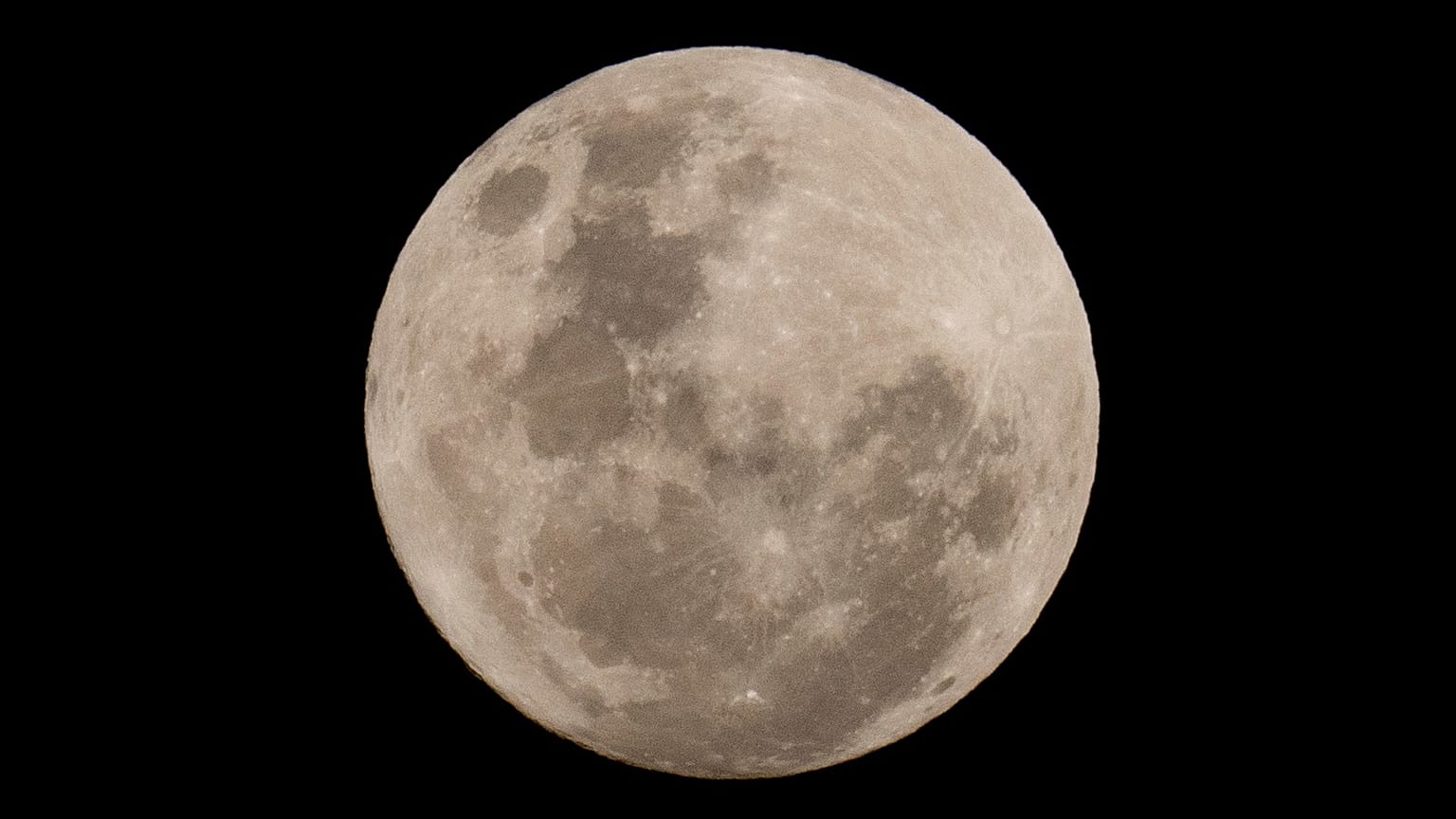
A drifting part of a SpaceX rocket is believed to have unintentionally crashed into the Moon on Wednesday morning in a collision that, according to experts, poses no risks to Earth.
 ADVERTISEMENT
ADVERTISEMENT
ADVERTISEMENT
This stray piece was part of a SpaceX Falcon 9 reusable rocket, which hoisted two lunar landers and lifted off on January 15, 2025.
It is approximately the length of a London bus, weighs around 4 tonnes, and is the second dead rocket known to have accidentally crashed into the Moon after a similar incident occurred in 2022 with a Chinese rocket segment.
The collision is believed to have happened early Wednesday morning, with scientists estimating a speed of 8,700 kph (seven times the speed of sound) and anticipating a crater of nearly 27 meters across and 5 meters deep on the satellite’s sunlit western limb.
Astronomers were not able to immediately confirm the crash on Wednesday, as the impact flash, lasting less than a second, was probably too dim to see.
Images of the crash are not yet available, as none of the spacecraft orbiting the Moon was in the correct place to follow the event live.
The impact, NASA said in a press release, poses no danger to Earth and will serve as an occasion to collect lunar data and refine techniques for tracking objects in space.
It was never SpaceX's intent to hit the Moon. But space experts have said the crash could have been avoided if the upper stage had been nudged into orbit around the Sun.
Although scientists are not too concerned about this particular piece of space junk, the event revived the debate around space debris and the growing threat they pose as more and more items cram into orbit.
With the Moon's South Pole becoming the new frontier of space exploration, scientists say it is crucial to improve debris monitoring and traffic management before robots and astronauts arrive.
Elon Musk’s company SpaceX is one of the key actors for the push to return to the Moon, with the company building the two lunar landers which will be tested in the upcoming step of NASA’s Moon programme, Artemis III.
In addition, the crash comes at a difficult time for SpaceX, which released its first earnings report on Wednesday since going public. Despite beating Wall Street’s revenue expectations, its shares have been on a turbulent path.