

















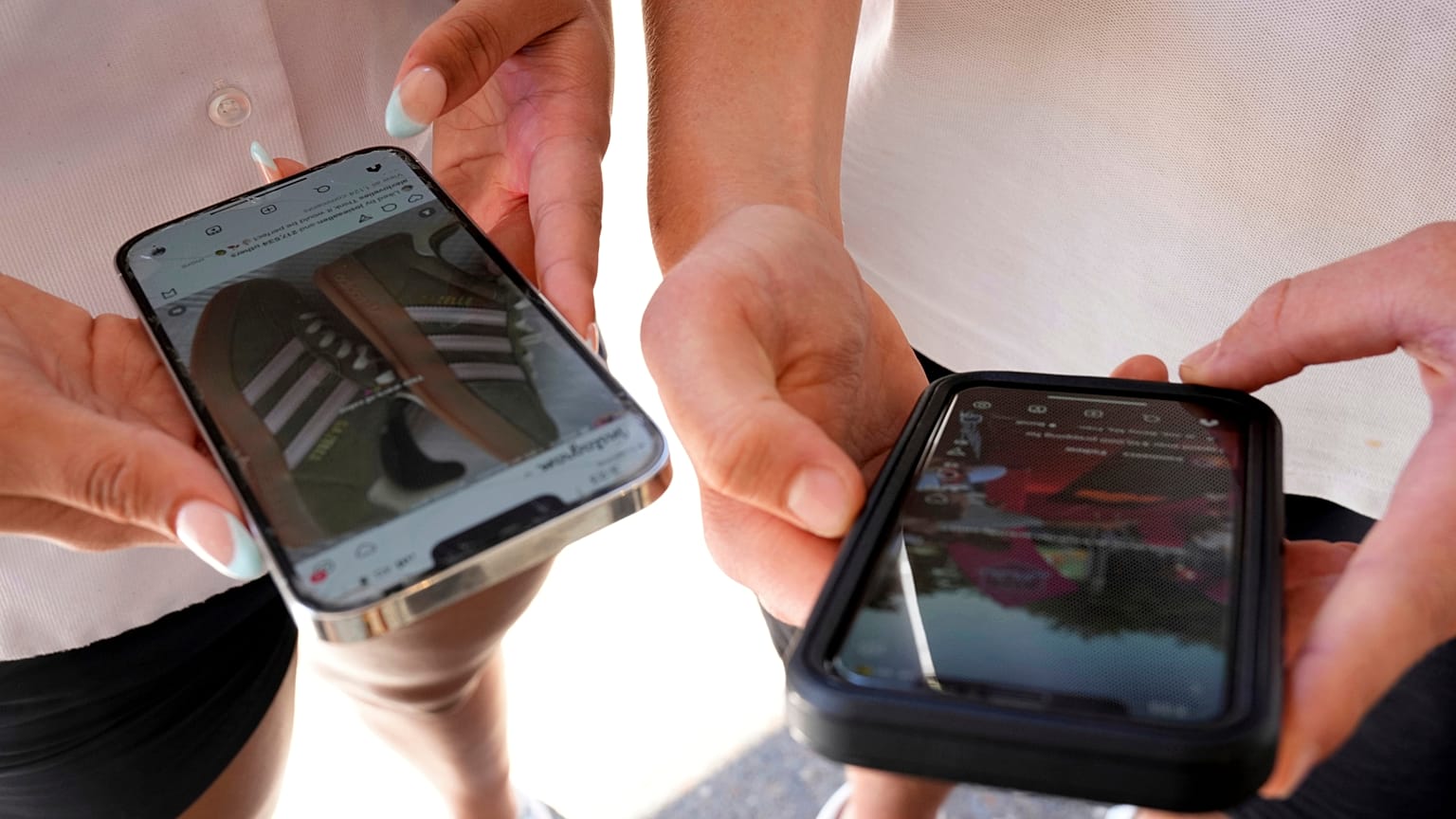














Several European countries have already suggested social media bans for children.
Austria has announced plans to ban social media use for children under 14, becoming the latest EU member state to consider a national social media ban for children.
 ADVERTISEMENT
ADVERTISEMENT
ADVERTISEMENT
Alexander Pröll, the official in Chancellor Christian Stocker's office responsible for digitisation, said on Friday that draft legislation will be drawn up by the end of June. He said that “technically modern methods” of age verification will be used, which allow users to verify their age while respecting their privacy.
It wasn't immediately clear when the plan to introduce a minimum age, which will need parliamentary approval, might take effect.
Australia became the first country in the world to ban children under 16 from social media in December, with the intention of protecting them from harmful content and excessive screen time. A similar ban in Indonesia is due to start taking effect on Saturday.
In Europe, lawmakers in France in January approved a bill banning social media for children under 15, paving the way for the measure to enter into force at the start of the next school year in September. Spain last month announced plans for a social media ban for under-16s. Denmark last fall announced an agreement for an access ban for under-15s. The British government said in January it would consider banning young teenagers from social media.
Austria's three-party centrist coalition is now joining the trend.
“Today is a good day for children in our country,” Vice Chancellor Andreas Babler said at a news conference. “In the future, we will protect children and young people with determination against the negative effects of social media platforms.”
“We will no longer look on as these platforms make our children addicted and often also sick,” he said.
The Austrian government plans to accompany the ban with an effort to beef up schools' teaching of how to use media and deal with artificial intelligence.
The announcement comes after Meta and YouTube were handed a $6 million (€5.1 million) fine in damages this week after a jury decided that the social media companies designed their platforms to addict young users.
How is the EU addressing social media for children?
The European Union is also urging stronger action across the bloc.
In November, the European Parliament proposed a non-binding resolution setting a Europe-wide minimum age of 16 in order to access social media, video-sharing platforms and AI companions.
MEPs suggested children aged 13 to 16 could access social platforms with parental consent.
Parliament proposes a harmonised EU digital minimum age of 16 for access to social media, video-sharing platforms and AI companions, while allowing 13- to 16-year-olds access with parental consent.