
















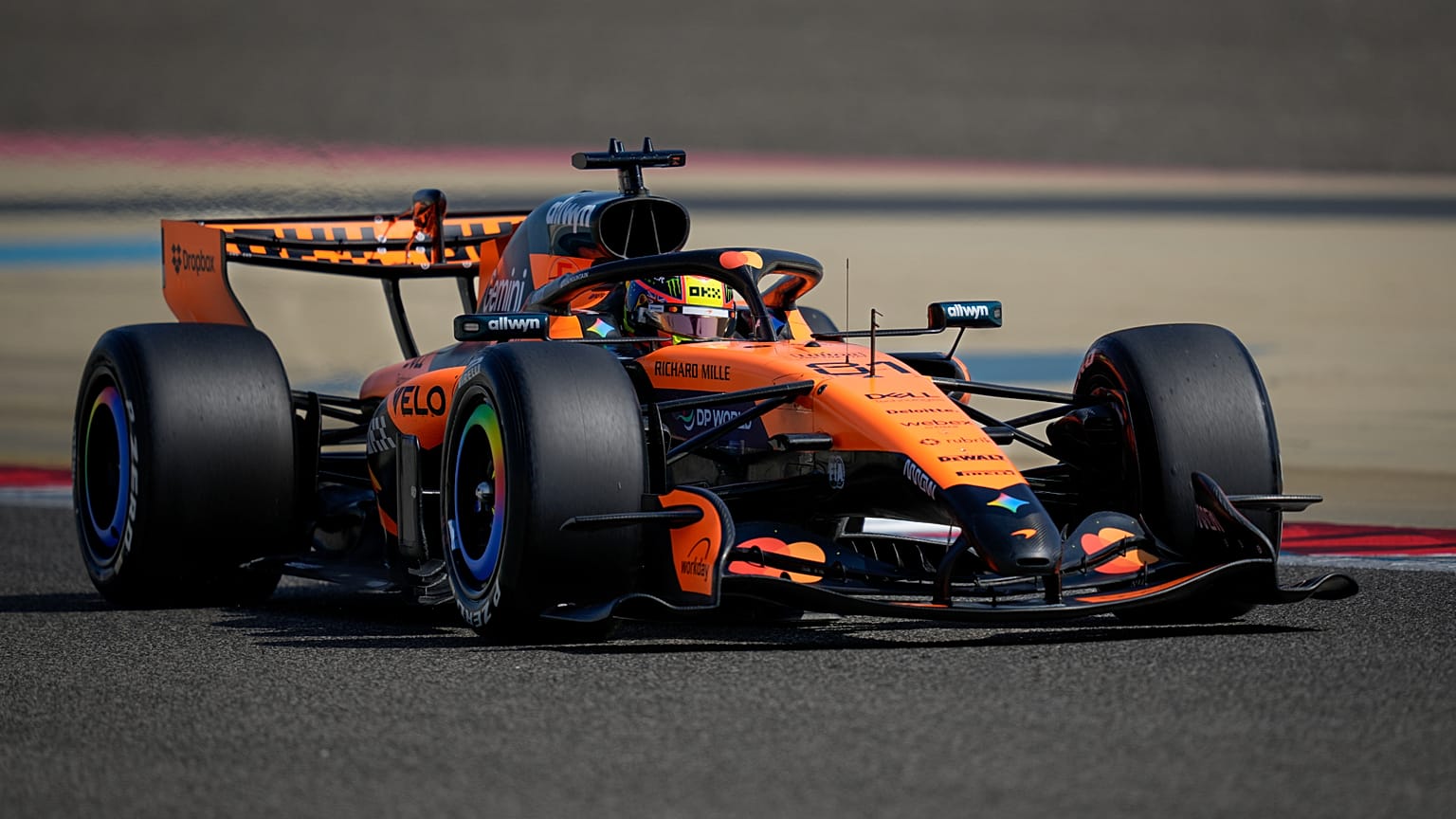













Formula 1’s 2026 regulations bring a range of technical changes to the sport, targeting everything from the bodywork to the engine of the cars.
The new season of Formula 1 (F1) begins this weekend, with innovations and rules that are a technical overhaul of the sport.
 ADVERTISEMENT
ADVERTISEMENT
ADVERTISEMENT
The 2026 regulations are the biggest rule change F1 has seen in decades, and inventiveness takes centre stage: With new power units, reimagined bodywork, and sustainable fuels, this season’s innovations will bring F1 closer to both everyday road cars and its goal to be carbon neutral by 2030.
The Power Unit
One of the primary changes tackles the beating heart of the car: the power unit. In 2014, F1 adopted a hybrid power unit for the first time. This year, it is leaning further into the hybrid element with a 300 percent increase in battery power compared to the last generation of power units, according to the sport’s governing body, Fédération Internationale de l'Automobile (FIA).
The power unit consists of the Internal Combustion Engine (ICE), the turbocharger, battery and the motor-generator unit (MGU-K) that harvests energy under braking and facilitates energy recovery.
This season, while the cars will retain the 1.6 litre turbocharged V6 engine, the new power units will feature a near 50-50 split between electric power and internal combustion.
These changes aim to bring the technology closer to the everyday driver on the road, with vehicles running solely on an internal combustion engine and fossil fuels being phased out. The EU announced a ban, which was revised last December, on the sale of new petrol and diesel vehicles by 2035.
The sport’s rapprochement with the road is also key to attracting manufacturers to the sport. Ford’s reintroduction to F1 in collaboration with Red Bull Powertrains, for instance, was motivated by the company’s interest in electric vehicles and innovation that can inform their products.
“Ford’s return to Formula 1 with Red Bull Racing is all about where we are going as a company — increasingly electric, software-defined, modern vehicles and experiences,” said the president and CEO of Ford Motor Company, Jim Farley.
“F1 will be an incredibly cost-effective platform to innovate, share ideas and technologies, and engage with tens of millions of new customers.”
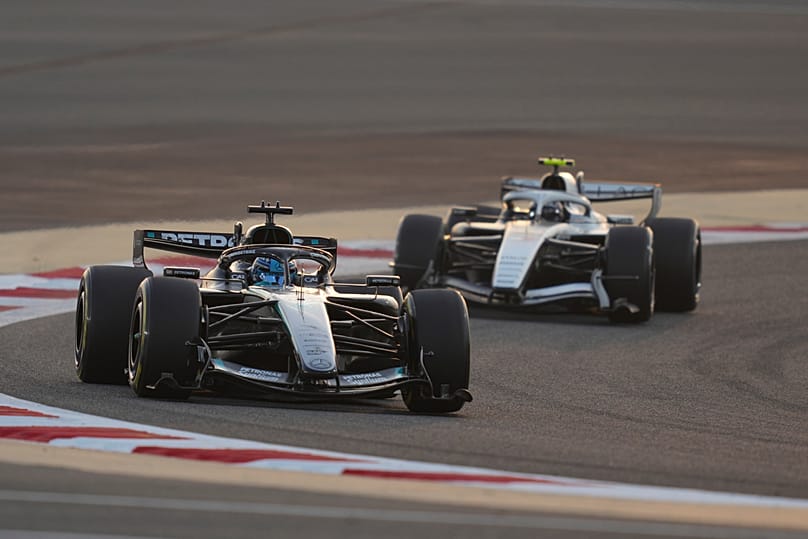
On track, new power unit regulations mean a more demanding season. Teams will be learning how the power unit performs in real-life race conditions as the season progresses. This could mean tackling issues with engine reliability, where drivers face issues with power and unpredictable performance, during the course of the season.
From what they learn, engine suppliers will adapt the power units to weed out reliability issues for future seasons under this set of regulations.
There are also new features, such as “Overtake Mode,” which gives drivers extra electrical energy if they are within a second of the car ahead of them and can be deployed at a detection point on the track.
This is one of the replacements for the Drag Reduction System (DRS), which allows drivers to open a flap on the rear wing, reduce downforce, and go faster in designated zones to attack a rival within a second ahead of them.
The death of DRS and New Aerodynamic Features
DRS has also been replaced with“Active Aero,” a new feature to manipulate the amount of downforce pressing against the car. It consists of movable front and rear wings that will reduce drag in designated areas of the track. Drivers can use it on every lap and they do not need to be within a certain gap of the car in front of them.
The flaps can be adjusted between two modes. The“Z mode” will generate high downforce — crucial in corners — and cars will automatically return to this mode when braking.
The “X mode” will reduce drag and can be activated in specific zones, propelling the cars to higher speeds on the straights. Unlike Overtake Mode, Active Aero is not solely intended to help drivers attack. With power units that rely much more on electric power, this aerodynamic feature can help conserve energy by reducing drag on the straights.
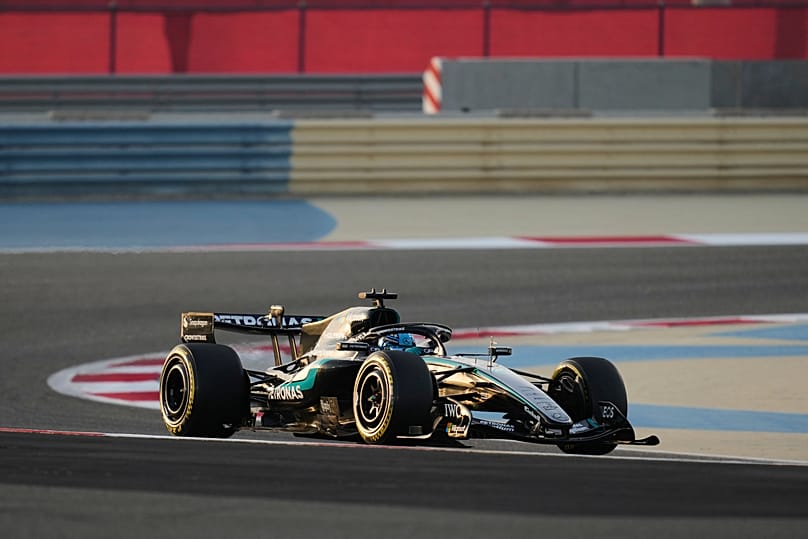
Teams and drivers are navigating what these new features can mean for racing. “We are all used to a certain format…but next year [2026], every driver will be running moveable front and rear wings together, at many points in the lap, and they will be using the energy to help overtaking,” Mercedes’ Deputy Technical Director, Simone Resta, said in December.
“It’s going to be different and potentially quite more unpredictable in the way that the drivers will use the energy to overtake.”
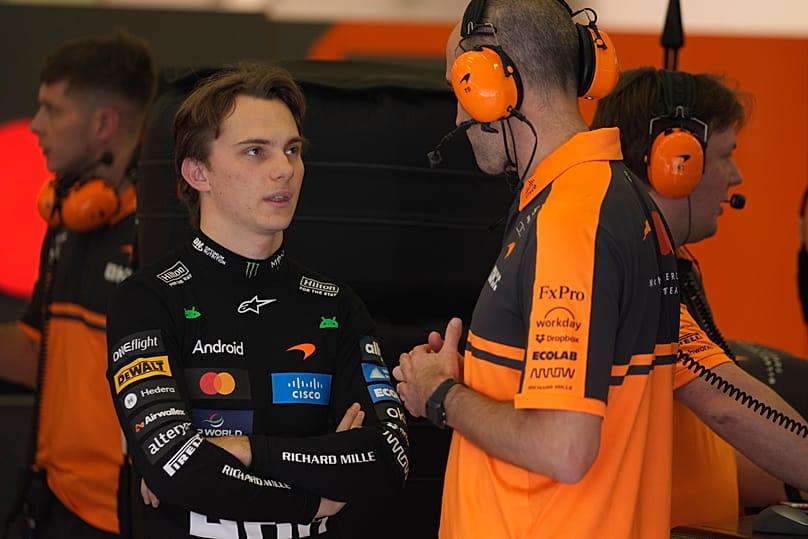
Technology in Testing: Teams to watch
Pre-season tests in Bahrain this February were a first look at how teams have interpreted the new technical regulations, revealing the innovations to look out for as the season begins.
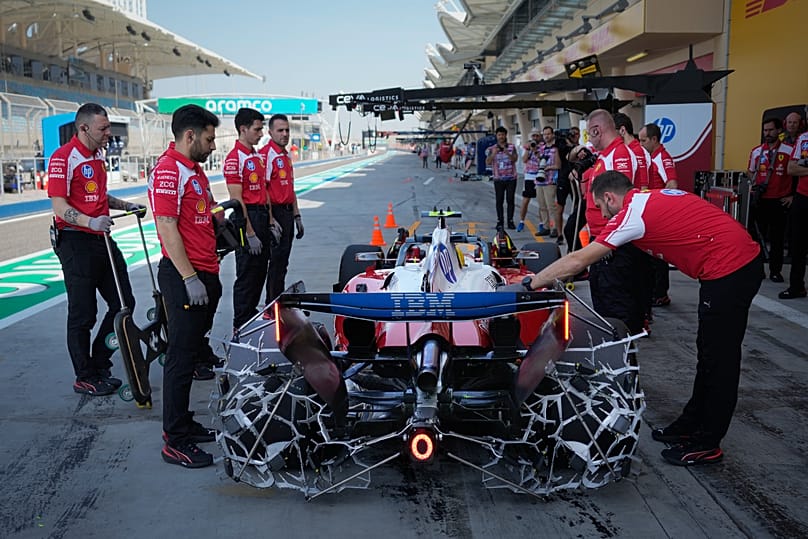
Ferrari’s Charles Leclerc set the fastest time in the final pre-season test, and the team’s approach to the rules has produced some ingenious solutions.
According to F1TV’s Tech Talks, Ferrari-powered teams seem to have prioritised their race start when designing the power unit. Ferrari also has a rotating rear wing and a plate behind its exhaust tailpipe.
Mercedes emerged as another strong contender for this season. Both cars set some of the fastest lap times in both pre-season tests and completed the most laps in the second test, according to F1.
Mercedes, which is the power unit supplier for three teams, Mercedes, McLaren, and Alpine, was also embroiled in a pre-season controversy concerning their engines, which may lead to a mid-season revision of the rules, according to the FIA.
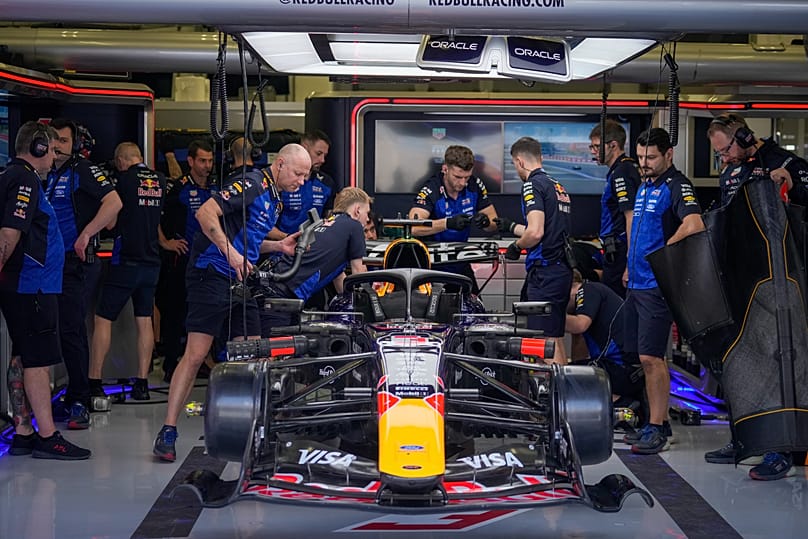
Red Bull is also now developing its own power units for Oracle Red Bull Racing and Visa Cash App Racing Bulls, through a partnership with Ford.
Sustainable Fuels
This year, F1 is using Advanced Sustainable Fuels to power the cars. This is a synthetic fuel derived from sources like non-food biomass and municipal waste, according to the FIA.
In collaboration with the UK-based non-profit Zemo Partnership, the FIA developed the Sustainable Racing Fuel Assurance Scheme (SRFAS) to verify whether all F1 racing fuel meets the FIA’s criteria.
The fuels were used in previous Formula 2 and Formula 3 championships. According to F1, the duels are designed to be ‘drop-in,’ meaning a synthetic fuel that is an interchangeable substitute for conventional fuels and compatible with existing engines and power unit technologies.
F1 is trying to stay road-relevant and produce innovations that can transform everyday life.
“The long-term goal is to make these fuels accessible to the vehicle transportation market, reducing greenhouse gas emissions in the transportation sector,” the FIA said.
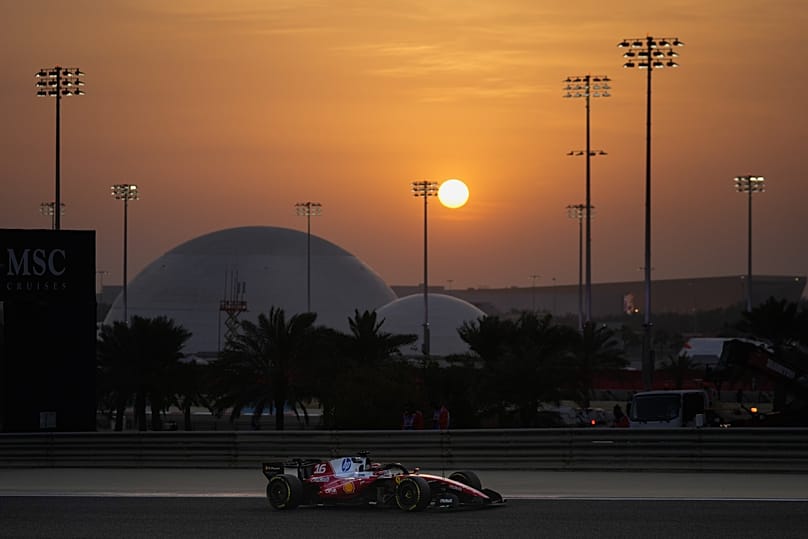
The innovations displayed at F1 this season may be adapted for everyday road cars and develop sustainability in motorsport.
"The biggest challenge is probably that we are starting from scratch on everything-new tyres, new fuel, new engine, new chassis, new sporting regulations-new everything. It's quite challenging,” Ferrari team principal Frederic Vasseur told Sky Sports.
“But somehow, it's also the DNA of our sport to have this kind of challenge.”