













GSMA's director general, Vivek Badrinath, spoke to Euronews about what to expect from the technology conference and issued a stark warning to Europe over its 5G deployment.
The Mobile World Congress opens its doors on Monday for what will be its 20th year in Barcelona.
 ADVERTISEMENT
ADVERTISEMENT
ADVERTISEMENT
The technology conference where connectivity is chief has outgrown its origins as a platform for the latest smartphone launches and is focusing this year on AI innovations, the IQ Era (AI’s integration), the future of airport travel, as well as discussions on 5G and 6G.
As well as all the promises of technology, the show will also feature a stark warning that regulatory and investment issues are holding Europe back from deploying 5G technology, Vivek Badrinath, director general of GSMA, which hosts the conference, told Euronews Next.
While the United States and China have taken the lead in 5G (5GSA), delivering real-world industrial automation in ports and factories, Europe is currently idling at a mere 3 percent 5GSA deployment, the GSMA chief said, adding that “something is wrong".
Chicken and egg problem
The delay is a "chicken and egg" problem, he said. Without widespread coverage, European enterprises cannot invest in 5G-dependent robotics or AI, because there is no demand, and the rollout remains stagnant.
"If we don’t roll out 5G properly... you’re out of the game. We can talk all we want about competitiveness, but without the networks to support these technologies, we won't progress," Badrinath said.
European regulation will be a key topic in Barcelona as telecom leaders urge for reform around Europe’s Digital Network Act (DNA), the bloc’s plans to “modernise, simplify and harmonise EU rules on connectivity networks”.
In October, a joint letter by telecom operators to EU Commission chief Ursula von der Leyen urged “bold reforms” for better connectivity and warned of missing out on a digital future.
Much of the reason for this is that while the US and China have three major operators, with customer bases ranging from 150 million to 450 million per provider, Europe has a fragmented market with around 200 operators who average 5 million customers.
This lack of scale means it is financially impossible for European firms to match the R&D and infrastructure spending of global rivals, the telcos argue.
With a couple of commissioners at the MWC, it could present an opportunity for dialogue between Europe’s regulators and telecom companies.
The ministerial programme is expected to draw a significant government audience — last year saw 111 heads of regulatory agencies and 66 ministers attend, making it one of the largest gatherings of government officials.
What else to look for at MWC
But discussions at MWC 2026 will not just focus on politics.
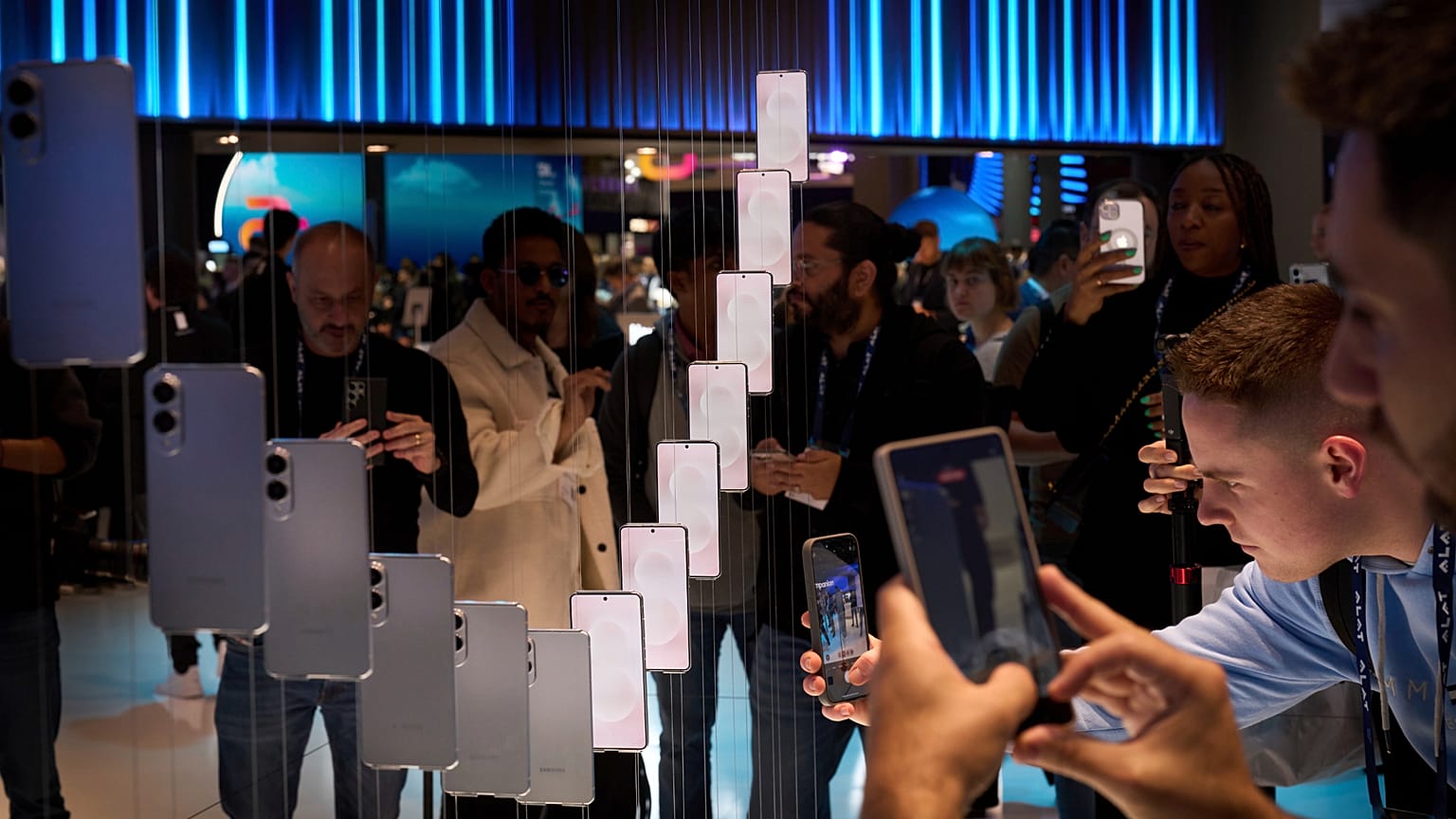
“MWC is the place where business gets done," Badrinath said and there will also be several “ pretty snazzy devices" on display.
Of those innovations, he teased Honor’s foldable robot phone. Asked about the rumours of the Chinese company’s first humanoid robot on show, he declined to answer.
There are also two novelties at MWC.
The first, dubbed Airport of the Future, will be a space showing how connectivity is transforming the aviation and air travel industry — from airlines and airports to baggage handling systems.
The second innovation is called New Frontiers, which will look beyond AI to showcase emerging technologies, including quantum computing, robotics, and non-terrestrial networks (NTN) such as satellites.