


















Although the exact number of beneficiaries is unknown, around 80,000 Sahrawis are believed to be eligible, with some estimates reaching almost 200,000 when including descendants.
Spain's parliament backed a law on Thursday granting citizenship to tens of thousands of Western Saharans who were born when Spain ran the disputed territory, which is now largely controlled by Morocco.
 ADVERTISEMENT
ADVERTISEMENT
ADVERTISEMENT
The text grants Spanish nationality to Sahrawis born before 29 September 1977 and to their children through a certificate of naturalisation, considering that date the effective end of decolonisation. This also applies to those who do not legally reside in Spain.
Although the exact number of beneficiaries is unknown, around 80,000 Sahrawis are believed to be eligible, with some estimates reaching almost 200,000 including the descendants.
The law passed by 168 votes to 31 despite the People's Party (Spain's main centre-right opposition party) abstaining, and the far-right party Vox voting against it. Both parties had originally supported the bill in its early stages — at a time when the governing Socialist Party itself was reluctant to move it forward.
The Catalan pro-independence party Junts also abstained. The law will now have to be approved by the Senate before receiving final approval, at which point beneficiaries will have three years from its official publication to apply for nationality.
To qualify, applicants must prove their status using a valid document — a Spanish ID card, an entry in the UN-verified census compiled for a planned (but never held) referendum on Western Sahara's status, or a birth certificate. Less formal documents, such as school records, retirement pension paperwork, a Spanish driver's license, or hospital and medical records, can also be used as evidence.
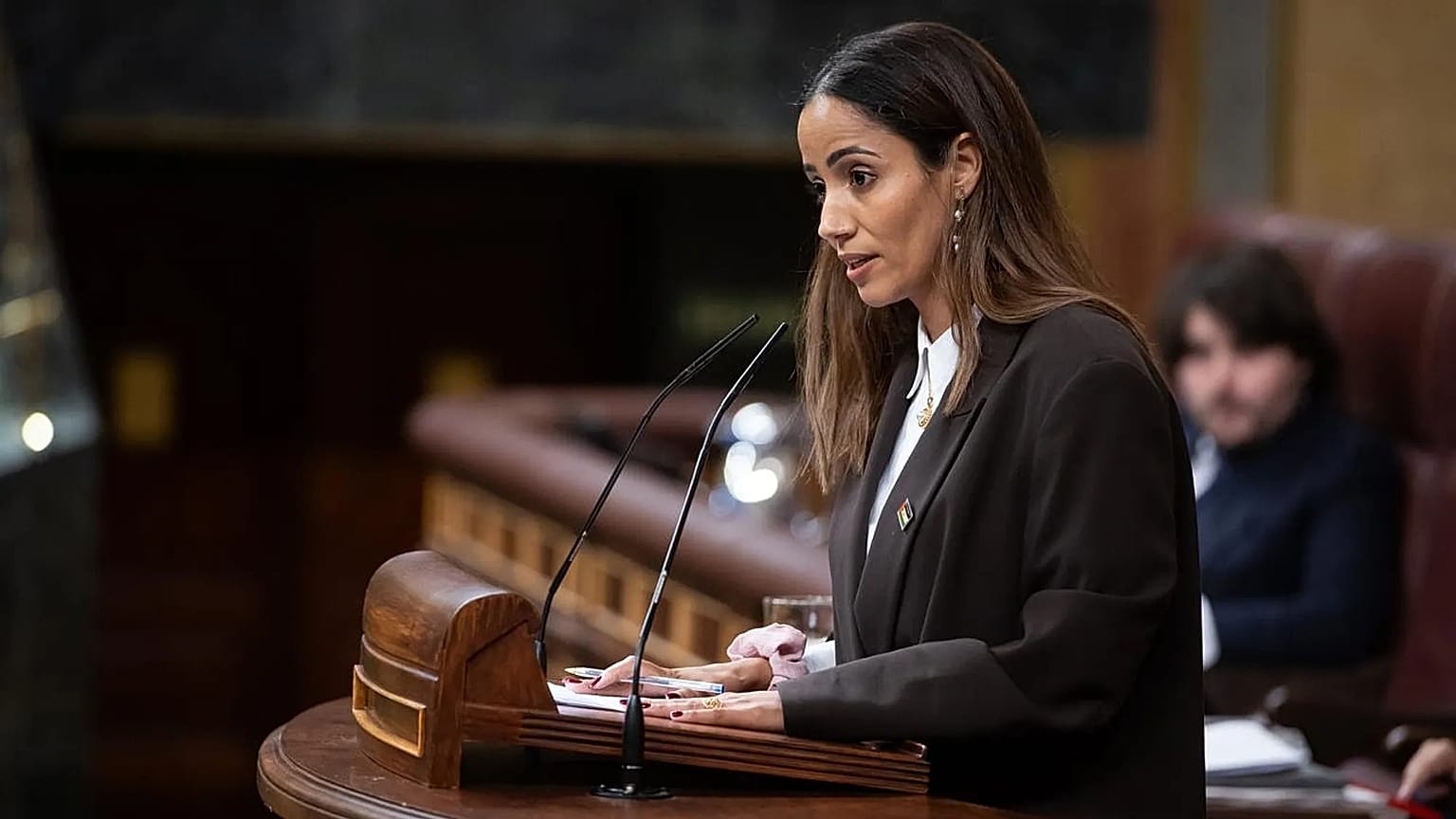
The bill was championed by Sumar, the smaller party in Spain's coalition government, whose members include Tesh Sidi, an engineer born in the Sahrawi refugee camps in Tindouf, Algeria.
"We are correcting a historic injustice: cutting the process down to two years once you have legal residence in Spain. Until now, Sahrawis had to wait 10, 14, or even 24 years to apply for Spanish nationality, despite having a Spanish father and legal residence," Sidi said, defending the bill. "Abstaining or voting no means siding with Morocco."
Diplomatic implications
The law has implications for relations between Spain and Morocco. Western Sahara has been largely controlled by Morocco since 1975, but the United Nations considers it a non-self-governing territory.
Morocco's decades-old and ongoing conflict with the Algerian-backed Polisario Front, which seeks independence for the Sahrawi people, had long been a thorny issue for Spain.
But Madrid shifted its long-standing position of neutrality in 2022 and backed Rabat's autonomy plan for the former Spanish colony as part of a diplomatic rapprochement.
Madrid's policy towards Rabat is now under fierce criticism after tens of thousands of migrants streamed into Ceuta from Morocco in late July's unprecedented and deadly rush.
The leftist government has avoided blaming Morocco -- which claims sovereignty over Ceuta and Spain's other north African territory of Melilla -- but the right accuses Rabat of orchestrating the surge for political motives.
Against this backdrop, the initiative to grant Spanish nationality to Sahrawis has divided opinion in Morocco but not prompted condemnation from the government.