






























The emblem of Provence, which attracts thousands of tourists every year, isn't as profitable as before. Lavender has become a burden for many farmers who are operating at a loss and choose to diversify to survive.
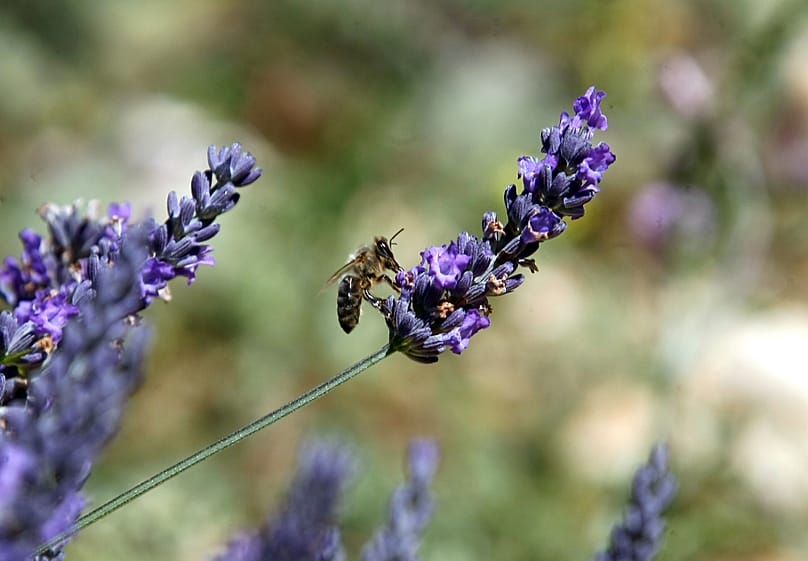
As summer begins, thousands of tourists will soon take a stop on the side of the road on the plateau de Valensole, southern France, to take a selfie in front of lavender fields. But these Instagram-worthy landscapes are threatened, as some of them are no longer as profitable.
 ADVERTISEMENT
ADVERTISEMENT
ADVERTISEMENT
Farmers are starting to shift their production to pistachio, pomegranate or almond trees, whilst others are turning to a booming sector: laying hens.
Two chicken coops are set to appear in the lavender fields of the plateau de Valensole, each of them to raise 25,000 laying hens.
In the remote village of Roumoules (140 inhabitants), a building permit has been issued to a farmer allowing him to build a giant coop on several hectares.
This decision sparked dissent from some of the locals, who would have preferred a smaller, less industrial project. Some others welcome the initiative, looking forward to buying locally produced eggs.
A necessity to sustain activity
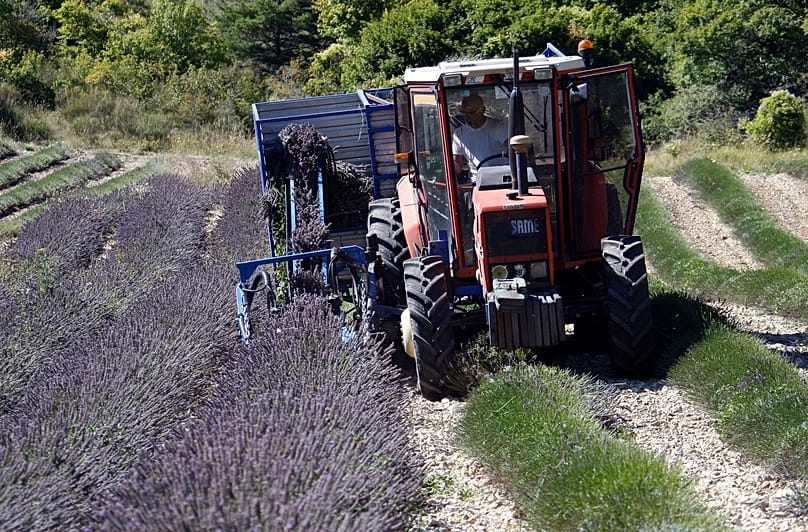
Farmers in the area confirm that lavender has become a delicate crop, vulnerable to adverse weather conditions, which is less and less profitable.
"There was an oversupply at one point, so prices dropped significantly, and unpredictable weather means we’re getting lower yields," says Ludovic Chaillan, farmer in Roumoules. "We’re looking for a more stable form of diversification to ensure a steady income."
The lavender and fennel farmer will soon be raising 25,000 laying hens in his fields, providing him with an expected income of €2,500 every month.
For Jacques Richier, the mayor of Saint-Jurs, a neighbouring village, the coops won't affect the landscape: "The farm is several kilometres from the village, it won’t be visible. The building will cover 2000m² of land, which is nothing big."
He also says egg production may well be a profitable way to improve the local economy: "Of course, I want the farmers to stay," says the mayor to Euronews. "It’s lovely for the landscape when farmers grow lavender, sage and immortelle. But eggs are a major economic sector."
State-sponsored initiative
These projects have been made possible by a national Agricultural Emergency Act approved by the French Parliament. This act facilitates installing chicken coops in the Provence region as well as lifting administrative barriers for farmers and towns.
An initiative boosted by rising egg consumption. In France, 237 eggs are eaten every year per person. But supply hasn't followed, making hens farming a profitable activity for farmers.
The government seeks to establish a specific legal framework for poultry houses. The current procedure, which applies to flocks of over 40,000 laying hens, is similar to that used in the industrial sector.
This implies that environmental impact assessments and a public consultation must be carried out at the farmer’s expense, which ultimately leads to them giving up.
Two other similar projects are being worked on in the region. The egg national committee estimates that 300 more poultry houses will be needed by 2030 to achieve self-sufficiency.