




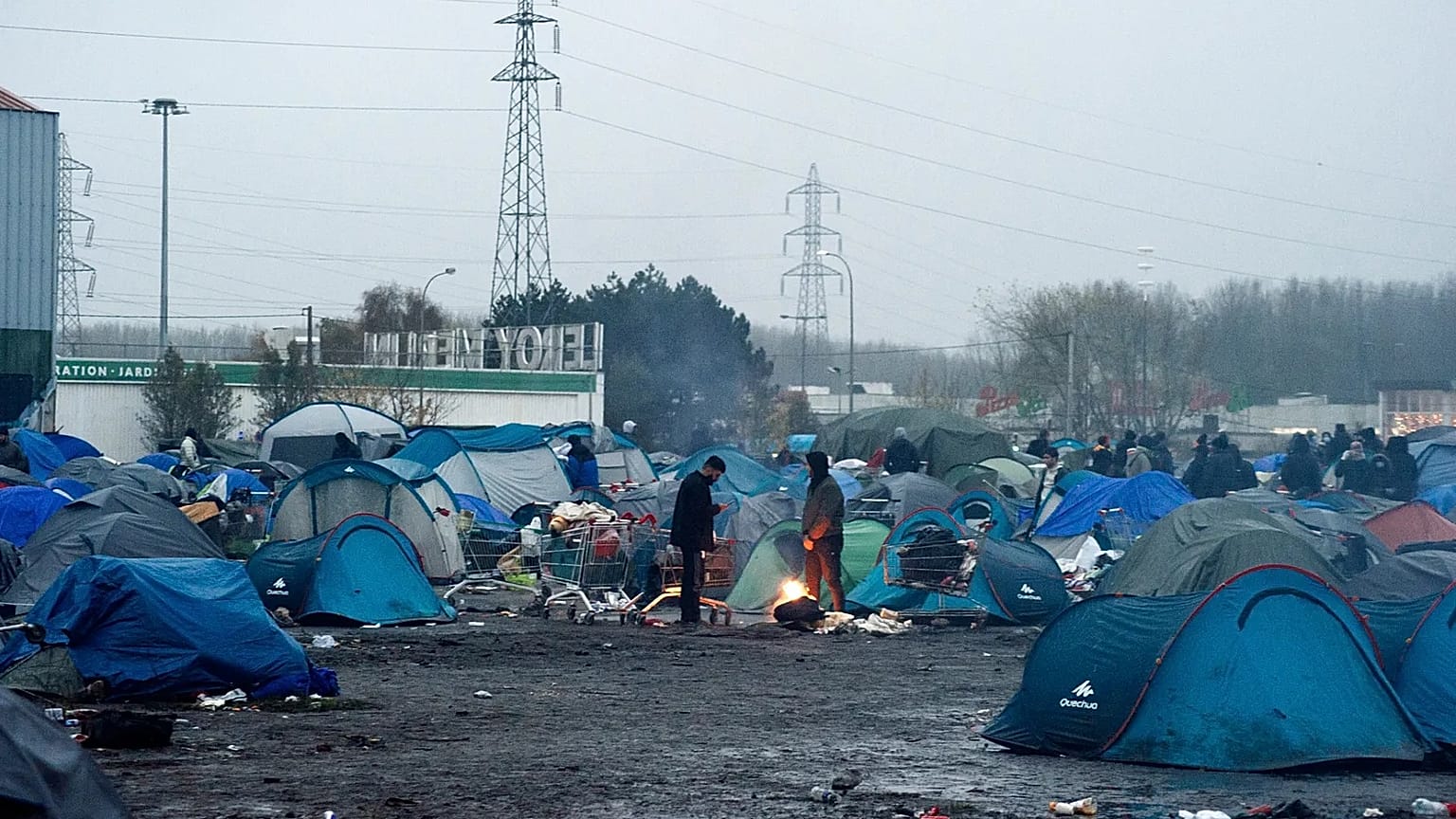













The European Commission has presented its five-year stretegy on migration, which includes incentives for non-EU countries to cooperate in keeping irregular migrants outside the bloc.
The European Union is set to pursue a policy of "assertive migration diplomacy" in the next five years, according to two non-legislative documents presented by the European Commission on Thursday.
 ADVERTISEMENT
ADVERTISEMENT
ADVERTISEMENT
The proposals include reinforcing the bloc's system of partnerships with third countries, using visa access, trade and financial support as leverage to push foreign governments to take back their nationals and stop illegal departures towards Europe.
This will include upgrading a visa suspension mechanism for countries considered insufficiently cooperative with the EU's border policies.
The first document, called European Asylum and Migration Management Strategy, is a blueprint for the Commission's approach to the next five years, and is broadly in line with the current strategy: tightening borders, deploying sophisticated technologies to track non-EU nationals entering the bloc, and improving returns of irregular migrants to their countries of origin.
The Commission insists that all the measures will be rooted in the respect of fundamental rights, and underlines that a pillar of the strategy also aims to attract talents and skilled migrants to boost competitiveness and fill the gaps in the EU labour market.
"The priority is clear: bringing illegal arrival numbers down and keeping them down", said EU Commissioner for Internal Affairs and Migration Magnus Brunner.
Irregular border crossings decreased in 2025 to 178,000, a 26% year-on-year decline that fits an overall downward trend, according to data released by Frontex.
The second document, called EU Visa Strategy, is strictly connected with the migration strategy, as the first of its pillars is dedicated to "strengthening the EU's security". Beyond the visa suspension mechanism, a stronger monitoring of current visa-free regimes and new ways to strengthen travel document security are foreseen.
A revision of the EU rules on visas could also involve targeted restrictive measures to suspend, refuse, or restrict visa applications "in response to hostile actions by third countries that undermine EU security".
Brunner and Henna Virkkunen, Executive Vice-President of the European Commission for Technological Sovereignty, Security, and Democracy, did not mention any specific foreign state, but EU officials say Russia and Belarus are top of the list.
Commissioner Brunner also offered no judgement on the recent decision by the Spanish government to grant the right to stay in the country to around 500,000 irregular migrants, saying that the decision is a national responsibility.