
















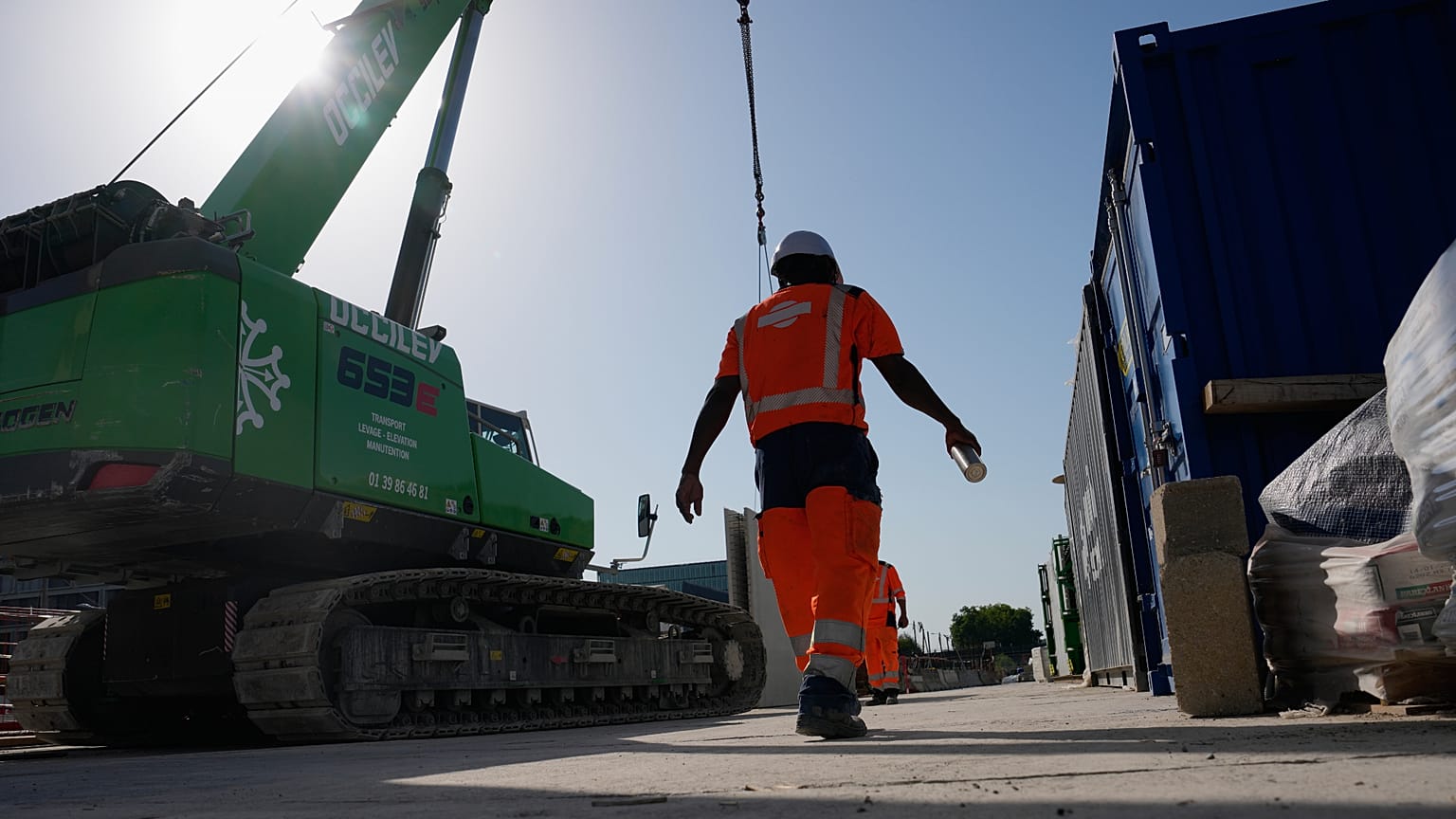













The European Trade Union Confederation is pressing the European Commission to set a maximum working temperature law, warning that extreme heat now poses a predictable and preventable threat to workers across the continent.
“Cooling breaks” for all workers? A European trade union organisation calls on the European Commission to introduce breaks for workers amid a record-breaking heatwave.
 ADVERTISEMENT
ADVERTISEMENT
ADVERTISEMENT
“The cooling breaks being used at the World Cup have put the spotlight on the danger posed to workers by extreme heat and the kind measures that can be taken to keep people safe,” Esther Lynch, General Secretary of the European Trade Union Confederation (ETUC), said.
She added that, while workers would need longer than three minutes to recover from heat exposure, the practice is a good example of how work can be adapted to the changing climate.
“We need a maximum working temperature law that gives all workers the right to paid breaks, water and toilets too,” Lynch told Euronews Health.
Workplace heat stress causes physiological strain in the body that can lead to exhaustion, pathological conditions and death.
Deaths at work due to extreme heat have increased across Europe over the past few years.
The latest data from the World Health Organization noted that more than 2.4 billion workers are exposed to excessive heat globally, resulting in more than 22.85 million occupational injuries each year.
According to the WHO, in order to sustain an eight-hour work shift, core body temperature should not exceed 38°C.
Long-term exposure to high temperatures carries significant health risks, raising the chances of cardiovascular conditions, worsening respiratory disease and contributing to other conditions such as chronic kidney disease or infertility.
Who is most at risk?
While heat affects all workers, some jobs and health conditions put people at a greater risk.
Older workers, people with chronic health conditions, pregnant women and those performing very intense physical jobs are more vulnerable to the high temperatures.
“People working outdoors in construction or agriculture are obviously at high risk of heat exposure, but almost half of all workers are exposed to heat at work,” Lynch said.
What can be done to help workers?
Heatwaves are expected to become increasingly common and workplaces are working to adapt to this new reality.
Adjustments such as flexible working time, regular breaks and job rotation are the most common measures to prevent heat stress and climate change-related risks at work, according to the European Agency for Safety and Health at Work.
“Employers need to recognise that heat is now a predictable work-related risk and must be prevented through planned protective measures being discussed in advance,” said Lynch.
She noted that the current problem across Europe is a “patchwork of inadequate and outdated national laws and voluntary guidance from the European Commission”.
“Climate change is not a problem that respects borders, so we need binding European legislation and investment in labour inspectorates to ensure it’s being respected,” Lynch added.