












Lithuania — a Baltic country of 2,8 million — plans to tackle medical deserts by sending junior doctors to remote regions. Junior doctors oppose what they see as a “populist” move.
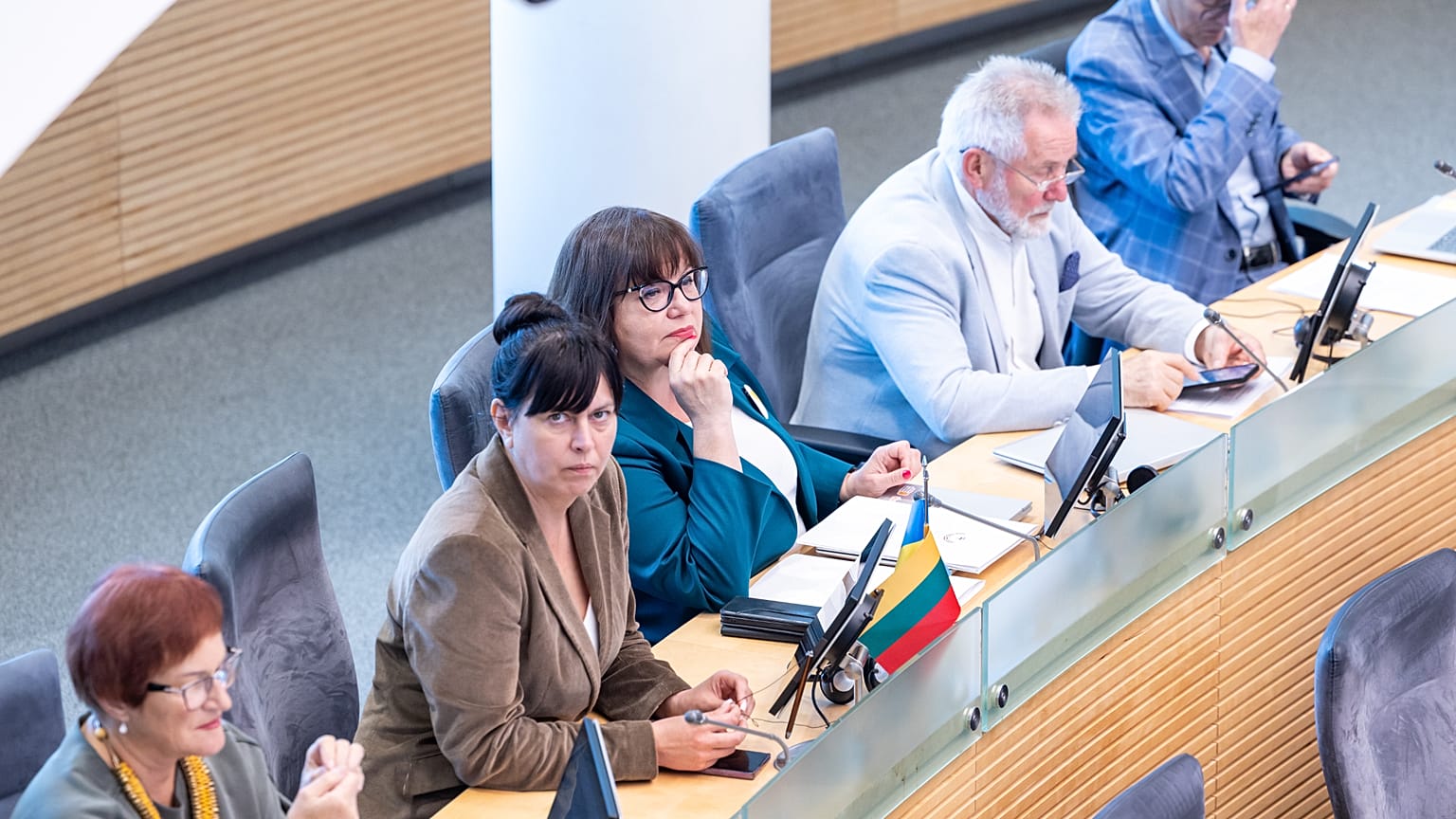
On Thursday, the Lithuanian parliament voted in favour of introducing additional state-funded medical residency positions.
 ADVERTISEMENT
ADVERTISEMENT
ADVERTISEMENT
But there is a catch.
The state pays, but the junior doctor, upon admission, signs a contract committing to work for five years in a region that is facing a lack of health care professionals after their residency.
The junior doctors are not impressed and plan to take the case to the Constitutional Court.
“The chosen measure is populist,” Laurynas Maciulevičius, Lithuania’s Junior Doctors Association president, told Euronews Health in a written comment. While the aim is to ensure access to healthcare in regions that face a lack of health professionals, “it does not answer the fundamental question: why do doctors choose, or choose not, to work in regional areas?” Maciulevičius said.
According to social democrat Orinta Leiputė, one of the initiators of the changes, junior doctors will be able to choose to complete residency without committing to work in regions for five years.
“This is a possibility to choose,” Leiputė said in a press release. “If a young doctor does not want studies with obligations, they simply will not choose them and will apply for the places that already exist without an obligation.”
But the chance to get such a place is slim.
Only 20 of 385 state-funded medical residency positions across the country will not require five-year assignments in regions. Leiputė added that the number of state-funded places without obligations remains as it is now. Junior doctors can also choose non-state-funded positions.
Lithuania has more doctors available per 10,000 citizens than the WHO European Region average, placing it ahead of Switzerland and just below Germany. But the general number of doctors is shrinking across European countries amid ageing populations and unattractive working conditions. According to Leiputė, Lithuania will face a shortage of 269 family doctors, 207 internal medicine doctors and 146 paediatricians by 2032. Moreover, eliminating so-called medical deserts in rural areas is a struggle felt across most of the countries.
While junior doctors agree that regions need to ensure access to healthcare, the core of the issue remains unaddressed. “What regions need is not doctors assigned for five years, but a system in which doctors want to stay,” Maciulevičius said, adding that no analysis of the underlying causes, impact assessment, or clear justification has been provided as to why a five-year service obligation model would be the best measure.
Not a silver bullet
Social democrat Leiputė thinks this measure is not a silver bullet, but rather an addition to already existing initiatives aimed at attracting doctors to the regions, such as additional scholarships, relocation grants or housing
“Consideration is also being given to how regional positions can be made more attractive to older physicians who may no longer wish to work in university hospitals or major medical centres, where workloads are particularly demanding,” said Leiputė.
Liberals already condemned the changes, concerned that this will backfire. “‘The parliamentary majority has undermined the constitutional principle of the individual’s freedom of self-determination," the chair of the Liberal Movement said in a press release. “You cannot create forced equality in healthcare; on the contrary, coercion will only push even more doctors to leave and emigrate.”
Several European countries have adopted different strategies to address shortages of healthcare workers in underserved regions, according to the WHO report.
In Finland, authorities have sought to improve access to care by adjusting the geographical distribution of medical training places, expanding the role of nurses, and offering incentives such as higher pay and more flexible working arrangements to encourage doctors to settle in remote areas.
Latvia has taken a different approach. Medical schools give preference to applicants who commit to working in rural areas after completing their training. Doctors practising in underserved regions can also receive monthly bonuses, higher capitation payments and additional financial support, including funding for professional development.
The new rules should take effect from 2027.