





























Pfizer and Valneva's Lyme disease vaccine has shown promising results in clinical trials, paving the way for regulatory approval despite setbacks due to fewer cases than expected, according to the companies.
A Lyme disease vaccine has shown efficacy in a clinical trial and paves the way for marketing authorisation, pharmaceutical companies Pfizer and the French Valneva announced on Monday.
 ADVERTISEMENT
ADVERTISEMENT
ADVERTISEMENT
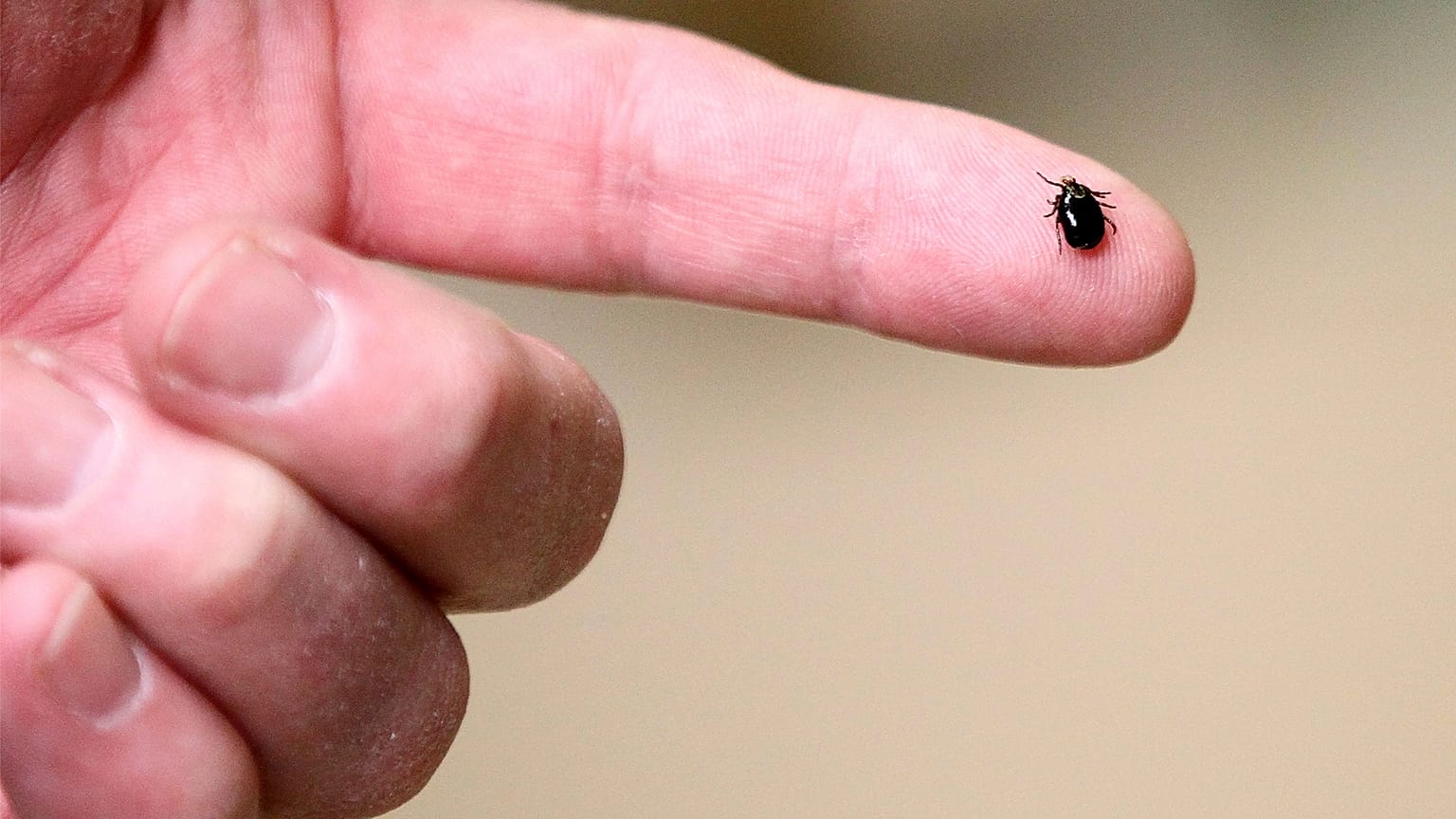
Lyme disease is a bacterial illness transmitted to humans through the bite of infected ticks.
Symptoms include fever, headache, fatigue, and a characteristic skin rash called erythema migrans.
The vaccine candidate, PF-07307405, demonstrated more than 70 percent efficacy in preventing Lyme disease in individuals aged five years and above in the latest clinical trial phase. It was well tolerated with no safety concerns identified at the time of analysis, the companies said.
There are currently no approved human vaccines for Lyme disease. PF-07307405 is the Lyme disease vaccine candidate that has advanced furthest in the clinical development timeline, with two Phase 3 trials completed.
The vaccine demonstrated efficacy of 73.2 percent from 28 days after the fourth dose in reducing confirmed Lyme disease cases compared to the placebo.
The trial was conducted among approximately 9,400 healthy participants from areas with endemic levels of Lyme disease, such as Europe, Canada, and the United States.
A commonly used benchmark for a vaccine to be approved requires trials to show a reduction in the risk of disease by at least 20 percent.
Due to fewer cases than expected during the trial, the first planned analysis didn’t meet this target as the lower bound of the confidence interval came in at 15.8 percent.
In a second analysis, however, the vaccine demonstrated clinically meaningful efficacy, with the lower bound of the 95 percent confidence interval at 21.7 percent.
The companies said that these results strengthen confidence in the vaccine candidate, and Pfizer is planning submissions to regulatory authorities.
“Lyme disease can cause potentially serious consequences – where individuals and families face symptoms that can disrupt daily life, work, and long-term health – and there is currently no vaccine available,” said Annaliesa Anderson, senior vice president and chief vaccines officer at Pfizer.