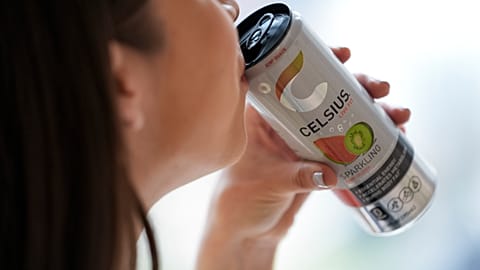

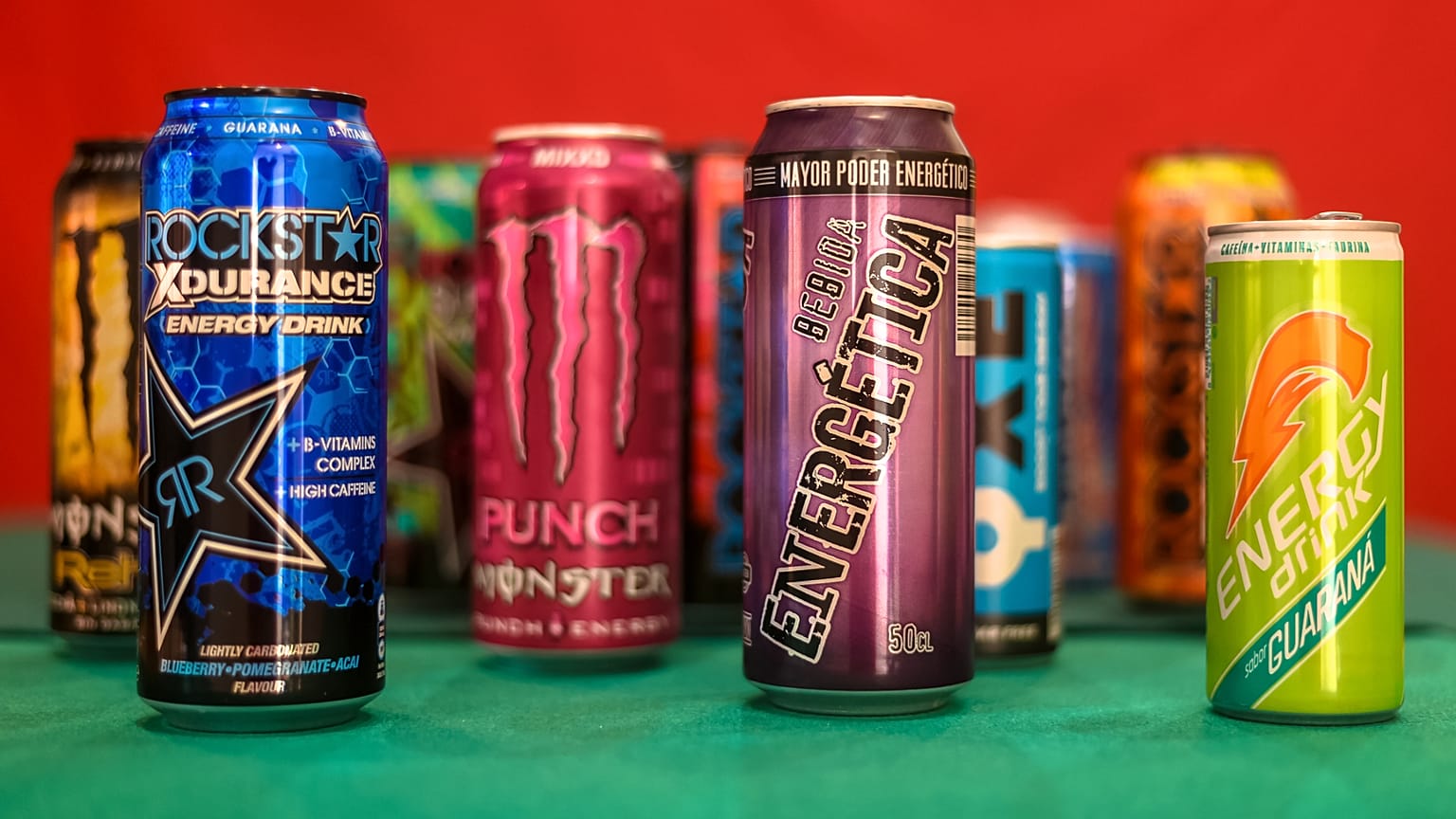













The Spanish government is moving ahead with a ban on energy drinks for minors, based on data that warns of the risks of caffeine in adolescents.
The Spanish government will implement a regulation to ban the sale of energy drinks to children under the age of 16, the country's social rights minister Pablo Bustinduy said on Wednesday.
 ADVERTISEMENT
ADVERTISEMENT
ADVERTISEMENT
The restriction will be even stricter for drinks with high caffeine content: those above 32 milligrams per 100 millilitres will not be allowed to be sold to children under the age of 18.
The initiative is part of a broader package of measures aimed at protecting children's and young people's health. Similar regulations already exist in other regions of the country; the central government is now seeking to unify the criteria.
The ban will join other initiatives adopted in recent years. Last week, the ministry included energy drinks in the restriction of advertising of foods considered unhealthy to minors. In 2024, the Royal Decree on Healthy and Sustainable School Meals already banned their sale in schools and colleges.
The announcement is supported by data from the barometer on food and energy drink advertising produced by the Spanish Agency for Food Safety and Nutrition (AESAN), which indicates that nine out of 10 people in Spain support the ban. Among respondents aged 18-35, support is 88.3 percent.
Regulation of children's food advertising
In addition, another regulation to restrict food advertising aimed at children is pending approval.
With this, Spain aims to reduce the exposure of minors to hypercaloric and unhealthy content that negatively influences their consumption habits.
"These advertisements are harmful to their health", insisted the minister, who appealed to the "duty" of companies in the sector not to promote products that harm children's right to health in Spain.
What is the legislation across Europe?
There is no European-wide legislation on energy drinks sales and consumption, and while most countries lack restrictions, some are introducing age bans due to health concerns over the high consumption among young people.
Lithuania and Latvia were the first countries in the European Union to prohibit sales to under 18s in 2014 and 2016, respectively.
Bulgaria, Hungary, Poland, and Romania have followed with restrictions on purchases and consumption. Measures include bans on sales in vending machines and at schools.
In Sweden, while there is no law imposing an age limit for energy drinks, the Swedish Retail Trade Association agreed in 2009 to restrict sales to minors under the age of 15.
The Czech Parliament is currently discussing a proposed ban on the sale of energy drinks to children under the age of 15.