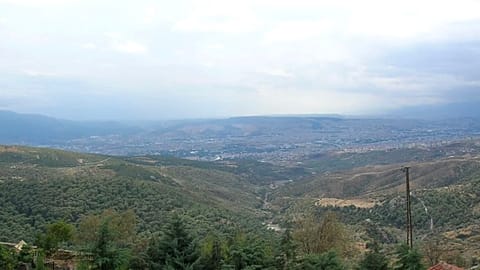
















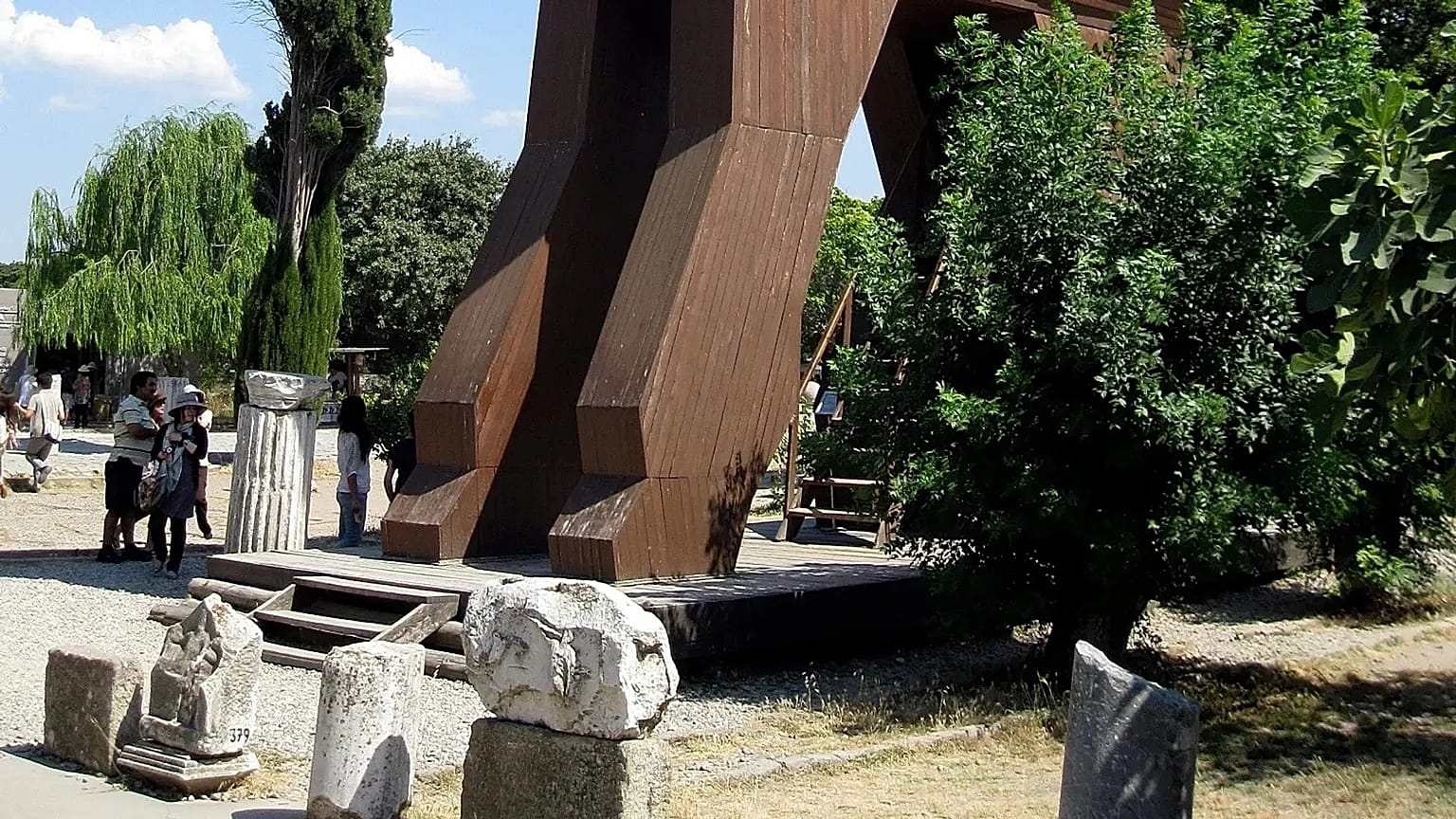













Excavations on Hisarlik hill in Turkey have uncovered the site’s oldest agora, proving Troy was resettled 80–90 years after the war, not deserted for centuries before the Aeolians arrived.
The ancient city of Troy, perched on the Hisarlik hill in north-west Turkey, continues to yield surprises for researchers and history enthusiasts, increasingly so with the release of Christopher Nolan's film The Odyssey.
 ADVERTISEMENT
ADVERTISEMENT
ADVERTISEMENT
Archaeological excavations carried out by the Turkish Ministry of Culture and Tourism and Çanakkale Onsekiz Mart University, launched in 2014, have uncovered the remains of the oldest agora in the city, dating back roughly 2,800 years.
Until now historians believed that the city had been completely abandoned for several centuries after its fall (traditionally dated to 1184 BC), until the arrival of the Aeolian Greeks in the 8th century BC, who renamed it Ilion.
What is Troy's archaeological history?
The rediscovery of the ancient city, which was added to the Unesco World Heritage list in 1998, has a long and complex history.
It was around 1870 that German archaeologist Heinrich Schliemann began the first digs based on Homer's epic poems, the Iliad and the Odyssey, dividing the site's chronology into nine main phases (from Troy I to Troy IX).
The area under investigation corresponds to a public space attributed to Troy VI (around 1700–1300 BC), regarded as the city's peak period before the legendary war.
The discovery of the new agora, together with the uncovering of a paved road leading to the southern gate and Iron Age ceramics, challenges the accepted historical narrative of a long phase in which the city stood empty.
As explained by Reyhan Körpe, deputy director of the excavations, the new settlers arrived just 80 or 90 years after the fall of Troy, reusing the old walls to build their houses.