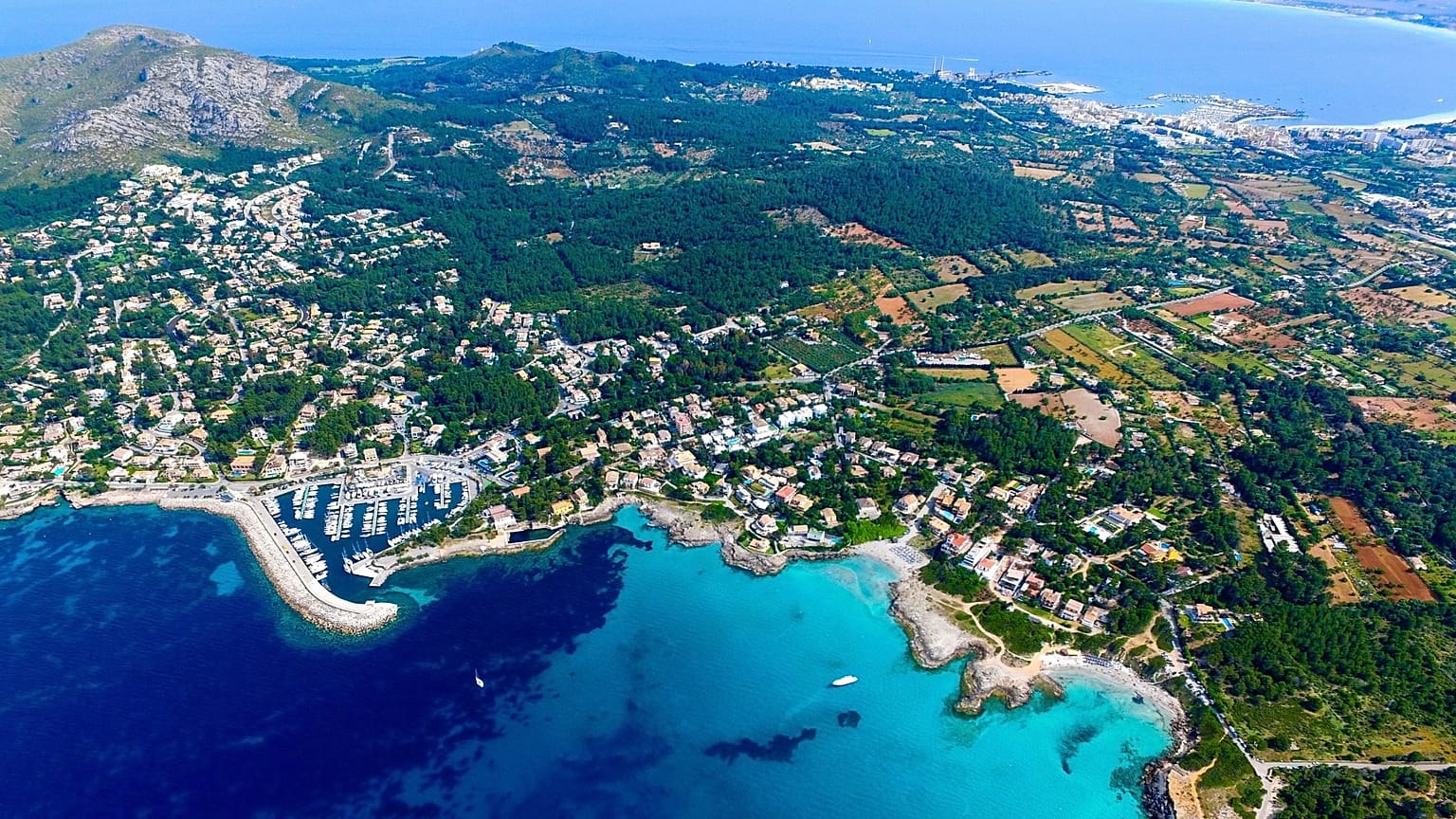













Authorisation has been granted to permanently close down the remaining coal-fired units on Majorca, marking a new era for the island.
Majorca is turning its back on coal for good as Spain continues to reap the benefits of its renewables boom.
 ADVERTISEMENT
Authorisation has been granted to permanently close coal-fired units three and four at the Es Murterar power station in Alcudia in the north of the island.
Endesa, Spain’s largest electric utility company, says the move will not compromise the security of energy supply but that it will continue to operate two gas turbines on the site.
Majorca closes coal site four years early
The closure, which the regional government considers a step forward in decarbonising the region, comes four years ahead of schedule.
“The country’s bet on renewables has been paying off,” says German-based non-profit Beyond Fossil Fuels.
“By phasing out coal and expanding solar instead of turning to gas, Spain has made energy bills less vulnerable to the gas crisis than most European countries.”
The announcement comes as the International Energy Agency (IEA) published a report highlighting how Spain’s rapid expansion of renewable power has “strengthened its energy security and competitiveness while cutting fuel import costs”.
Renewables save Spain billions, but one hurdle remains
Spain saved $26 billion (approximately €23.27 billion) in costs related to natural gas imports between 2011 and 2024, which has largely been attributed to its deployment of solar and wind power.
The country’s capacity to produce electricity from renewable sources more than doubled to 119 gigawatts (GW) over the past decade while greenhouse gas emissions fell by a fifth.
According to energy-think tank Ember, solar made up 21.9 per cent of Spain’s electricity generation share in 2025 while wind generated 20.4 per cent of its electricity mix.
Coal – often referred to as the dirtiest form of energy – only accounted for 0.9 per cent of its electricity generation last year but 21.5 per cent came from gas.
While Spain’s growing share of renewable power is helping to lower wholesale electricity prices and reduce its exposure to imported fuels, electricity only accounts for 25 per cent of its final energy consumption.
This is well below the country’s aim of 35 per cent by 2030 – a target reiterated by Türkiye ahead of the COP31 UN climate summit.
“Electric vehicle (EV) uptake is relatively limited, notably for corporate fleets, while fossil-fuel heating remains widespread and industry faces high upfront investment costs,” the report states.
A combination of taxes, levies and network charges is keeping end-user electricity prices high, while fossil fuels face comparatively lower charges in Spain.
However, the report notes that Spain is taking steps to address this, including by abolishing the tax on electricity production in 2026.
“Further rebalancing domestic energy price dynamics, while protecting vulnerable consumers, could strengthen incentives for households and businesses to electrify, and help industry capture the competitive advantages of renewable power,” the report adds.