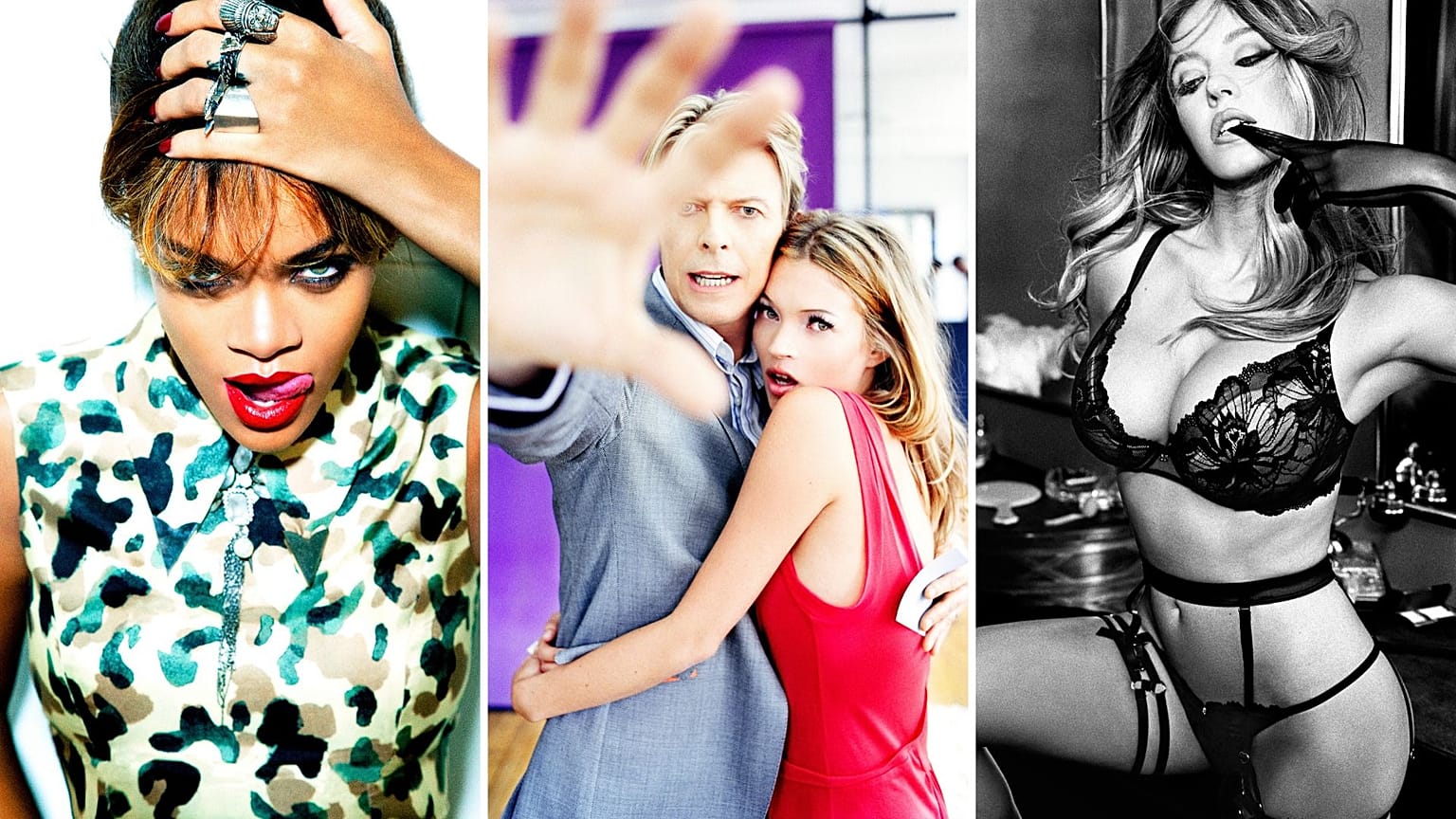














Euronews Culture sat down with the renowned German photographer Ellen von Unwerth to discuss her contribution to Maurizio Cattelan and Pierpaolo Ferrari's 2027 Toiletpaper calendar, her unique approach to fashion photography and the stories behind some of her most iconic images.
If you have ever seen a fashion photo where the woman looks like she is getting away with something — running in heels, laughing in lingerie, stealing a car in a ballgown — you have very probably seen an Ellen von Unwerth picture. You just might not have known it was her.
 ADVERTISEMENT
For more than three decades, the German photographer has made her name with portraits that are sensual, provocative and playful.
From luxury brand commercials to fashion magazines, she's been immeasurably influential over the years, having perfected a shooting style that's often been imitated. In short, von Unwerth hasn't just captured fashion, she's created it.
She's developed what's widely recognised as the 'female gaze' and changed who gets to be sexy, and crucially, who gets to decide.
Perhaps, it's because of the ten years she spent as a fashion model herself, and knowing all too well what it felt like to be told to "stand still and look pretty".
In this edition of European Lens, von Unwerth talks about her life and times, when she first picked up a camera, getting laughs on set and slipping into something comfortable with celebrities.
We also took the opportunity to have a sneak a peek at her one of her latest projects, a collaboration with Toiletpaper, the contemporary arts magazine set up by Maurizio Cattelan and Pierpaolo Ferrari.
You’re a former model, and you made your name through your particular eye and, most notably, the gaze through which you photographed women and the power you gave them in your pictures. How did you come up with that?
Ellen von Unwerth: Well, I think the biggest inspiration was actually being a model for ten years and being quite frustrated, because I always wanted to express myself in front of the camera, move, be silly and show my personality. Photographers were always saying, “No, no, no, don’t move. Look to the left, to the right, and just pose.”
I never felt really great about it. I always saw my model friends living their lives and being so beautiful. After ten years of modelling, my boyfriend at the time gave me a camera and said, “There’s a plus, a circle and a minus. When the circle lights up, you push the button.” It was my crash course.
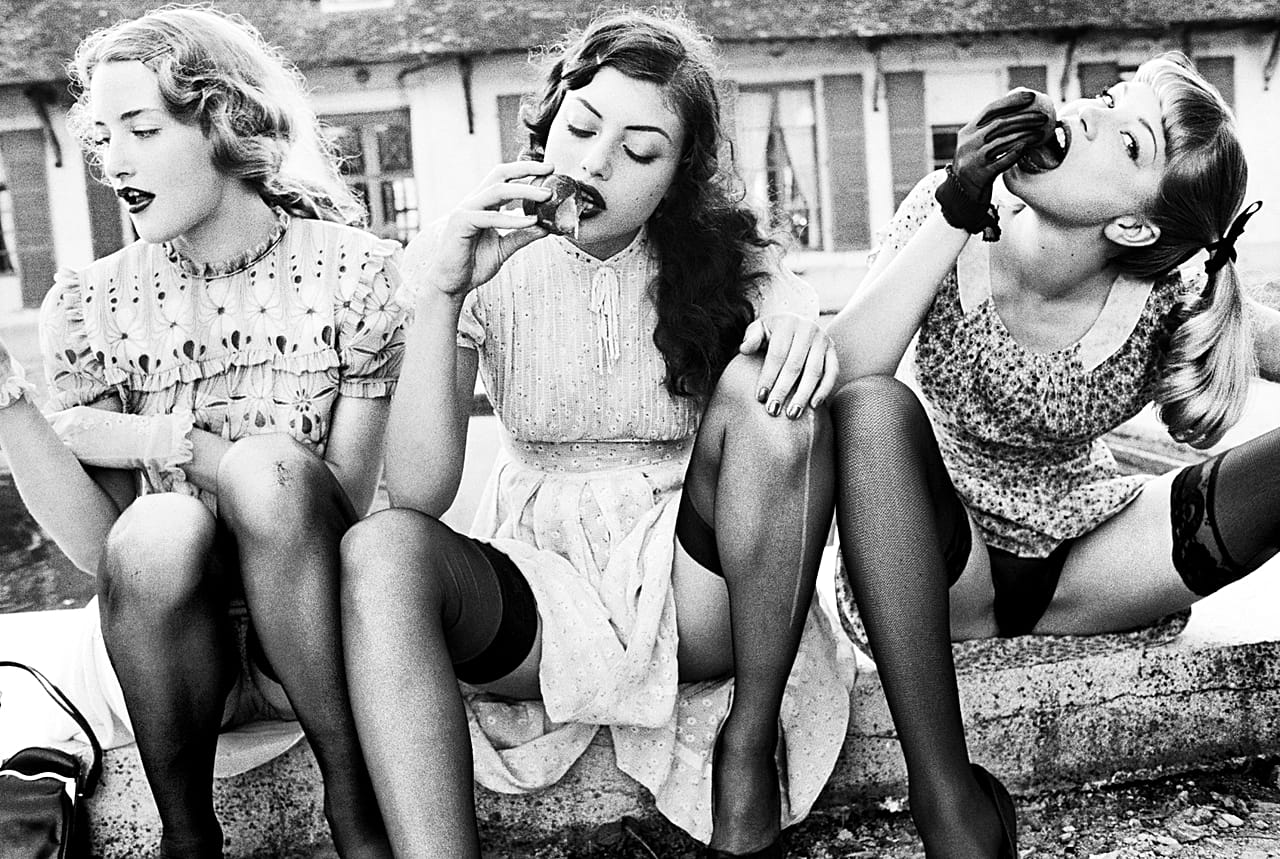
Then I started to photograph my model friends. I dressed them up in my clothes. I always had fun clothes, like vintage pieces from the flea market. I dressed them up and did their makeup. Quickly, I noticed that we had a great connection, and they behaved differently. They felt free and were playful. I became very passionate about it very quickly. We had a darkroom in our tiny apartment, and my boyfriend taught me how to print pictures. I started printing my pictures and got obsessed. I worked all night and stuck them to the walls in my little bathroom. That’s how I started.
Do you still surprise yourself? How has your approach has changed over the years?
It hasn’t really changed. Of course, I’ve had an amazing career since then, and I’ve been very, very lucky. I’ve met so many wonderful people. But I still love capturing life and those moments that are real and spontaneous. It’s such a great connection that I reach with people in that way.
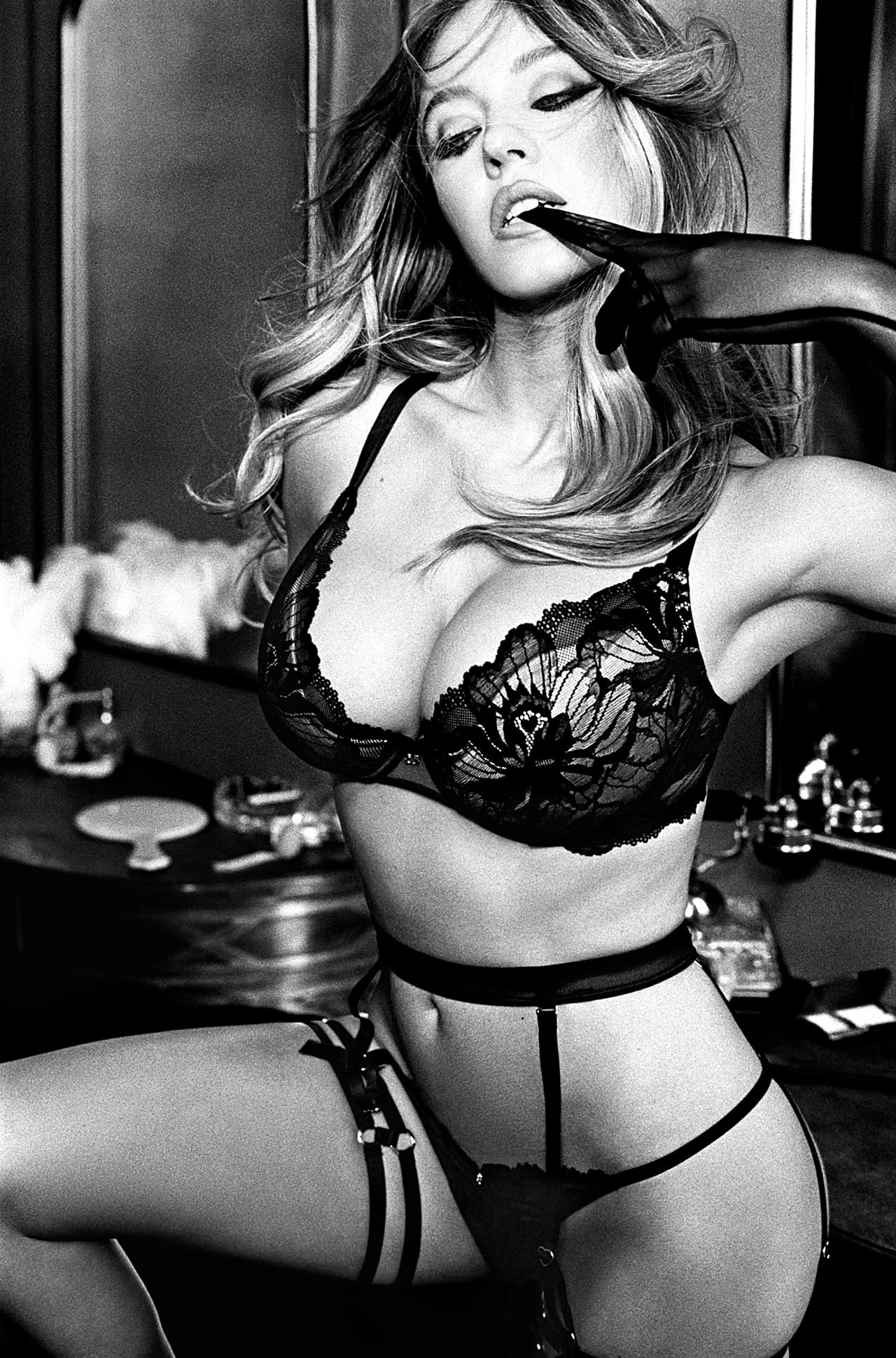
The recent story about Sydney Sweeney's ad campaign came to my mind as you spoke. In terms of objectifying women, do you think things have improved, or have they regressed?
Well, I never objectified women. That was my subject. I think Sydney Sweeney decides what she wants to do, and that’s what she wants to do. She doesn’t care, and I kind of think that's great. Of course, not everybody is happy about it, but she lives her life, and that’s how it should be.
I wanted to ask you about the techniques involved, especially technology and how that has evolved in photography. How do you use modern tools now? So many people now have high-powered cameras in their pockets. Does that affect your vision?
Well, mostly, everybody has a phone. People don’t even have cameras. It's actually rare to see people with cameras. Yes, of course, it has affected things enormously. I was maybe one of the last people to switch to digital because I loved film. I still love it, and I’m actually shooting more and more with film again.
With film, you have a certain grain and a certain quality. You can’t really change that afterwards, but with digital you have the RAW files and all the possibilities in the world to do what you want with them. It’s great, but it’s also more difficult to find your style. I had my style from before, and I’ve kept it, but there are lots of possibilities.
As I say, it’s more difficult to find your style. And, of course, there’s the iPhone. I love the iPhone, too. It’s incredible, with all the possibilities and options. You can film, edit and do so many things, and then you have Instagram as a direct outlet. But at the same time, there are so many images. There’s an overload of images, and people just scroll, scroll, scroll. Sometimes you spend so much time creating an image with a big team, and you think, "Wow, now it’s out," and two seconds later it’s gone.
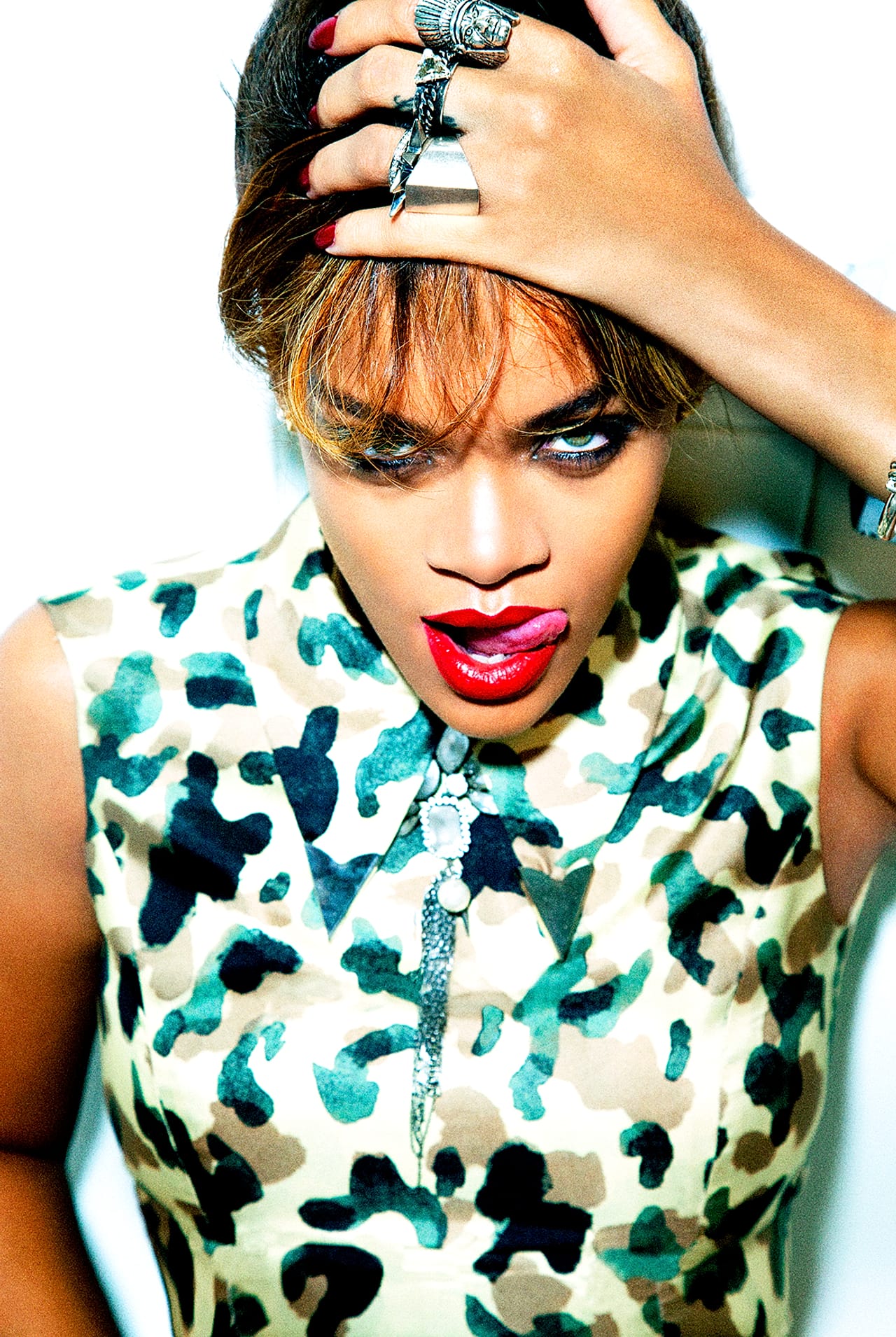
Do you feel that this has affected your process when you take pictures? Do you think, "Okay, this may be thrown away tomorrow"? Do you spend the same amount of time trying to compose and get the right shot?
Yes, because what I love about photography, first of all, is the teamwork. I love choosing the team: the people for the hair, makeup, styling and set design. I love it. I always say that if I wasn't a photographer, I’d be a circus director. It’s a little bit like that: you choose the team. You want them to be creative, but you also want to have a good time with them. For me, the fun is in creating. It’s not about thinking what’s going to happen tomorrow.
Then there’s the talent, of course. There has to be a connection with the person, whether it’s a model, a singer or an actress. I love the process, so I don’t think of it as throwaway, because fortunately I can make books and exhibitions. You think, "Oh, maybe one day that’s going to be on a wall and somebody will buy it" or whatever.
Let's talk about your relationship with the "talent", because so many of your photos are iconic. It always makes me think: how did you get them to do that?
That’s what I mentioned at the beginning. I think there’s something about me and my camera that makes people feel free in front of it. I don’t know; there's something special about the lens. Even animals start to behave weirdly.
Of course, I have my tricks. I always have music. I love disco music, something everybody can relax to. I see all my teams having fun and dancing in the background. Before I go on a shoot, I have to know that I can connect with those people. With some people, I know I won’t take great pictures. It’s something in their eyes, something in the way they are. It's more about their personality, really.
Looking back at your career, who stands out in your portfolio? Are there any pictures where you think, "Yeah, if I had to choose my top five, these are the ones I’m most proud of," or where there’s a backstory that makes you think, "I never thought we’d achieve that, considering how we started"?
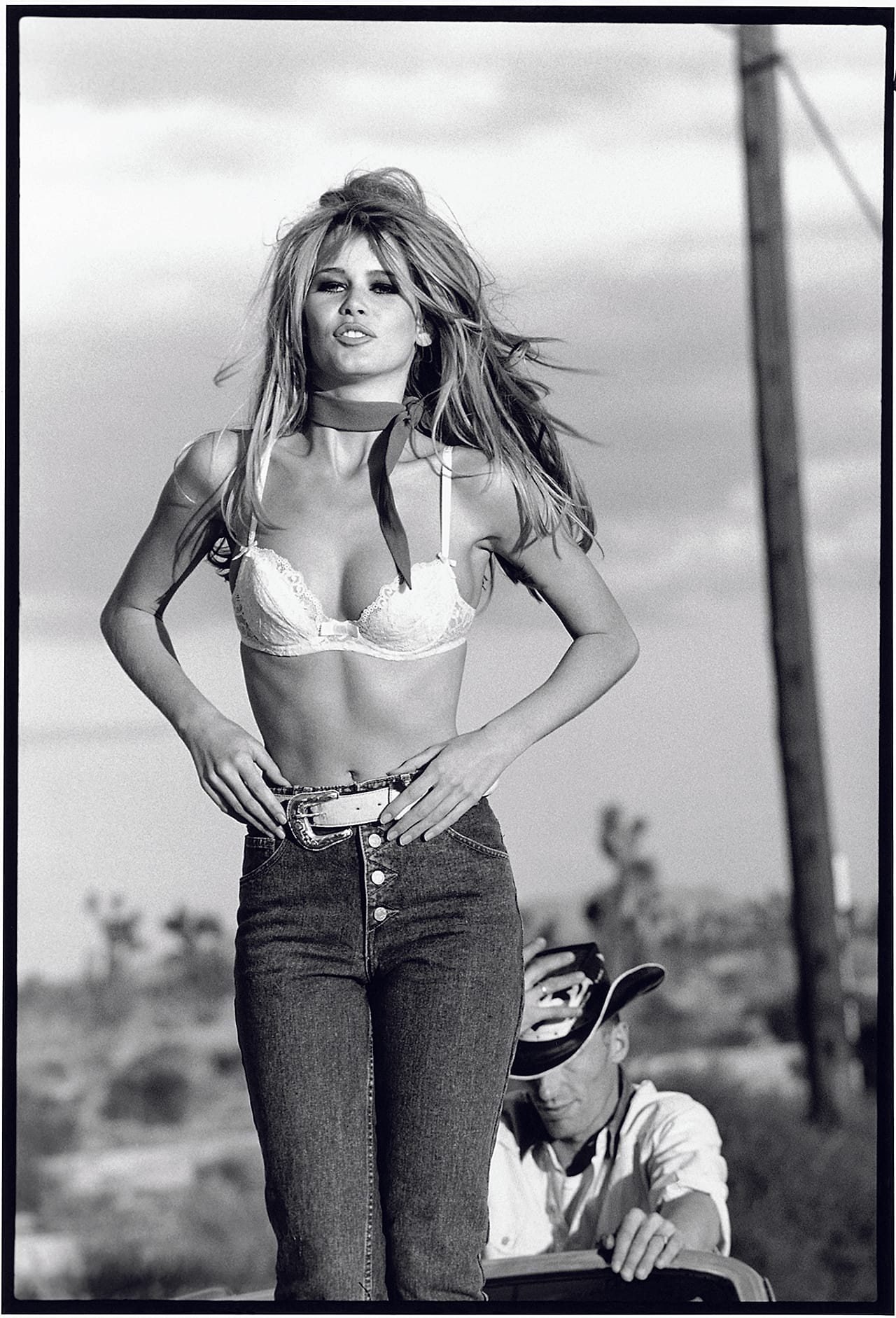
Of course, at the beginning of my career, Claudia Schiffer was one of my favourites. Not just the picture, but, of course, that one picture of her wearing the corset. It’s very famous and maybe the most famous picture I’ve done. It was such a fun time, actually meeting this girl and saying, "Hey, look, she looks like Brigitte Bardot. Let’s give her the hair and makeup to make her look like Brigitte Bardot."
Then I started working for Guess, and I said to Paul Marciano, “Look at this girl,” because he always loved that cinematic ’50s and ’60s vibe, the French and Italian cinema. He said, "Yeah, let’s try it." We photographed her overnight, and when the pictures came out, everybody was talking about them. There was no Instagram at the time, of course. So this was really the beginning of my career, and it's very important to me.
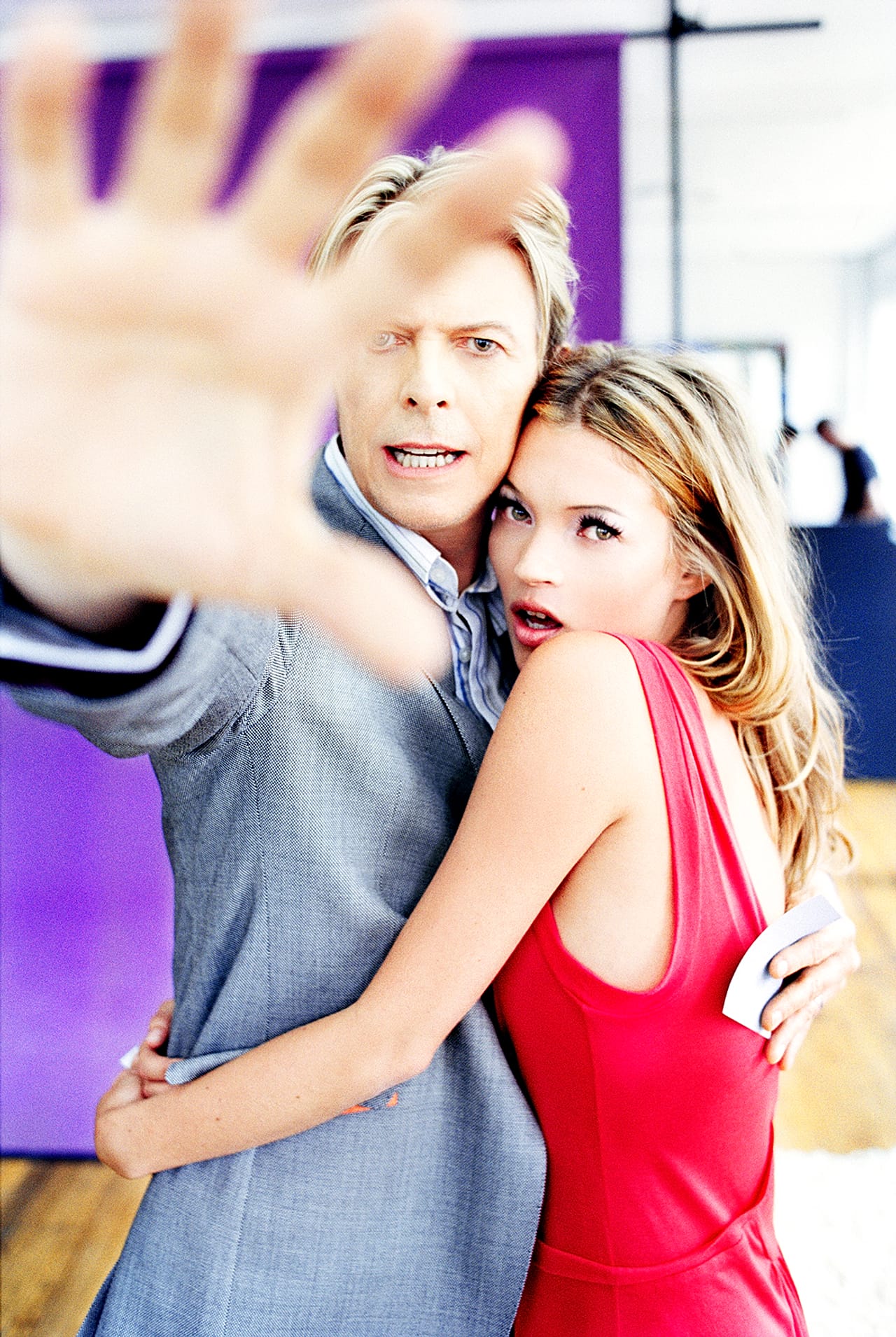
Then there are so many others. I did Naomi Campbell, and I took so many pictures with Naomi, including the ones with Coke cans in her hair. I worked with David Bowie, Sophia Loren and Drew Barrymore too. Drew Barrymore was one of my favourites. I remember being at an awards after-party and seeing this girl, with a huge queue of people lining up in front of the toilet. I thought, "Who’s this little girl, looking so ’20s and so charming?" I went up to her and asked her, and we did a lot of shoots together.
And, of course, some of my favourite pictures are of my daughter.
I also wanted to ask you about something we touched on earlier: artificial intelligence. Are you tempted by it? Do you see it as a help or a hindrance to what you do?
Well, it definitely helps sometimes with retouching. The other day, we had a picture by the river, and there was this really ugly boat that was very distracting. I said to my retoucher, "Can we do something?". He circled it, and it was gone. I was like, "Amazing!". Of course, it helps with things like that. Sometimes we also animate my pictures, and it’s crazy how easy it is. It takes a little bit of skill, and I have fun with it.
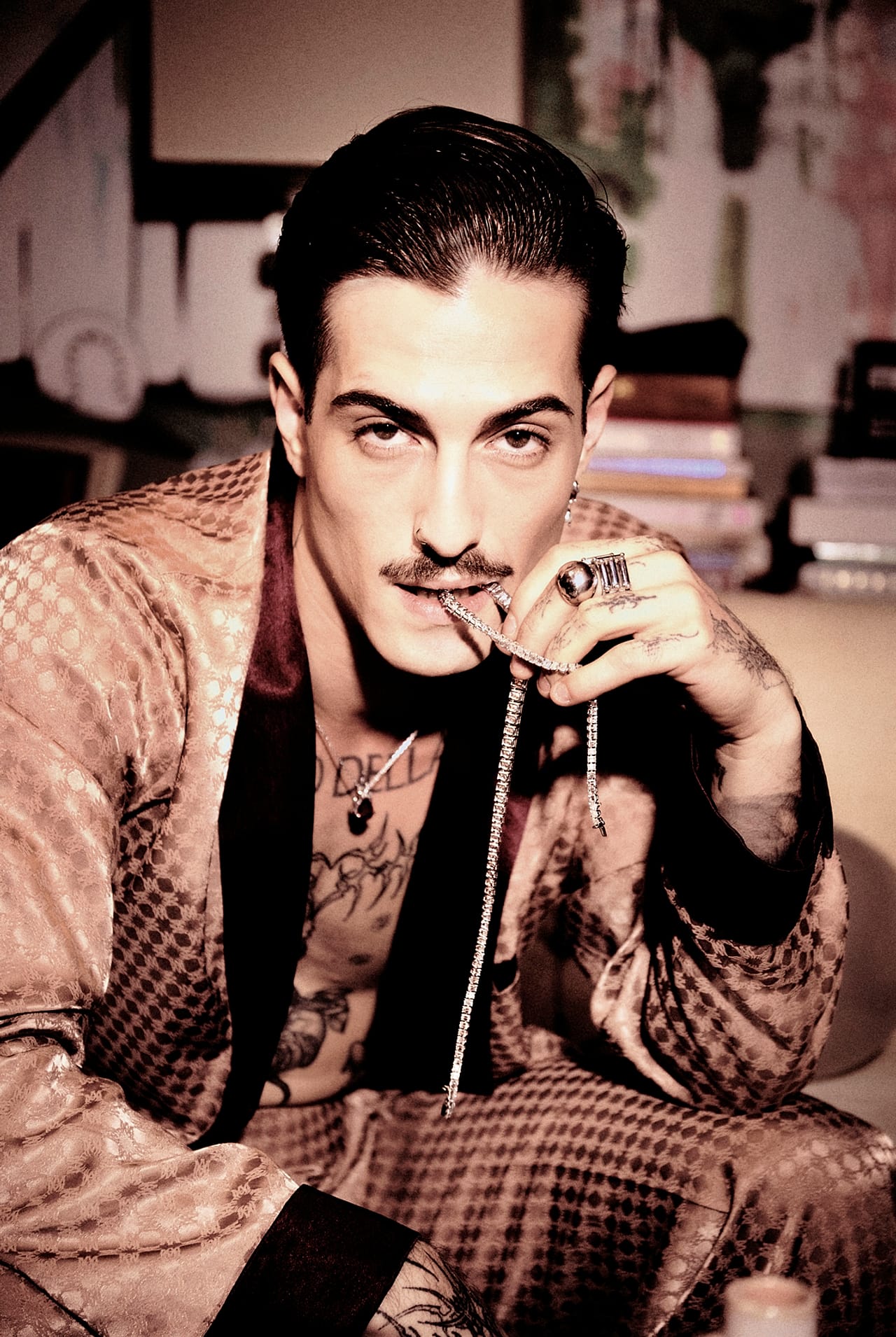
I always get a lot of very bad comments: "Ellen, you’re an artist. Why do you use artificial intelligence?". And I’m like, "Yeah, it’s there. It’s a tool. You have to jump on the bandwagon or you’re going to be left behind."
That said, I really love the process of taking pictures, the connection with people, the creative process, having ideas and sitting in my room thinking. That’s my thing, not just sitting in my room and doing everything with AI. And, of course, you know what it's doing: it’s getting a lot of people out of jobs. Even models are now creating their own AI versions. I think it’s like a big monster coming towards humanity, and I find it quite scary, actually.
You’re not alone in that. Tell me something now about Toiletpaper. How did this collaboration begin?
Well, I was in Berlin, and I had an event at Fotografiska, where they (co-founders Maurizio Cattelan and Pierpaolo Ferrari) had an exhibition. It was a really fun exhibition, with a big pool - you know, those pools filled with plastic bananas. You could roll around in it, and the pictures were sliced open so you could walk through them. It was a super-fun experience.
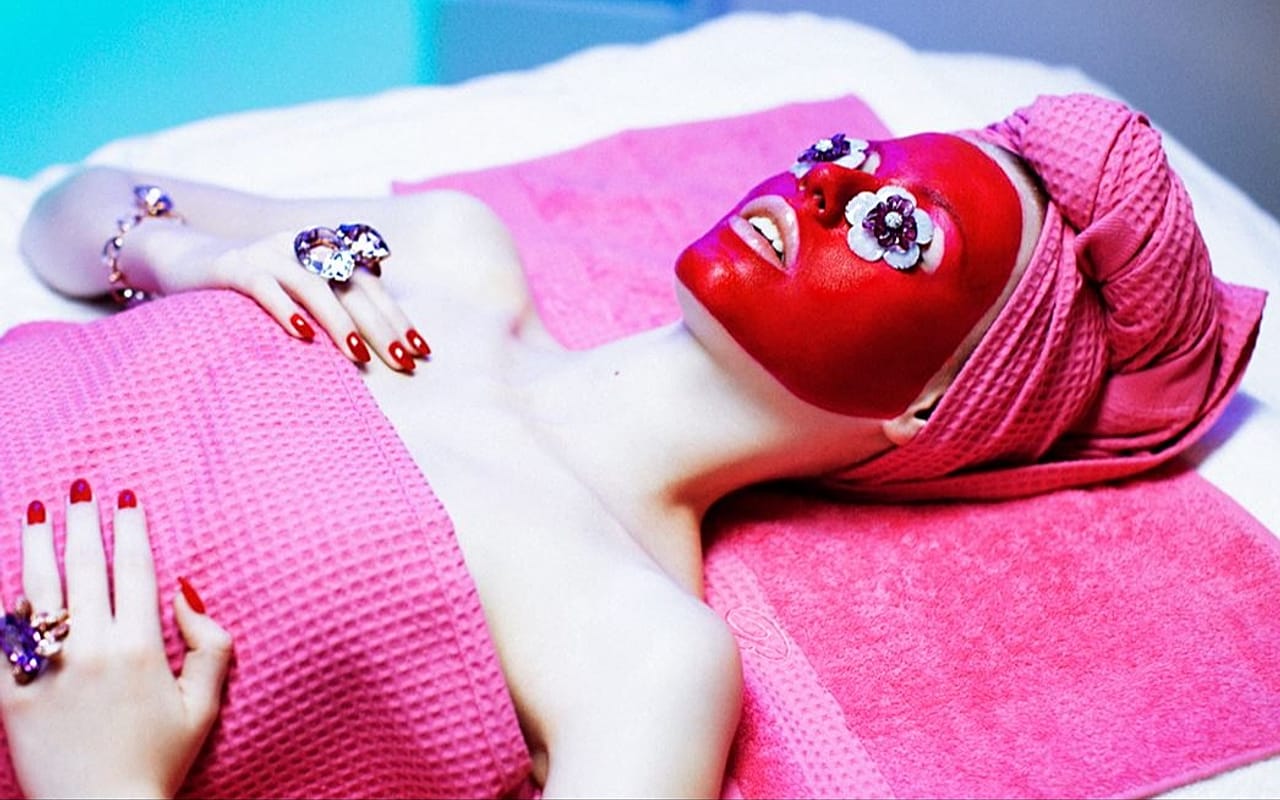
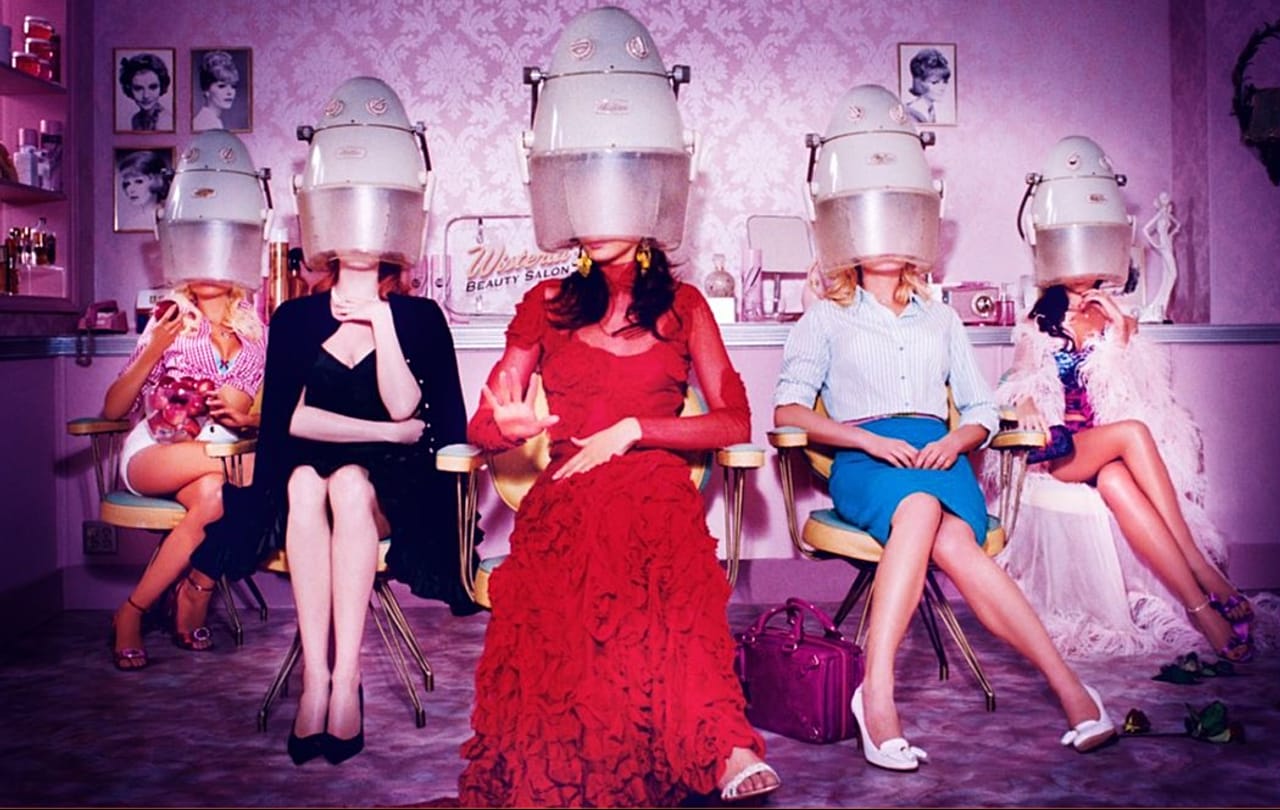
I posted lots of pictures from it on Instagram, and they contacted me. They were like, "Hey, Ellen, I hope you had fun at our exhibition." I said, "My God, I loved it!".
From there, we started a collaboration. I love that very pop, loud, flamboyant style, and part of my work is also very loud, flamboyant and pop. We talked, and I was very proud that they approached me, because I’m a big admirer of what they do. I was very proud, and we started the collaboration.
It was very hard to choose, because there are only six pictures each. We had so many, and narrowing them down to six was very hard.
I can see how there was a meeting of minds there. But how did the collaboration actually work? Did you have complete free rein? I’m interested in how it went.
Yeah, I had complete free rein. But after so many years of working, you know the style of each publication or brand. When you work for Vogue it’s one thing, when you work for i-D it’s another, when you work for Dior, it’s something else. You learn their style.
Then you get to know people's styles, too. My team and I looked through my archive and chose pictures that fitted the style, because they said we'd do an opposition: one picture would be mine and one would be theirs. We chose pictures that had something in similarity, so we could make a game of asking people what the similarities were.
It was fun. It was a very fun project, and I’m super proud and happy that it’s just come out.
Looking forward, Ellen, what else are you preparing at the moment? You spoke to me about the show in St Tropez. How often are you exhibiting now? How are you filling your days?
Well, I'm having a big exhibition in Maastricht. It's called My Circus because, before I was even a model, I was working in the circus in Germany. I saw the circus and it was so magical. After the show, I asked the director if I could work in the circus.
He said, "Oh, you look like a circus girl. You can start tomorrow." I wasn't a juggler or anything, but I was an assistant to the juggler. It was a very, very fun period, which actually inspired me a lot. In my pictures, there's always glitter, dishevelled glamour and magic. So, at the museum in Maastricht, the theme is My Circus. There are around 130 pictures inspired by the circus, featuring actors and actresses, as well as my fashion stories for Italian Vogue and American Vogue.
Then I have a little exhibition in St Tropez called Not Your Angel. Obviously, beautiful women look like angels, but don't get them wrong.
I'm also working on new books. I have a couple of new book projects. I'm planning to make a movie based on one of my books. It's called Revenge. We were already talking about it years ago, but then COVID came along. We were also supposed to film in Ukraine, which unfortunately fell through. Now we're starting to talk about it again, and I'm also creating a perfume. That's my big, big project this year.
ToiletEllen von PaperUnwerth Calendar 2027 is published by Damiani Books and is available now.