














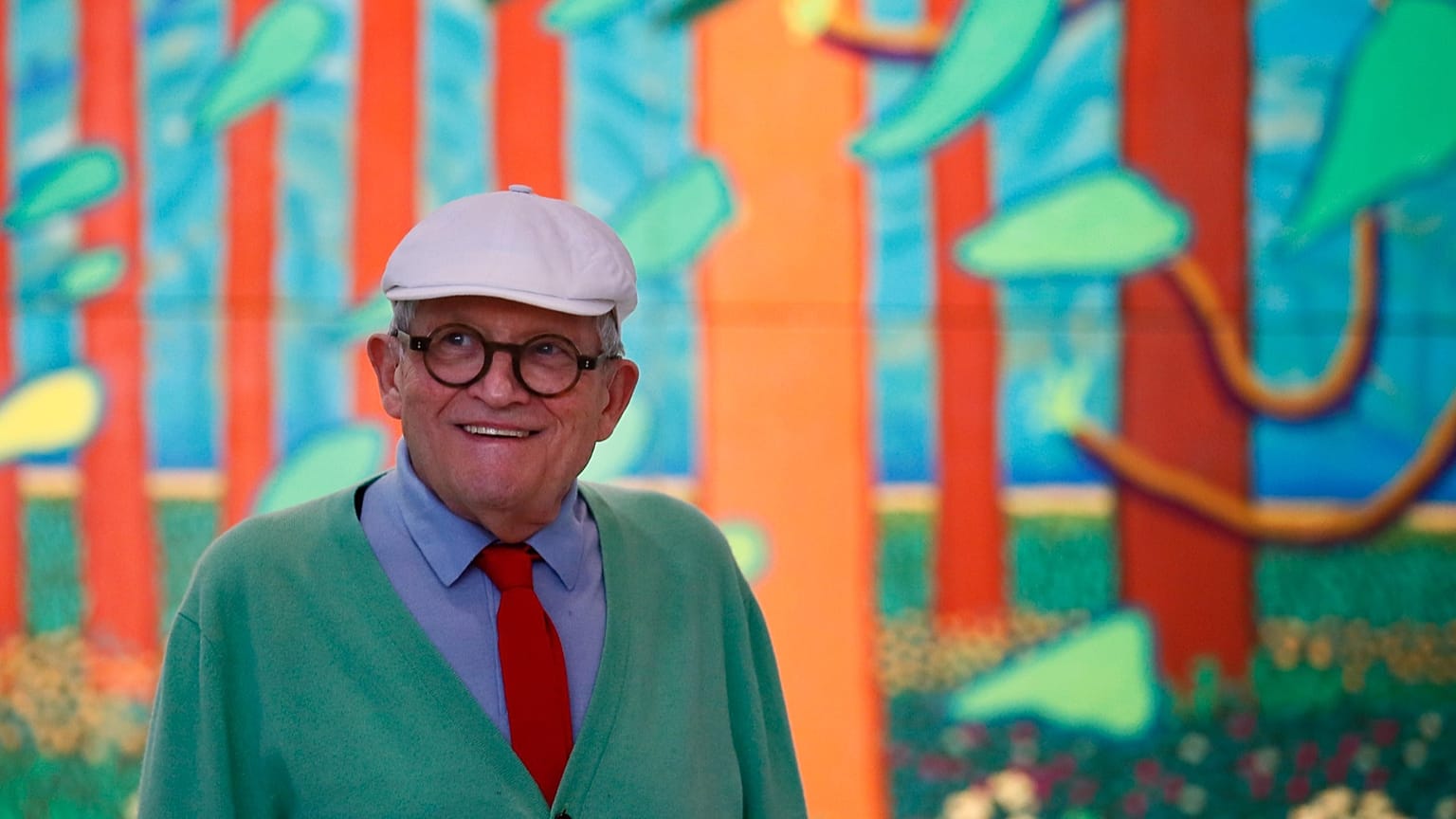














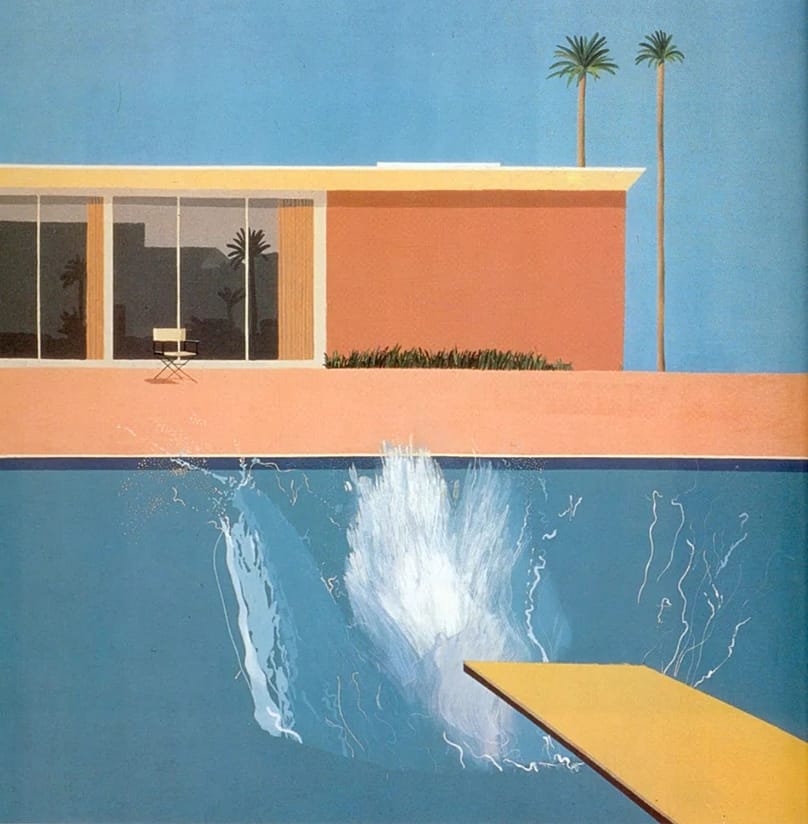
Known for his vibrant paintings of Los Angeles swimming pools, David Hockney became a defining figure in 20th-century art, blending vibrant colour and simplified forms into instantly recognisable works.
David Hockney, one of the world's most influential, beloved and celebrated contemporary artists, has died at his home in London. He was 88.
 ADVERTISEMENT
ADVERTISEMENT
ADVERTISEMENT
Hockney's publicist, Erica Bolton, says he died on Thursday, a few weeks short of his 89th birthday.
Perhaps best known for his paintings exploring his life and home in northern France as well as his time in California, his works spanned several decades and often focused on personal portraits of friends and family.
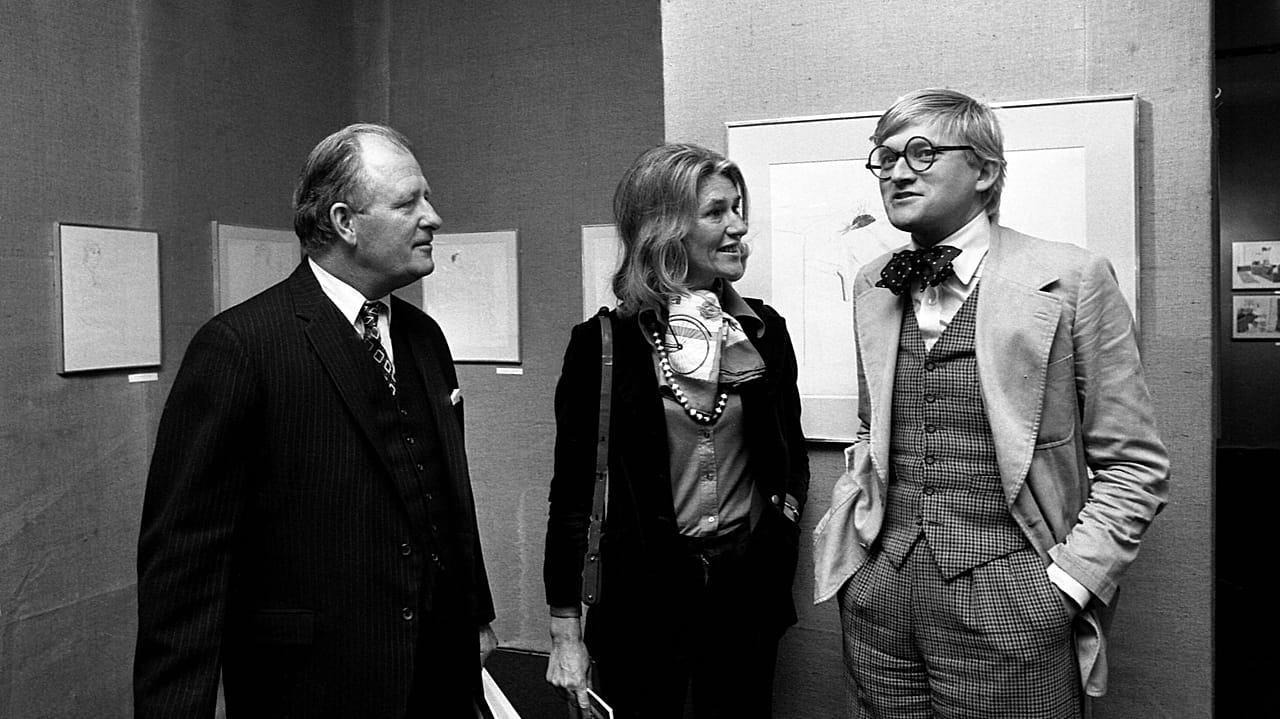
Born in Bradford in northern England, Hockney spent much of his career between Britain, the United States, and later France, turning shifting landscapes and light into a lifelong subject.
He trained at the Royal College of Art, where he was featured in the exhibition New Contemporaries, marking the arrival of British Pop Art.
Southern California, where he moved to in 1963 and lived for many years, became central to his work. Its bright suburban geometry and sun-drenched swimming pools shaped some of his most recognisable paintings, including the iconic A Bigger Splash (1967).
“I’m excited every day,” he told the Los Angeles Times in 1979. “London has lots of dreary parts but I never find anything dreary in Los Angeles.”
His early paintings also challenged conservative attitudes, depicting queer desire and intimacy at a time when homosexuality remained a criminal offence in Britain.
In later life, he returned to Europe, drawing inspiration from Yorkshire's hills and the Normandy countryside.
Across more than six decades, he became one of Britain’s most celebrated artists, with works achieving record-breaking auction prices.
His 1972 painting Portrait of an Artist (Pool with Two Figures) sold for $90.3 million (€83 million) in 2018, a record at the time for a living artist.
Historian Simon Schama said that "the popularity and durability of David Hockney’s art, through all his shape-shifts and restlessly inventive experiments, are really no mystery."
"His work is admired - loved is not too strong a word - by the millions who, worldwide, flock to see it because it presupposes an expectation of pleasure," Schama wrote in an essay accompanying a 2025 Hockney exhibition in Paris.
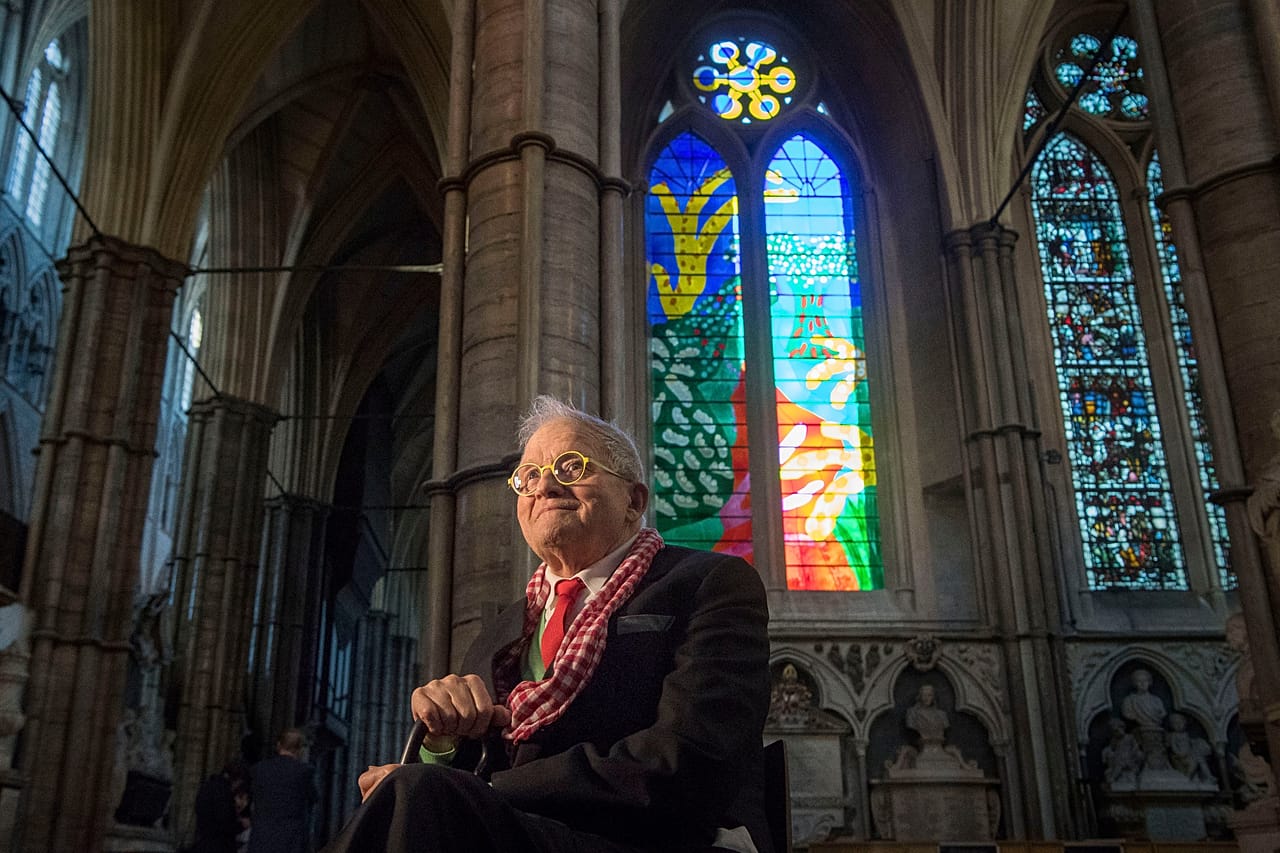
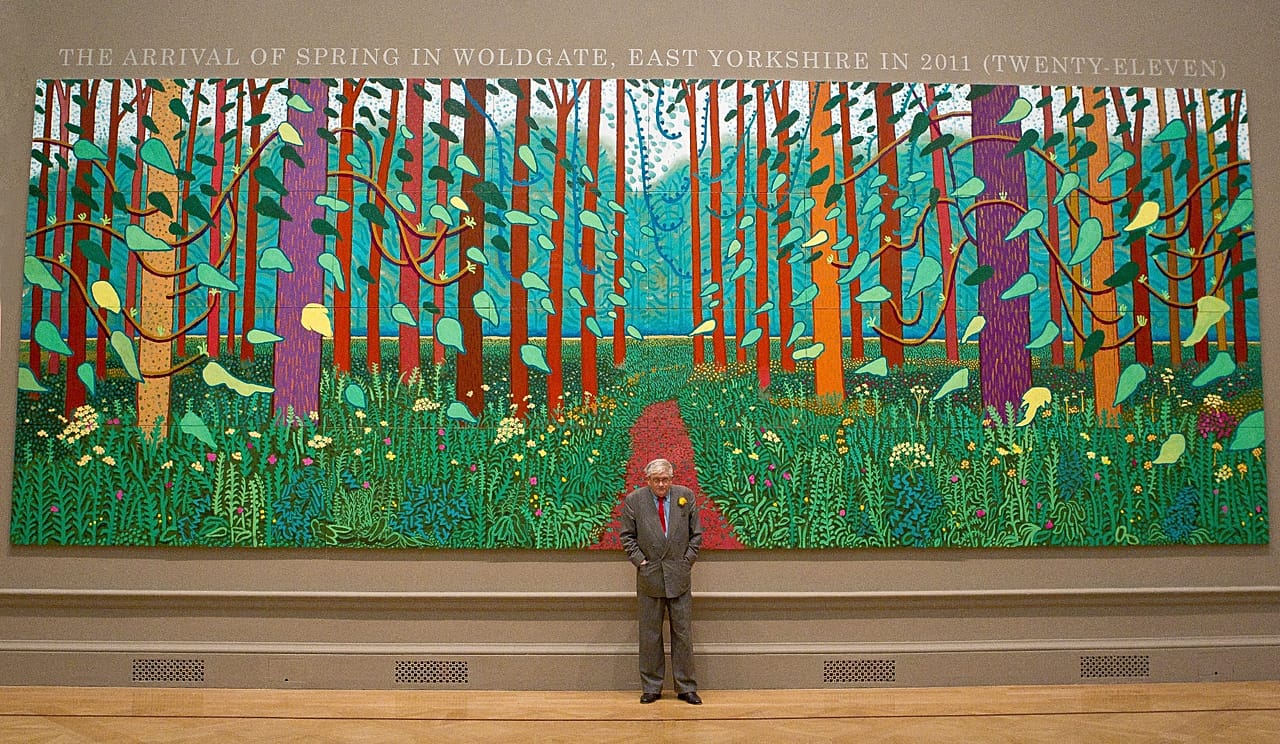
Hockney never settled with one style. He explored diverse subjects and techniques by experimenting with a range of media, from pen, pencil, crayon, photography, opera stage design, printmaking, digital art and photographic collage.
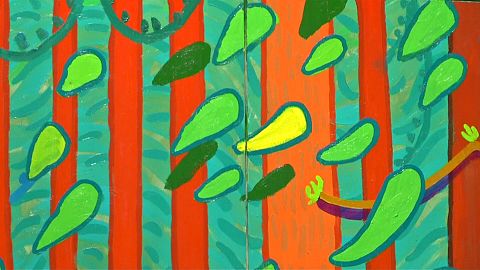
More recently, his stunning digital works created on iPads brought his talents to new, younger audiences. His A Year in Normandie - an epic 70-metre-long iPad artwork made during the pandemic, drawing on the Bayeux Tapestry and Chinese scroll traditions, is currently on display in London's Serpentine Gallery.
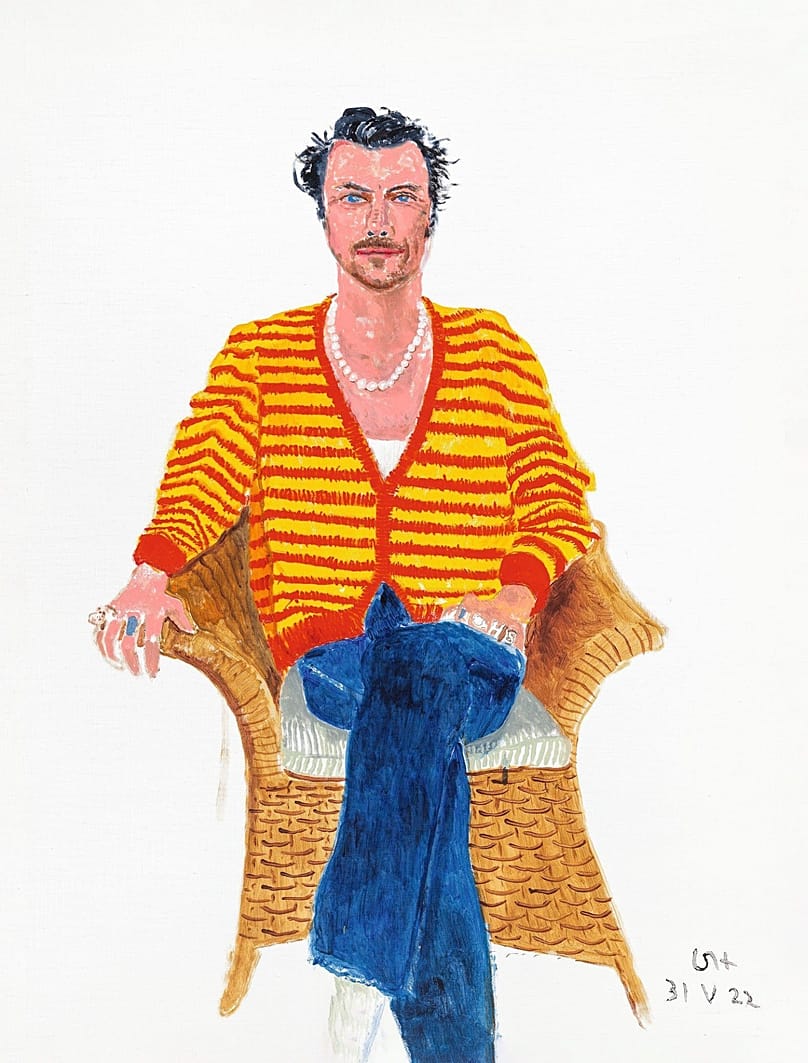
In 2022 he even painted pop star Harry Styles over two intimate days in his art studio in Normandy. The artwork was among more than 30 portraits displayed in Hockney's 'Drawing from Life' exhibition at London's National Portrait Gallery.
Art curator Norman Rosenthal called Hockney “the Picasso of our times.”
“When I say that, people laugh at me, as Picasso was the archetypal artist of the 20th century,” Rosenthal said. “But David Hockney is also an incredibly popular artist whose work changes how we see things.”
Even into later life, Hockney continued working daily. "It’s my work that keeps me young,” he told the Sun in 2017. "I’ve been a professional painter for 60 years. Sixty years of getting up every day and doing exactly what I want to do."