




























The Gascon nobleman was the inspiration for Alexandre Dumas' 19th-century hero in "The Three Muskateers", a character who is now known the world over thanks to the novel and its many film adaptations.
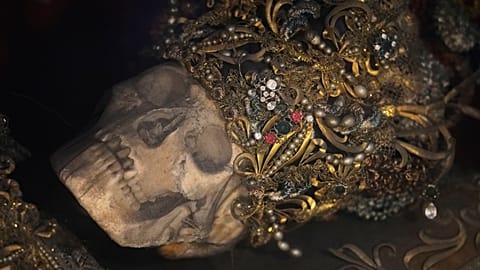
A skeleton that could be that of d'Artagnan, the French soldier who inspired the novel "The Three Musketeers", has been discovered in a church in the Dutch city where he died several centuries ago.
 ADVERTISEMENT
ADVERTISEMENT
ADVERTISEMENT
According to local media, the skeleton was unearthed in Maastricht, in the nave of a modern church whose origins date back to at least the 13th century. The bones were found during repair work following a partial collapse of the floor in February, explains L1 Nieuws (source in French), a media outlet in the province of Limburg.
Charles de Batz de Castelmore, known as d'Artagnan, the famous musketeer of Kings Louis XIII and Louis XIV, devoted his life to serving the French crown.
This Gascon nobleman was the inspiration for Alexandre Dumas' 19th-century hero in "The Three Musketeers", a character who is now world-famous thanks to the novel and its many film adaptations.
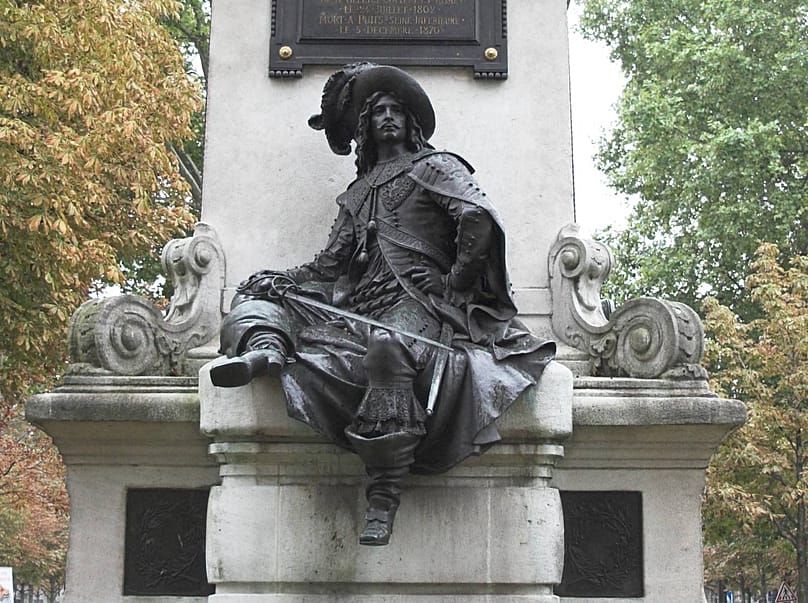
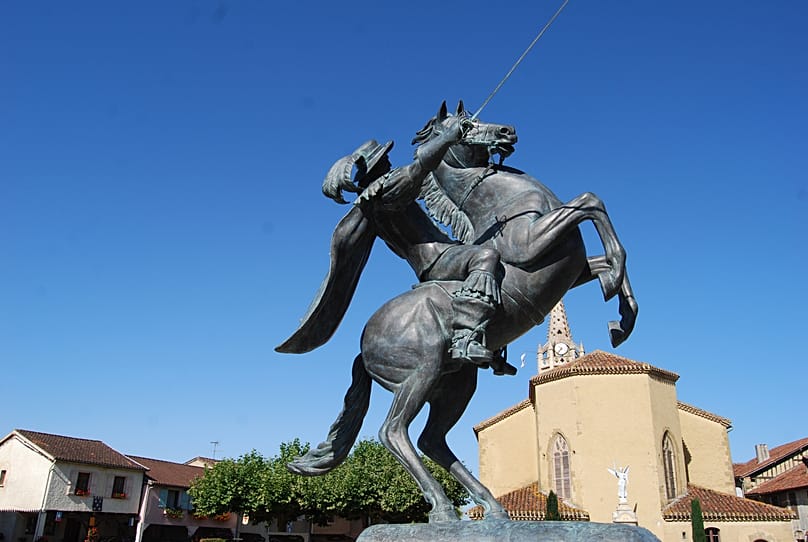
D'Artagnan was born between 1611 and 1615 at the Château de Castelmore, near Lupiac, in Gascony (in the present-day department of Gers) and killed in Maastricht during the siege of that city on 25 June 1673, during the Dutch War.
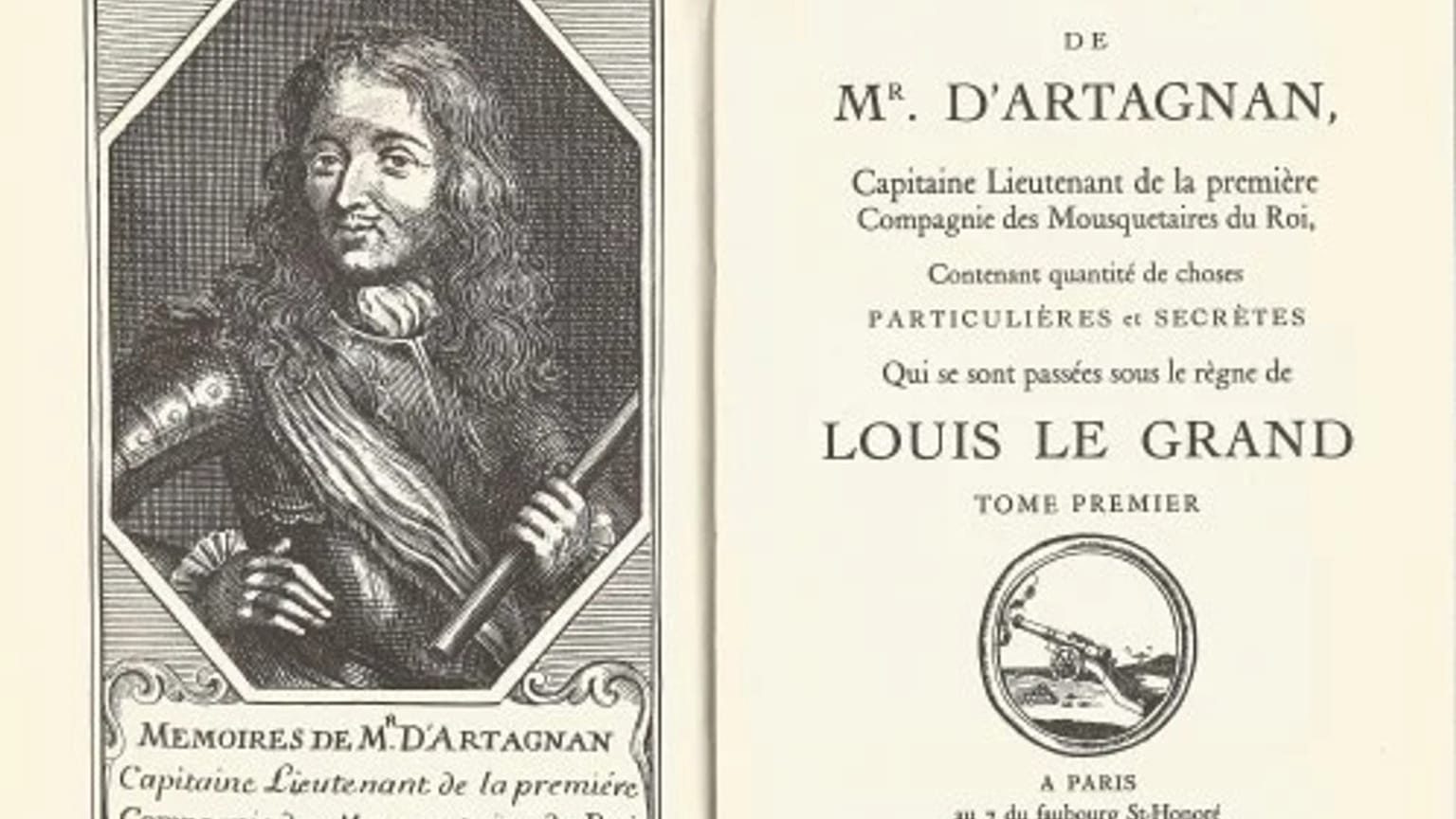
His burial site has remained a mystery ever since. Little is known about the real d'Artagnan. All that exists of him is a portrait, the authenticity of which is not guaranteed, and apocryphal memoirs published in 1700, 27 years after his death.
On the other hand, his literary biography is more than abundant, with, above all, Alexandre Dumas' three novels_(The Three Muskateers, "20 Years After" and "The Vicomte of Bragelonne"_ )
On the big and small screens, he has been played by more than 30 actors, including Douglas Fairbanks, Max Linder, Gene Kelly, Jean-Paul Belmondo, Jean Marais, Jean-Pierre Cassel, Philippe Noiret, Gabriel Byrne, Gérard Depardieu and the Russian Mikhaïl Boïarski.
A French coin was discovered near the skeleton in Maastricht, according to deacon Jos Valke, who was present at the first excavations.
"What's more, the location of the grave indicates that it was an important person: the skeleton was found where the altar used to stand, and only royalty or other important figures were buried under an altar at that time," he told L1 Nieuws.
The skeleton has been removed from the church and is now at an archaeological institute in Deventer, in the east of the Netherlands, the news provider reported.
A DNA sample was taken from the skeleton on 13 March and is currently being analysed in a laboratory in Munich.
Archaeologist Wim Dijkman has been searching for d'Artagnan's remains for 28 years.
"I'm always very careful, I'm a scientist. But I'm hopeful," he told L1 Nieuws.