
















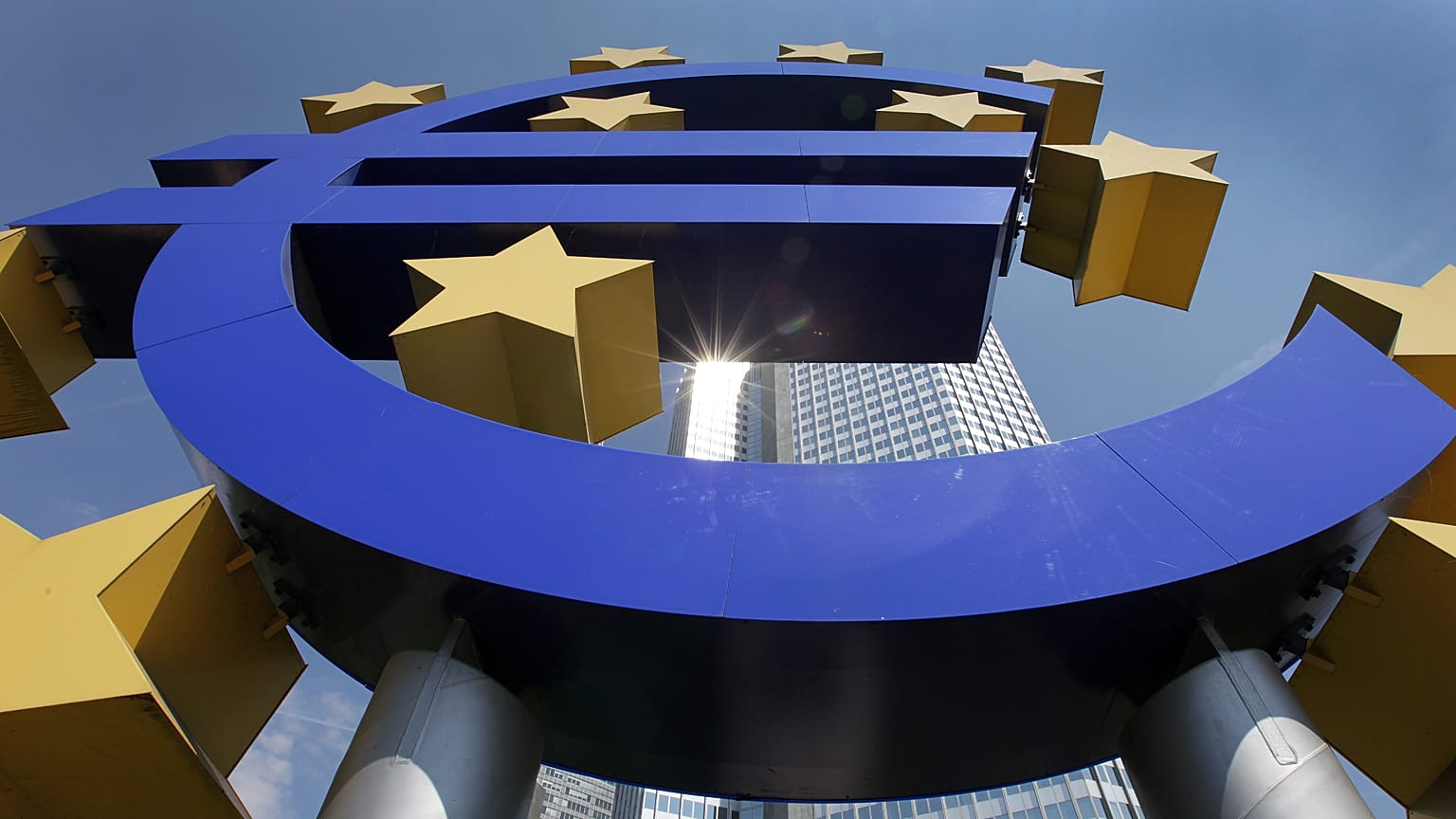














The European Parliament and EU governments are entering the final phase of negotiations on the digital euro. The most sensitive issues include how fees will be shared and how banks and payment providers will be compensated.
The European Parliament confirmed its negotiating position on the digital euro with a vote in Strasbourg on Thursday. EU lawmakers are now ready to begin negotiations with member state governments on how the digital euro will work.
 ADVERTISEMENT
ADVERTISEMENT
ADVERTISEMENT
The digital euro would be an electronic form of central bank money, issued and backed by the European Central Bank (ECB). It is intended to complement cash and existing banking services, rather than replace them.
Consumers would be able to hold digital euros in a dedicated wallet, subject to a holding limit yet to be determined.
The system would support both online and offline payments and is intended to offer a high degree of privacy, with the ECB unable to directly identify users from their payment data.
The ECB would provide the underlying infrastructure, while commercial banks and payment service providers would offer digital euro services to customers.
According to three sources involved in the negotiations, the most delicate issue will be agreeing on the "compensation model".
That means deciding which financial institutions should be compensated, how much they should receive and how the payments should be made for providing digital euro services.
Another key issue in the negotiations is how fees will be shared across the payment chain. Merchants are expected to pay lower fees than they currently do for card transactions.
The most intensive negotiations are expected this autumn, with final approval expected by the end of the year.
The digital euro is expected to be available for retail payments from 2029, following a pilot programme due to begin in 2027.