



























US President Donald Trump has ordered an immediate halt to trade with Spain. But as trade policy is an exclusive EU competence, could Washington go beyond tariffs to target the country?
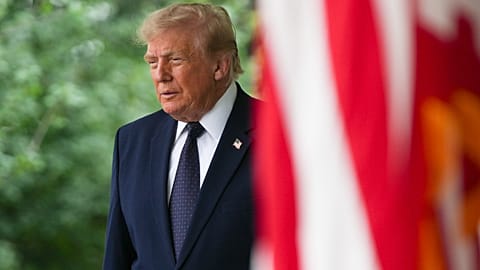
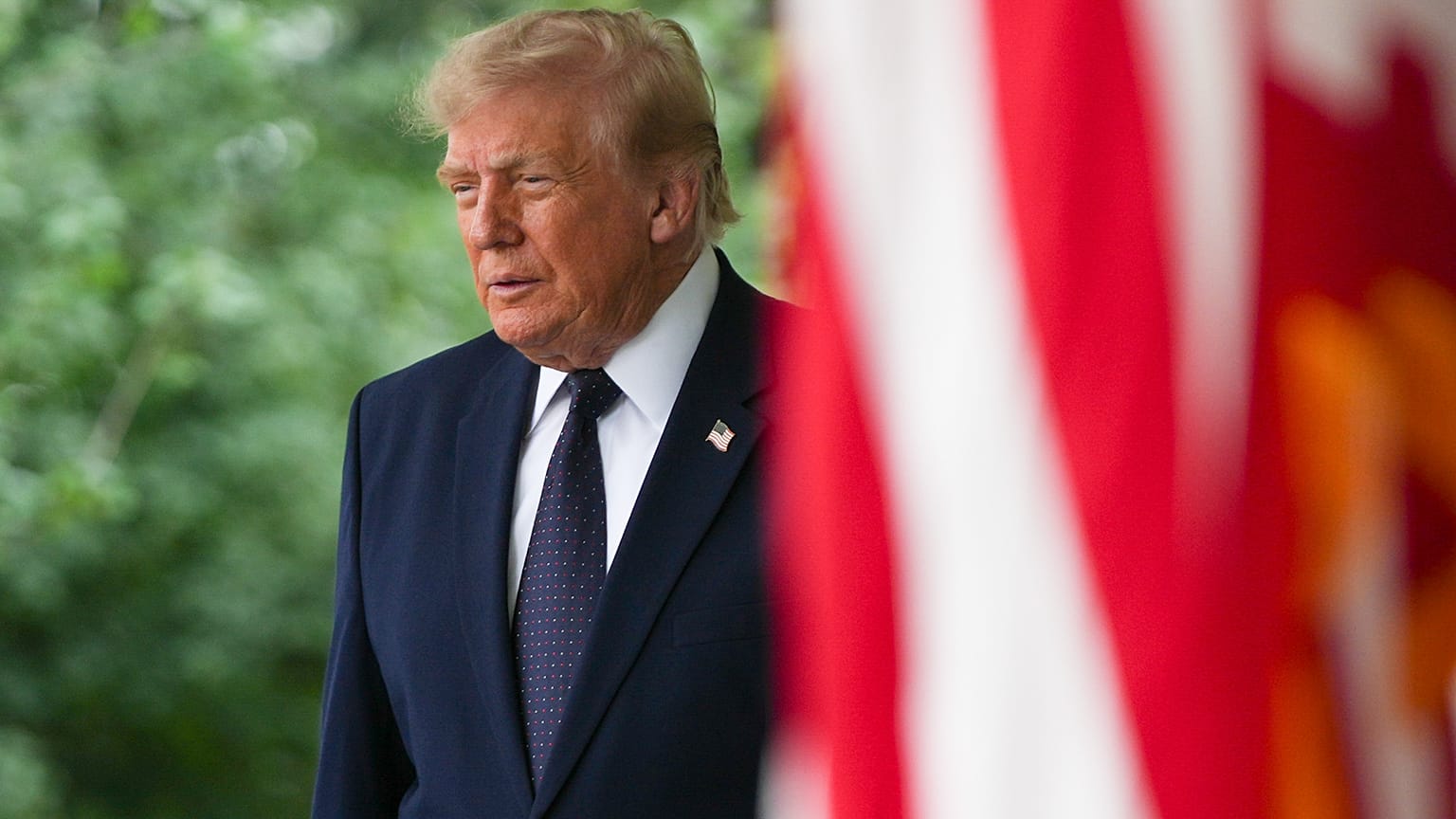
US President Donald Trump called for an end to trade with Spain at the NATO summit in Ankara on Wednesday.
 ADVERTISEMENT
ADVERTISEMENT
ADVERTISEMENT
Speaking about Spain's refusal to commit to NATO's new defence spending target of 5% of GDP, Trump said that “Spain is a terrible partner in NATO” at a joint press conference with NATO Secretary General Mark Rutte. The president added that "Spain is a wasted cause and we don't want to do any business with them", instructing Treasury Secretary Scott Bessent on the spot to halt commerce with Spain.
"I don't want to do any trade with them, alright?" Trump said, turning to Bessent, who replied: "Yes, sir." Trump then added, "Take care of it immediately. Don't even talk to them. They're hopeless. They're bad people ... They make so much money with us, and we're going to see that they make a lot less."
According to Reuters, the office of Spanish Prime Minister Pedro Sánchez dismissed the remarks as "business as usual", saying it had no intention of changing Spain's "excellent" relationship with Washington. It also noted that Spain runs a trade deficit with the US and stressed that, as part of the EU customs union, individual member states cannot be singled out in trade policy.
It was the second time Trump had instructed Bessent to halt commerce with Spain. However, after the first time in March, trade between the two countries continued normally.
The US president's remarks stand in stark contrast to the way the European Union's trade policy works.
Since the single market was established in 1993, tariffs, trade agreements and other commercial policy measures have been negotiated collectively by the EU through the European Commission.
Any action targeting one of the bloc's 27 member states would have implications for the entire single market and could trigger a coordinated response from Brussels.
Trade flows between EU member states are not considered exports but "intra-EU supplies". Supply chains are also deeply integrated. This interconnectedness means, for example, that oranges grown in Valencia can be processed in another European country before being shipped to the US, so a unilateral move against Spain would create major practical and legal difficulties.
"The US federal government knows how the EU's trade relations are managed and is not interested in breaking off trade ties," said Teresa Ribera, the EU competition chief and former minister in Pedro Sánchez's government, last March, when asked about the issue after Trump once again threatened Spain.
How much leeway does Trump have to follow through on his threat?
The figures show an asymmetric trade relationship. According to 2025 data, only 4.9% of Spain's goods exports go to the United States, worth around €18 billion, a share that makes it less dependent on the US market than countries such as Italy (10.7%) or Germany (9.9%).
By contrast, US exports to Spain amount to around €23 billion, meaning that the US runs a trade surplus. That said, exports to Spain account for only about 1.2% of total US exports.
Some sectors are more exposed than others. Capital goods and semi-finished products, such as industrial machinery and chemicals, make up more than half of Spanish exports to the US, while food products account for around 18%.
Within these sectors, exports of engines and construction materials are among the Spanish goods most in demand in the US. As for foodstuffs, oils and fats, including olive oil, represent around 14% of Spanish exports crossing the Atlantic.
As far as tariffs are concerned, Section 122 of the Trade Act places limits on Trump's presidential powers: a cap of 15% and a maximum duration of 150 days for any tariff measure, after which he would need Congress's approval to extend it. Sections 232 and 301 require prior formal investigations, lengthening the process.
Other potentially applicable unilateral measures
Beyond trade policy, Trump could still impose individual sanctions on legal entities or individuals through the Department of Commerce's Bureau of Industry and Security or the Treasury Department, as happened to UN Special Rapporteur Francesca Albanese, without going through congressional oversight. This can involve restrictions on banking services, travel or diplomatic engagement, affecting both public and private entities.
The Department of Commerce could also restrict the sale of US technology (semiconductors, software and defence components) to specific Spanish companies through the so-called Entity List. There have historically been occasional entries involving EU countries, although on national security grounds, such as shell companies linked to Russia or Iran. The vast majority of sanctions currently target China.
Spain nevertheless enjoys a privileged status under the US Export Administration Regulations (EAR). It belongs to Group A:5, along with Germany, France, Italy, the United Kingdom, Japan and South Korea, which benefits from the most favourable export-licensing regime.