














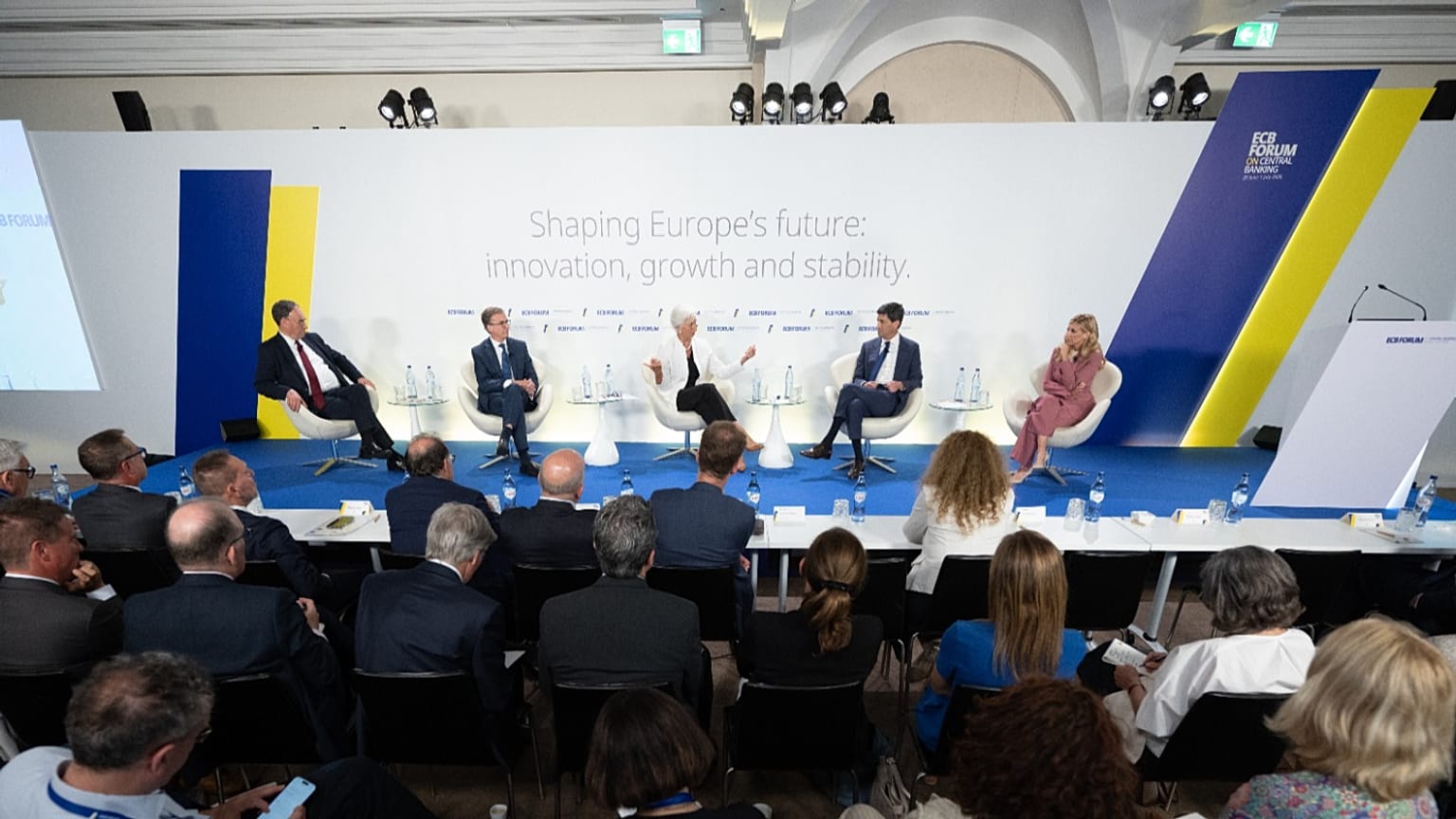













US and European central banks are weighing inflation risks ahead of key policy decisions, with energy prices and an AI-driven investment boom shaping the outlook.
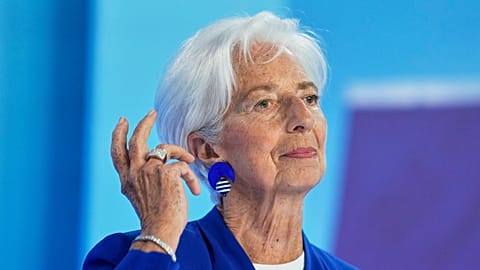
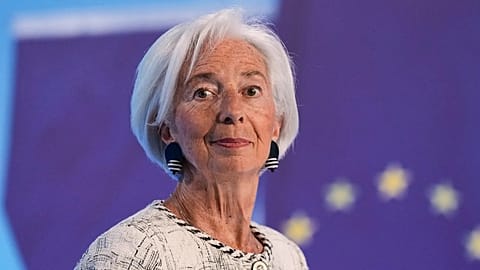
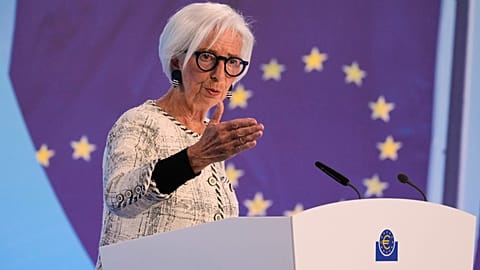
US central bankers will make a decision on whether to raise interest rates in four weeks' time, Federal Reserve Chairman Kevin Warsh said during a debate at the European Central Bank Forum in Sintra, Portugal.
 ADVERTISEMENT
ADVERTISEMENT
ADVERTISEMENT
"When we get into that room and shut the door we're going to have a good debate," Warsh said, giving the audience no indication on where the discussion will go.
With inflation in Europe has been as a result of the consequences of the war in the Middle East, the European Central Bank (ECB) raised interest rates on 11 June.
While the US and Iran have reached a preliminary peace framework and energy prices are falling after a surge driven by the conflict, ECB modelling says European inflation is not expected to fall to the 2 percent target before 2027.
The US has the same target of keeping inflation under 2 percent in the long term, but so far, the Federal Reserve has kept rates steady.
Europe's energy is more expensive than in the US, but the consequences of the war reverberated there as well, with energy prices spiking and inflation ticking up.
Global markets have been somewhat reassured by the ongoing US-Iran negotiations: Brent crude was at just above $72 a barrel on Wednesday morning, having reached $120 per barrel at the war's peak.
But Warsh pointed out that energy prices are not the only drivers of inflation, with the "AI boom" looming large.
"The AI shock is leading to a boom in capital expenditures," Warsh said in Sintra, explaining that it is up to central bankers to decide whether it is inflationary or not.
"Right now, (companies are) investing in the future because their expectation is the supply side of the economy will expand, and if it does, that has huge implications for monetary policy," Warsh said.