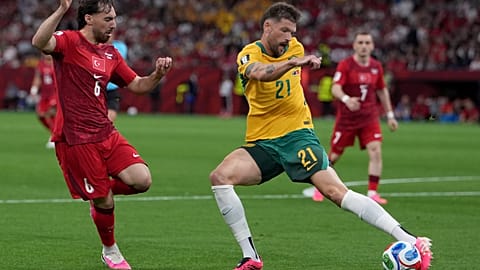
















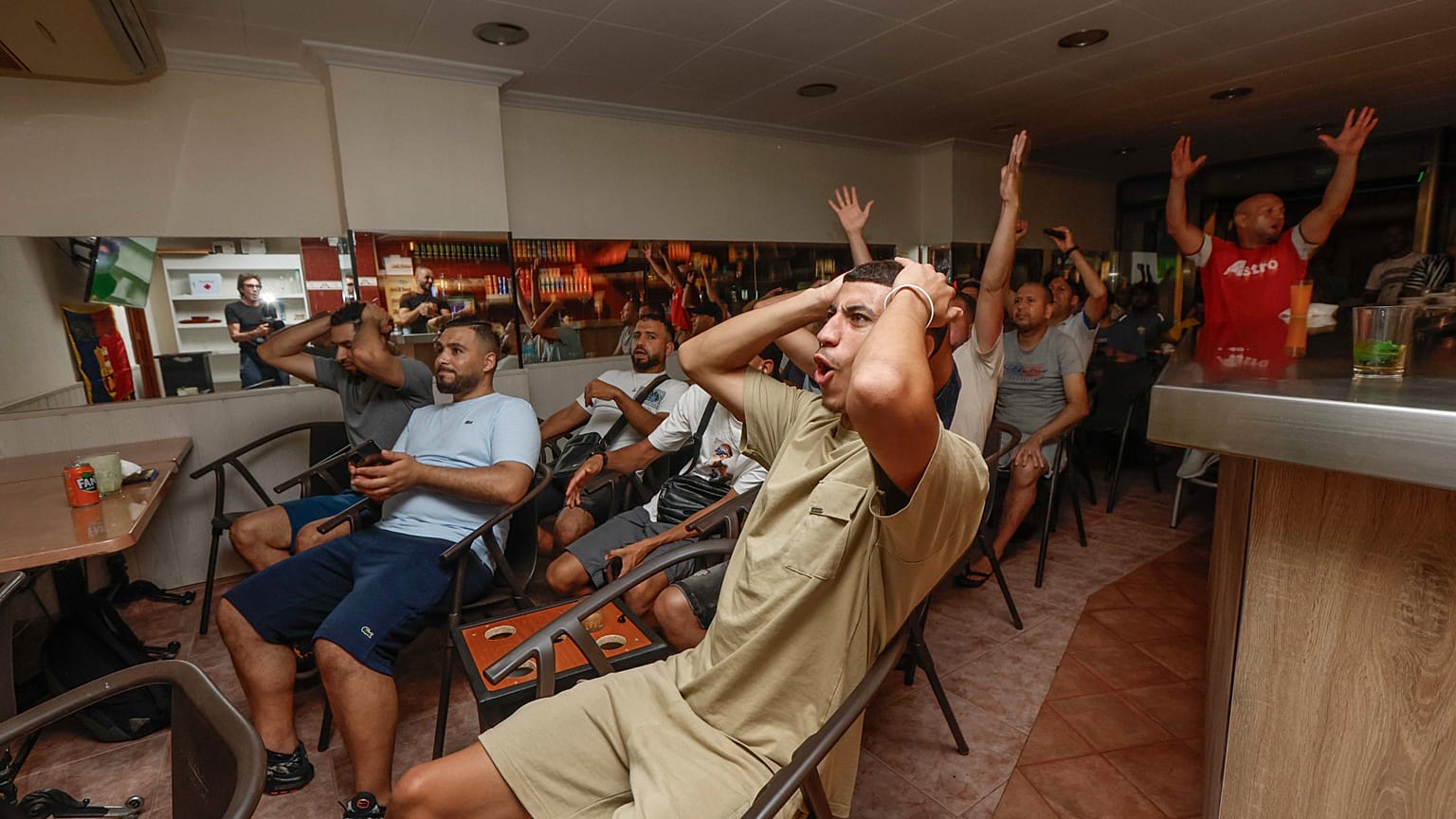













The hospitality sector hopes the national team’s progress will pack out its venues, but admits the pandemic changed habits and time zones hurt early kick-offs.
More than half of football fans in Spain plan to watch the 2026 World Cup matches in a bar. That is the figure from a LaLiga study on football viewing habits, and it shows Spaniards are the Europeans most likely to follow tournaments away from home.
 ADVERTISEMENT
ADVERTISEMENT
ADVERTISEMENT
On the ground, however, the reality is more nuanced. Santi Vidal, owner of the bar El Cuadro in the Madrid neighbourhood of Carabanchel, is not expecting a stampede for the opening games: "People prefer to watch them at home. We are only expecting big crowds as La Roja progresses through the tournament," he told RTVE. For the first match, against Cape Verde, they have not made any special preparations.
Vidal points to the pandemic as a turning point: "Before coronavirus, a football night was absolute madness. After COVID-19, a lot of people prefer to take it easy and get together with friends at home."
A change in habits that the data themselves confirm: according to Numerator's Worldpanel consultancy, two out of every three fans will follow the World Cup from their living room, and will spend 6% more on food and drink to take home. The Glovo report goes further: it puts that preference for staying in at 80% of Spaniards, with pizza and burgers the most frequent orders during matches.
The industry association, Hostelería de España, estimates that bars could increase their takings by between 25% and 30% on match days with favourable kick-off times. If Spain were to reach the final, the aggregate benefit for the sector could exceed €130m. Average spending per customer during the tournament is expected to rise by around 11%, with outlay estimated at between 13 and 18 euros per person per match.
The association also points to a side effect: when matches are broadcast free-to-air, restaurants see bookings fall. In those cases, orders through food delivery platforms go up. The Glovo report backs this up: 82% of those surveyed place their orders before kick-off, prioritising pizza and burgers.
Bars adapt and change their menus
In a bid to attract customers, several establishments are tweaking their offers. Julocho García, who bought the beach bar El Amarillo in Cabañas, La Coruña, last year, is temporarily changing his usual menu of fresh produce for sandwiches, nachos, burgers and empanadas: "We know people want nibbles and fast food while they watch the matches." At the bar El Portón in Villarrubia de los Ojos (Ciudad Real), Jacob Medina has had extra staff on standby for weeks: "If Spain goes deep into the knockout stages, the bar is 50% fuller, or even 70% busier than usual," he told TVE.
Brands and distributors have also swung into action. Medina says his usual supplier has provided him with more than just drinks: "We have decorations, bunting, face paints; they have given us scratchcards with prize draws and merchandising items." The bar itself has also decided to raffle an official Spain scarf among its customers.
Medina adds an element that rarely features in analysis of the World Cup in Spain's hospitality trade: the Moroccan national team. "In Villarrubia there is a large migrant population from that country. They live the World Cup very intensely and they know Morocco has a real chance, so I expect to see the bar full as well if Mohamed Ouahbi's side goes far."
The time difference with the United States, Canada and Mexico is another factor bar and restaurant owners are taking into account. The matches against Cape Verde and Saudi Arabia kick off at 19:00 (Houston, Texas, local time); Spain-Uruguay on 27 June starts at 18:00 (Guadalajara, Mexico, local time). For Vidal, the early evening schedule works against bars in cities like Madrid: "With temperatures of 40ºC, people are not going to leave home to go to the bar." García, by contrast, sees it as an advantage for his beach bar on the Galician coast: "People go for a dip in the late afternoon and then come to watch the match. When the game ends, it is the perfect time for dinner." So much so that he is considering opening as well for the matches in the early hours of the morning if there is demand.
The supply chain is also feeling the effects. Guillermo López Menchero, a sales representative for distributor Menchero Gil S.A. in Villarta de San Juan (Ciudad Real), says bars have been bringing forward their orders for weeks: "They tend to order early so they do not run short, especially of beer, soft drinks and water." This year, on top of that, a change in the beer brand they work with has sparked additional interest among establishments in the province.