












Annual inflation accelerated to 4.2% in May, driven largely by higher fuel costs, as rising prices continue to weigh on household budgets and cloud the Federal Reserve's interest-rate outlook.
A sharp rise in fuel costs pushed US inflation to its fastest annual pace in three years in May, according to data published on Wednesday, strengthening the case for the Federal Reserve to keep borrowing costs higher for longer.
 ADVERTISEMENT
ADVERTISEMENT
ADVERTISEMENT
Consumer prices rose 4.2% in May from a year earlier, the Labour Department said, up from 3.8% in April and marking a third consecutive increase. On a monthly basis, prices climbed 0.5%, following gains of 0.6% in April and 0.9% in March.
Beyond the impact of higher energy costs, underlying price pressures remained more moderate, suggesting inflation has yet to spread broadly across the economy. If energy prices continue to ease, headline inflation could begin to cool in the coming months. Gasoline prices have already fallen since May.
One encouraging sign in Wednesday's report was that core inflation — which excludes the volatile food and energy categories — remained relatively subdued. Core prices rose 0.2% in May, down from a 0.4% increase in April. Compared with a year earlier, core inflation edged up to 2.9% from 2.8%.
Nevertheless, many goods and services became more expensive last month. Clothing prices rose 0.3% and were 4.8% higher than a year earlier. Airline fares, driven higher by rising jet fuel costs, increased 2.7% in May alone and were nearly 27% above their level a year ago. Electricity prices rose 0.6% during the month and were up 5.9% annually.
Inflation had been easing before President Donald Trump imposed sweeping tariffs in April 2025, raising the cost of many imported goods. More recently, higher oil and gas prices linked to the conflict involving Iran have added to price pressures, keeping affordability high on the political agenda.
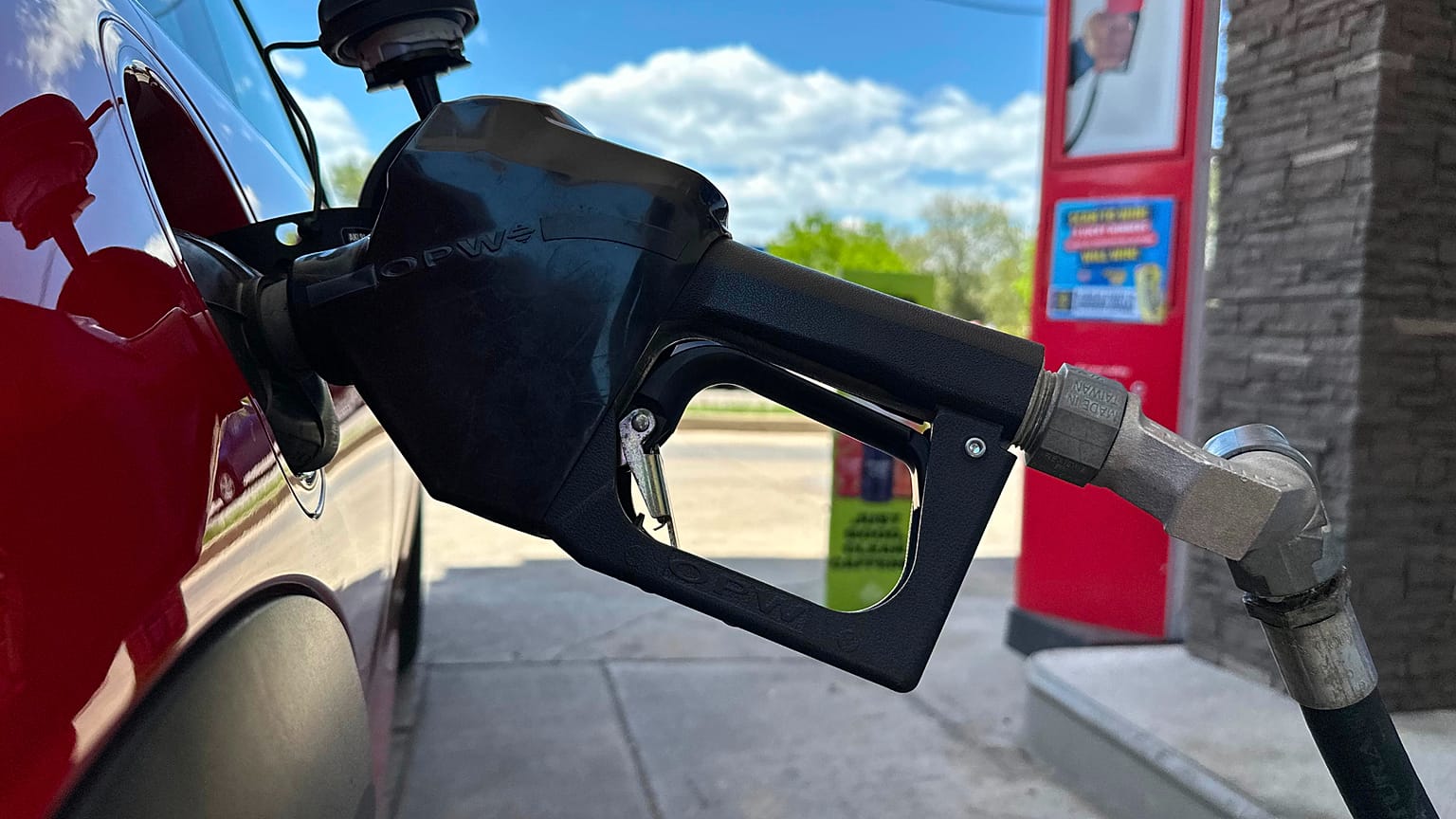
Gasoline prices rose in May after Iran closed the Strait of Hormuz, disrupting roughly one-fifth of global oil supplies. According to the Energy Information Administration, average US gasoline prices increased from about $4.04 a gallon in mid-April to $4.49 in mid-May.
Prices have since fallen back to an average of $4.16 a gallon nationwide, according to AAA, which could contribute to a softer inflation reading in June. Even so, fuel prices remain a concern for many Americans, with gasoline remaining above $4 a gallon since March.
Rising diesel prices have also increased transport costs. Companies, including UPS and FedEx, have introduced fuel surcharges in recent months, a development that could place further upward pressure on food prices. Grocery prices rose 0.7% in April and were 2.9% higher than a year earlier.
Higher inflation clouds Fed rate-cut outlook
Persistently elevated inflation has shifted the debate among Federal Reserve policymakers. At the start of the year, officials had indicated they expected to cut interest rates twice in 2026. More recently, however, several policymakers have suggested that the central bank's next move could be a rate increase rather than a cut.
Higher interest rates generally translate into increased borrowing costs for mortgages, car loans and business lending.
Investors on Wall Street currently expect the Fed to raise rates in December, according to futures market pricing tracked by CME FedWatch.
“Gasoline prices remain up almost 50% in 12 months in some states, and even if the US and Iran can come to some sort of resolution, the price rises are increasingly looking higher for longer," said Lindsay James, investment strategist at Quilter. James added that markets are now pricing in a quarter-point interest rate increase by year-end, with the potential for further hikes in 2027.
Despite rising inflation, the labour market has remained resilient. Hiring accelerated in May, and the economy continues to expand, reducing pressure on the Fed to lower borrowing costs to support growth. The data also suggest current interest rates are not significantly restraining economic activity.
However, some policymakers argue that slower growth may be necessary to bring inflation back towards the Fed's target.
Yields on two-year and 10-year US Treasury bonds have risen since Friday's stronger-than-expected jobs report, reflecting investor expectations that inflation could remain elevated and eventually require further monetary tightening.
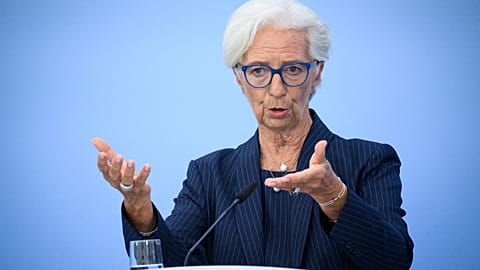
The inflation data also place Federal Reserve Chair Kevin Warsh in a difficult position. Warsh, who previously argued for lower interest rates and was appointed by Trump to succeed Jerome Powell, now faces renewed price pressures that may limit the Fed's room to ease policy.
For now, Trump and White House officials have largely argued that rates do not need to rise further, rather than calling for additional cuts.
Markets expect rates to remain unchanged at 3.5%-3.75% at next week's FOMC meeting, while investors will be watching for any shifts in the Fed's projections.
However, James noted that "Warsh is not a fan of forward guidance, making the future path for rates more uncertain."
The analyst added, "The US arguably has an inflation problem entirely of its own making, and it won’t be easy to resolve it and completely unwind the price rises we have seen this year to date."