





























Inflation rose in both Germany and Spain in April, driven mainly by higher energy costs linked to global geopolitical tensions, keeping eurozone price growth above the European Central Bank’s 2% target.
Prices in Germany rose by 2.9% in April compared with the same month last year, according to preliminary figures from the Federal Statistical Office. This marks the highest inflation rate in Europe’s largest economy since January 2024.
 ADVERTISEMENT
ADVERTISEMENT
ADVERTISEMENT
The EU-harmonised CPI in Germany increased by 0.5% month on month in April 2026, following a 1.2% rise in March.
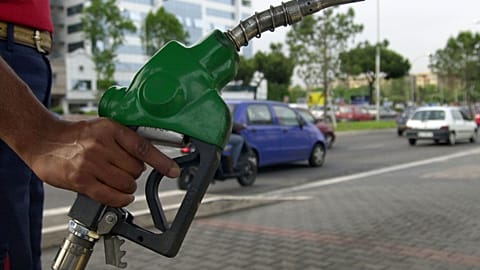
Consumer prices were driven up largely by energy costs, which jumped by more than 10% year on year, mainly due to the ongoing Middle East conflict and disruption in global energy markets, including turmoil after the Strait of Hormuz was closed following US–Israeli strikes.
According to non-EU-harmonised figures, food inflation also edged up to 1.2% from 0.9%, while services inflation eased to 2.8% from 3.2%. The core inflation rate, which excludes food and energy, fell to 2.3%, its lowest level since June 2021.
In a separate report, Spain’s National Statistics Institute (INE) said that the EU-harmonised annual inflation rate in Spain — the figure used by the European Central Bank for cross-eurozone comparison — accelerated to 3.5% in April 2026, the highest since June 2024, up from 3.4% in the previous month.
Monthly inflation was up 0.7%, slightly above expectations, following a 1.7% rise in March.
Previously, at the end of March, the Spanish government approved a package of 80 measures to tackle rising energy prices, including a reduction in VAT on fuel.
Non-EU-harmonised data showed that electricity prices fell, partly reflecting these government measures to cushion the impact of the Iran war, but fuel and lubricant prices for personal vehicles continued to rise.
Inflation data from the two countries comes amid growing concerns that the Middle East crisis is placing eurozone inflation on an elevated path, potentially forcing the European Central Bank to raise key interest rates further in order to contain price growth.
The ECB is due to decide on the future direction of rates on Thursday in Frankfurt.
Data from France and Italy are due on Thursday, alongside a reading for the 21-member eurozone, which is expected to show inflation of 3% — above the ECB’s 2% target and the highest level since 2023.