



























High-level US and Chinese officials have wrapped up two days of economic discussions in Paris, with the US Secretary of Treasury describing the sessions as productive ahead of President Trump's visit to China.
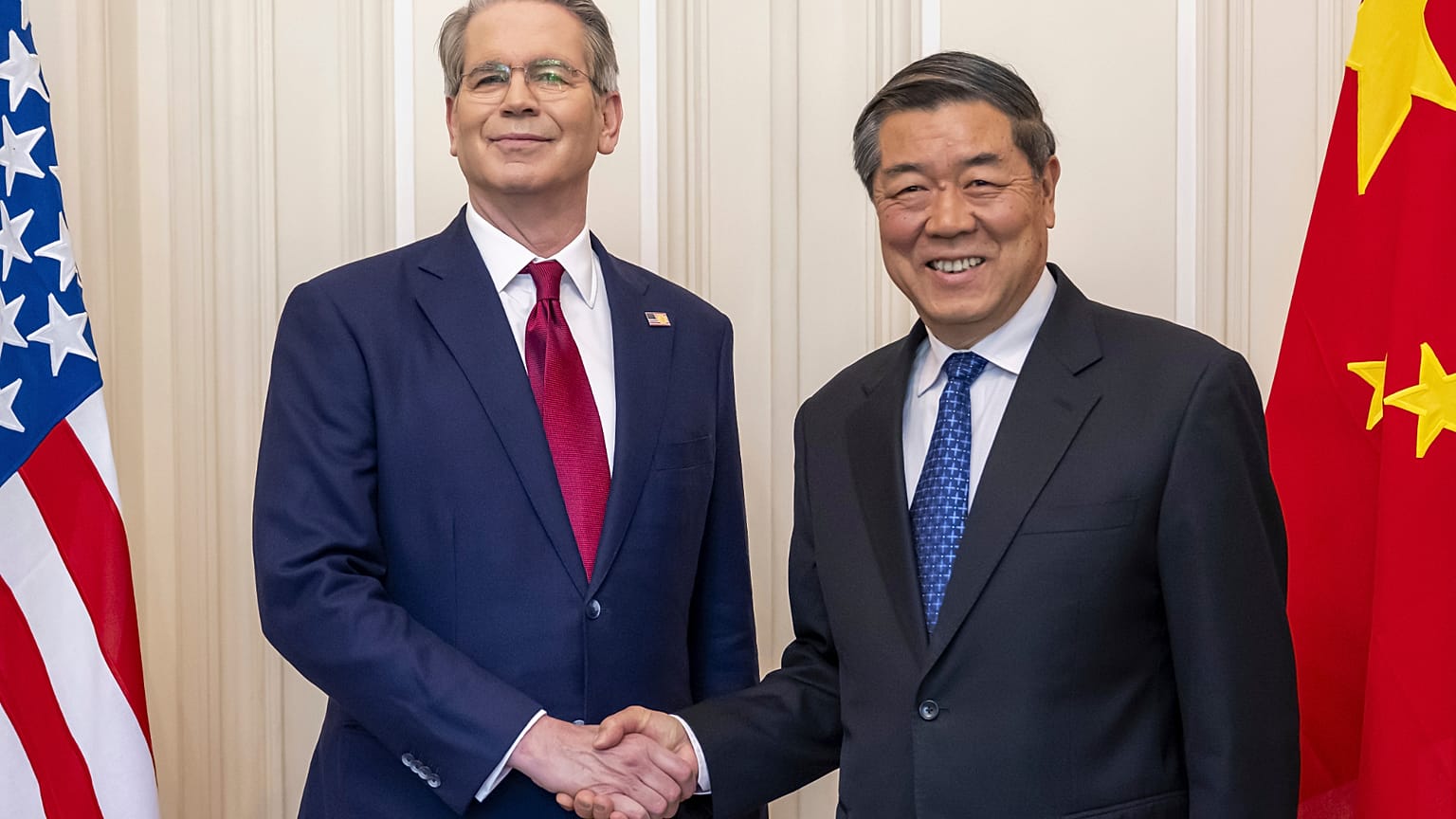
A US trade delegation led by Treasury Secretary Scott Bessent and Trade Representative Jamieson Greer wrapped up two days of talks with Chinese counterparts in Paris on Monday.
 ADVERTISEMENT
ADVERTISEMENT
ADVERTISEMENT
Bessent called the meetings "very good" in the first official American readout.
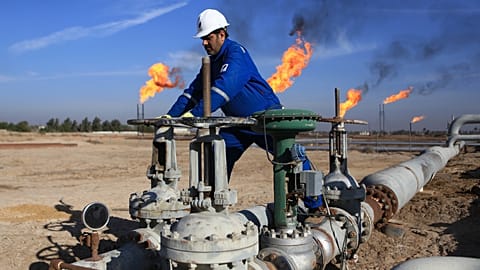
The delegation met with Chinese Vice Premier He Lifeng and chief trade negotiator Li Chenggang. US officials reportedly pressed Beijing to expand imports of Boeing jetliners and American coal, oil and natural gas.
The Paris round follows earlier discussions in Geneva, London, Stockholm, Madrid and Kuala Lumpur aimed at stabilising bilateral ties after last year’s tariff escalations.
The trade talks were also conducted in preparation for President Trump’s planned visit to Beijing at the end of March and against the backdrop of the ongoing Iran War.
Chinese counterparts allegedly also expressed openness to additional US agricultural purchases, including poultry, beef and non-soybean row crops, while reaffirming plans to buy 25 million metric tonnes of American soybeans annually for the next three years.
Moreover, the delegations explored formal mechanisms to manage trade and investment in non-sensitive sectors, including a proposed US-China “Board of Trade” and “Board of Investment”.
Progress was noted on critical minerals, with the US pressing for access to yttrium, a rare-earth element vital for jet engine turbines, and both sides identifying ways to ease restrictions.
Bessent stressed that any concrete deliverables would ultimately be decided by Trump and Chinese President Xi Jinping during the Beijing summit, scheduled for 31 March to 2 April.
The visit will be the first by a sitting US president in nearly a decade since Trump travelled to China during his first term, in November 2017.
Strait of Hormuz casts shadow over Trump-Xi summit plans
The economic dialogue unfolded in parallel to the ongoing Iran War, which has effectively closed the Strait of Hormuz, a critical chokepoint supplying the majority of China’s imported crude and roughly 20% of global oil trade.
Trump has suggested the Beijing visit could be postponed if China does not support the proposed US naval mission to escort oil tankers through the waterway.
In his press conference, Bessent clarified that any delay in the visit would be for logistical reasons only.
“If the meetings are delayed, they wouldn’t be delayed because the president demanded that China police the Strait of Hormuz,” Bessent stated.
“If the meeting, for some reason, is rescheduled, it would be rescheduled because of logistics. It would be a decision the president made as commander in chief to stay in the White House while this war is being prosecuted,” he added.
Marco Rubio expected to join Trump despite previous China sanctions
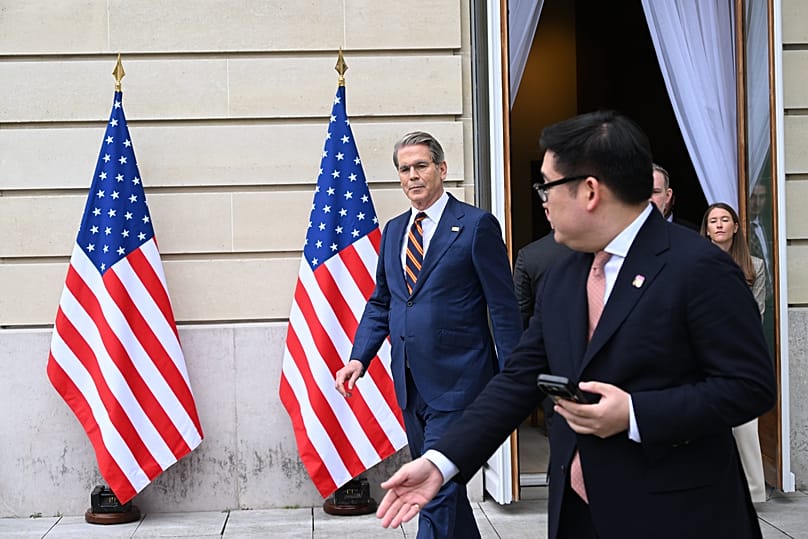
US Secretary of State Marco Rubio is reportedly expected to accompany Trump to Beijing.
China imposed sanctions on Rubio in 2020, when he was a senator, including travel restrictions over his positions on Hong Kong and Xinjiang.
China’s Foreign Ministry has indicated the measures targeted Rubio’s past actions as a senator and would not necessarily block his participation in the summit.
The inclusion of a former China policy hardliner like Rubio underscores the Trump administration’s balancing act between economic engagement and security priorities.
With the Paris talks now complete and the Beijing summit less than two weeks away, attention will turn to whether the positive tone described by Bessent can translate into concrete commitments on aircraft, energy and agriculture, among other areas.