
















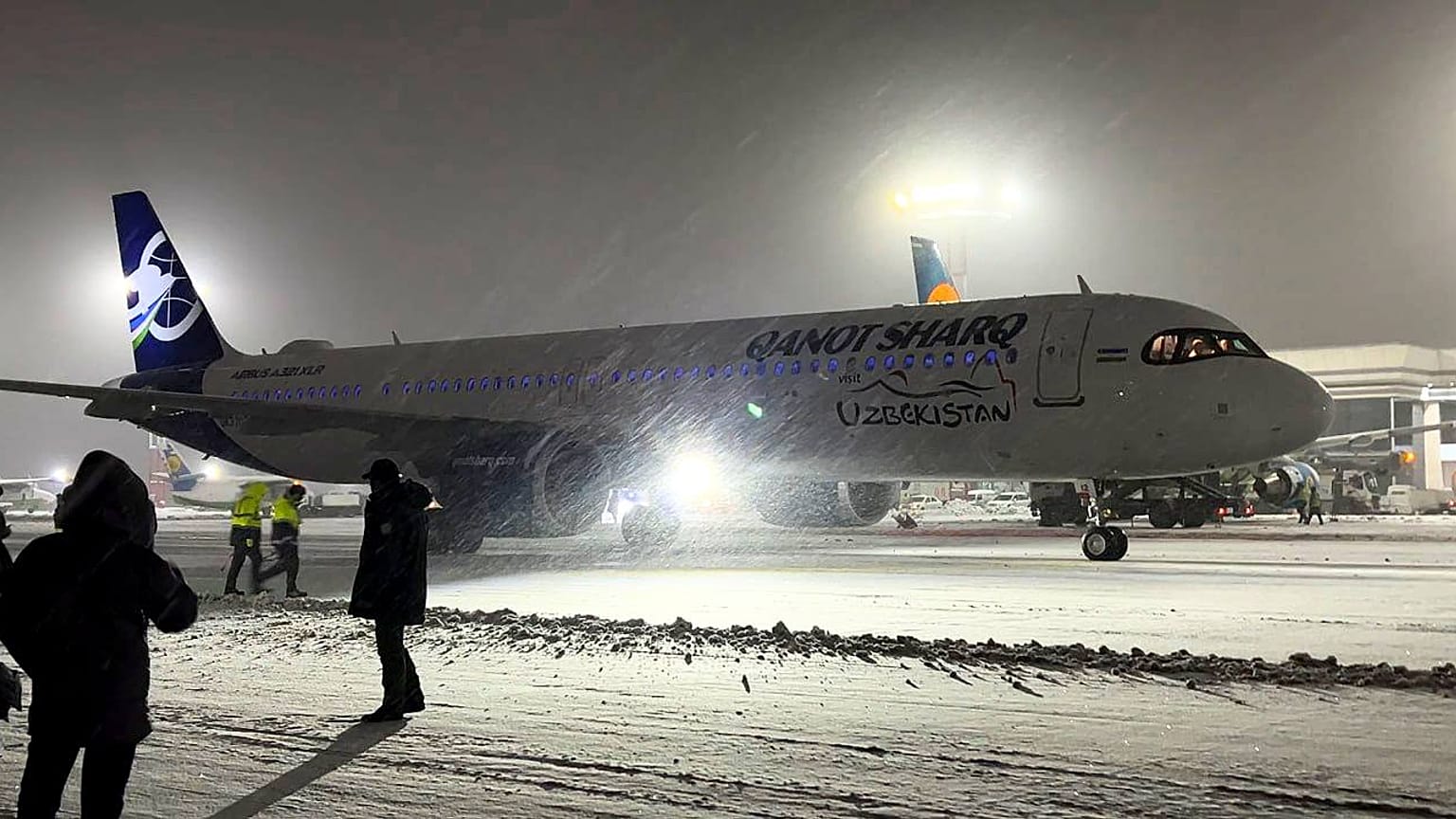














With the Airbus A321neo XLR, Qanot Sharq gains the ability to operate long-haul non-stop routes with narrow-body efficiency, enabling new direct connections between Central Asia, Europe and Asia-Pacific destinations.
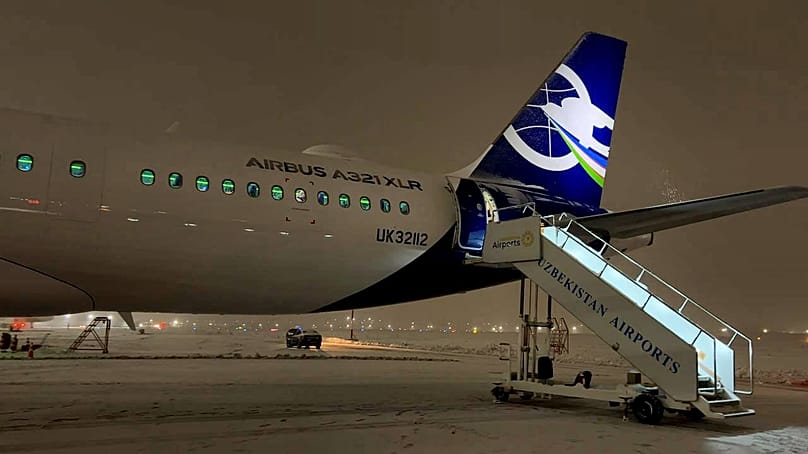
Uzbekistan’s private airline Qanot Sharq added a Airbus A321neo XLR to their fleet, becoming the first operator of the aircraft type in Central Asia.
 ADVERTISEMENT
ADVERTISEMENT
ADVERTISEMENT
Jahongir Rustamov, Director of the Flight Safety Department at Qanot Sharq, described the delivery as a landmark moment not only for the airline. “This aircraft is unique not just in our country, but across all [Central Asian] states," he said.
Efficiency of the aircraft
The new Airbus A321neo XLR arrived in Tashkent following a direct delivery flight from Hamburg, Germany and is the longest-range single-aisle aircraft currently in operation, capable of flying up to 8,700 kilometres.
This is around 1,300 kilometres more than the A321LR variant, meaning that airlines can operate long-haul routes previously with narrow-body efficiency.
For decades, flights longer than 7–8 hours were almost exclusively operated by wide-body aircraft with large fuel capacity, higher passenger and cargo volumes and crew rest areas.
Single-aisle or slim-body aircraft, by contrast, were previously designed for short and medium haul routes of up to 4–6 hours. Older narrow-body jets simply could not carry enough fuel without sacrificing payload or safety margins.
According to Rustamov, the aircraft’s extended range and increased maximum take-off weight significantly expand operational possibilities.
“The XLR which stands for Extra Long Range has a higher take-off weight than previous A321 versions and can remain airborne for up to around 13 hours. This allows non-stop operations even across the Atlantic, connecting Europe and the United States,” he explained.
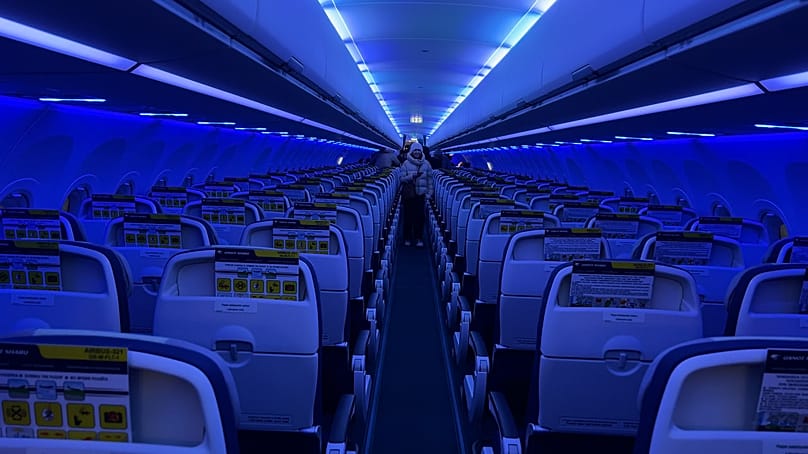
Qanot Sharq’s A321neo XLR is configured with 190 seats, including 16 full-flat business class seats and 174 economy class seats. It features the Airspace cabin, larger overhead bins providing up to 60% more storage space, modern LED lighting and in-seat connectivity for passengers.
The aircraft is powered by CFM LEAP-1A engines, offering improved fuel efficiency and lower emissions.
Industry data indicate the A321XLR delivers up to 30% lower fuel burn per seat compared to previous-generation aircraft, supporting sustainability and cost-efficiency goals.
Rustamov also underlined the aircraft’s operational simplicity and safety, noting that flight crews had undergone specialised training.
“Despite its advanced capabilities, the aircraft is simple and safe to operate. Our first flight is being carried out by highly experienced pilots, and safety remains our absolute priority,” he said.
The aircraft was delivered under a long-term lease agreement with Air Lease, which confirmed this is the first of four A321XLR aircraft scheduled to join Qanot Sharq’s fleet.
Air Lease Senior Vice President AJ Abedin previously noted that Uzbekistan’s geographic position, combined with the aircraft’s efficiency, opens new opportunities for long-haul connectivity.
Qanot Sharq owner Nosir Abdugafarov told Euronews that the arrival of the A321neo XLR strengthens Uzbekistan’s ambitions to become a regional aviation hub.
Globally, the A321XLR has attracted strong demand from airlines seeking flexibility on long-thin routes, reflecting a broader shift in the aviation industry towards more fuel-efficient long-range narrow-body operations.