













Rays are often accidentally caught in fishing nets, which can cause females to expel their eggs. This Portuguese project gives pups a second chance.
Rare and vulnerable rays in Greece's Thermaic Gulf are being given a greater chance of survival through a new marine biodiversity protection initiative.
 ADVERTISEMENT
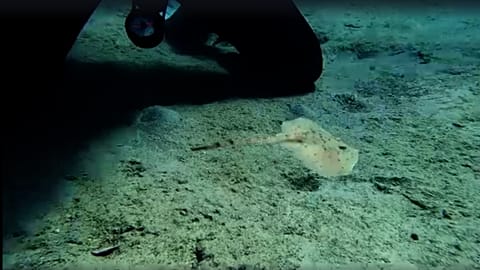
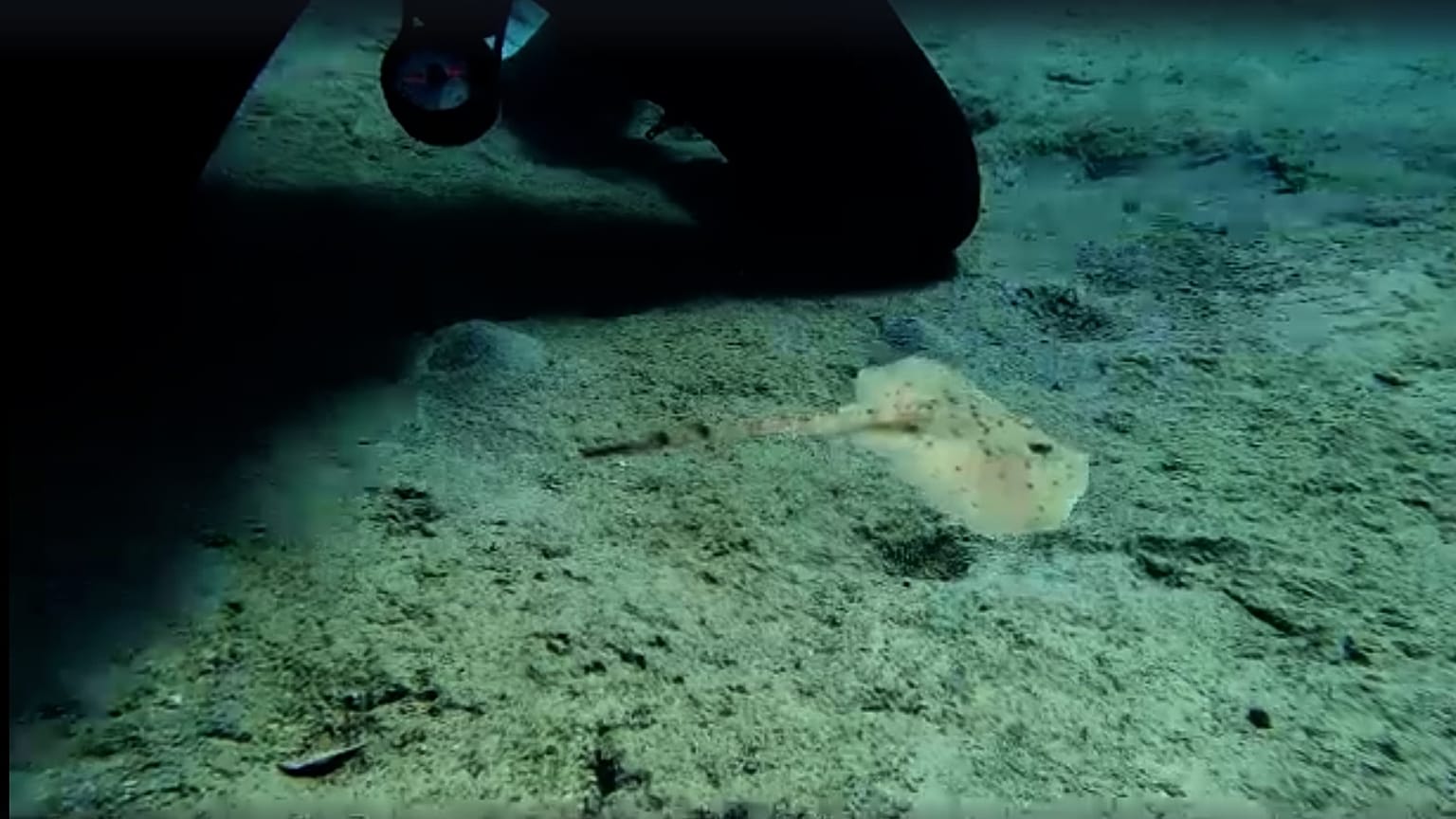
A Euronews camera captured the first movements of a newborn Kalkanovatos ray just a few minutes after it hatched in a specially designed aquarium in Halkidiki.
Its egg, together with four others, had been found in fishermen's nets and transferred to a specially designed aquarium. There, the eggs were kept under controlled conditions, with a specialised scientific team monitoring their development up to the moment of hatching and beyond. The initiative is part of the Thermaikos Biodiversity Project, a programme to protect biodiversity in the northern Aegean.
This specific action seeks to address 'by-catch', when fishing operations haul in unintended marine life. When a female ray is accidentally caught in the nets, the stress may cause it to expel its eggs, which often end up in the sea without any chance of completing their development.
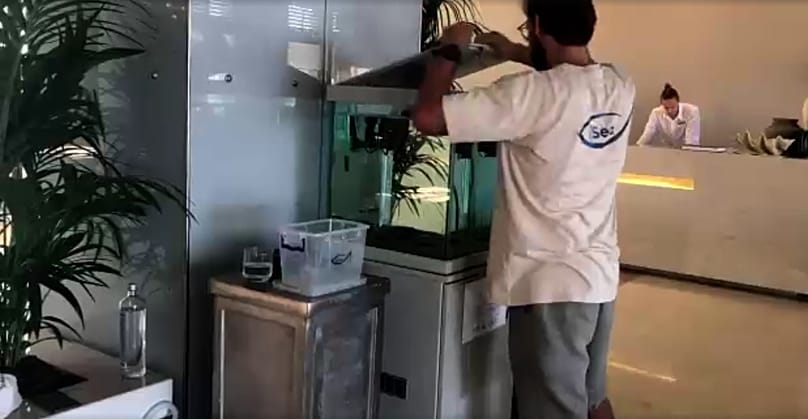
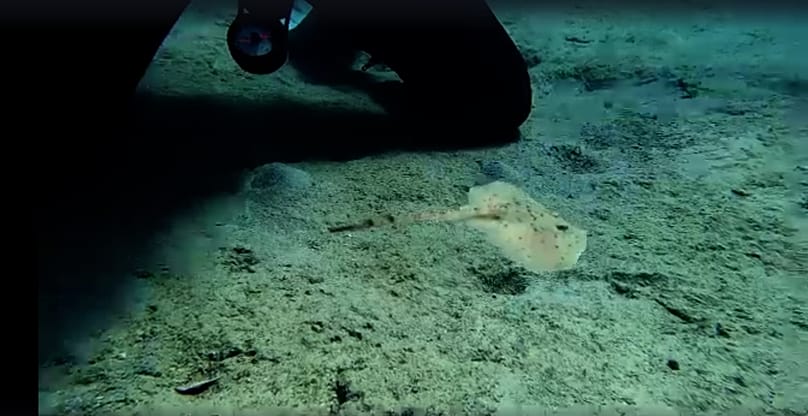
Newborn rays are monitored and then returned to the wild
In the specially designed aquarium, located within the facilities of the Sani hotel on the Kassandra peninsula, special care is taken to replicate the environmental conditions of the surrounding sea. The aim is to ensure the appropriate temperatures and conditions first for hatching and then for the survival of the newborn rays.
As João Bernardo, the scientific coordinator of the Thermaikos Biodiversity Project, explains, the programme gives a second chance to eggs collected from fishermen's nets. After hatching, the young rays are closely monitored, in cooperation with the Lamna Institute in Valencia, for scientific purposes. They are then prepared for their return to the wild.
A few days later, with the help of divers from the environmental organisation iSea, which works to protect aquatic ecosystems and under whose umbrella the Thermaikos Biodiversity Project has been developed, the newborn rays are released into the sea.
They are returned at a specific depth, where the temperature and water quality are close to the conditions they were used to during their stay in the aquarium.
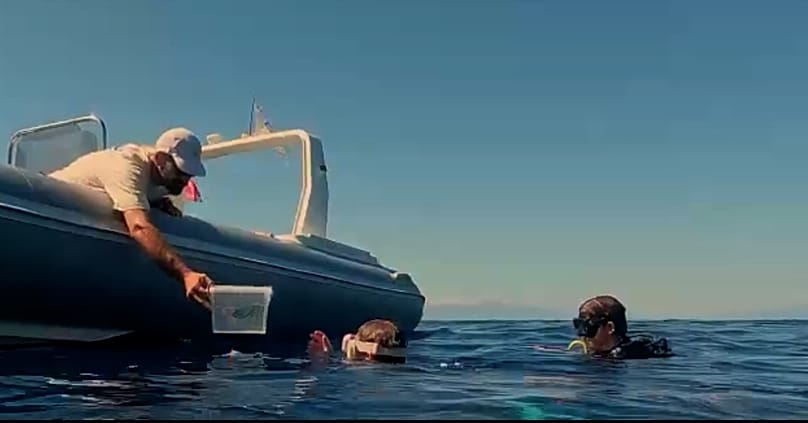
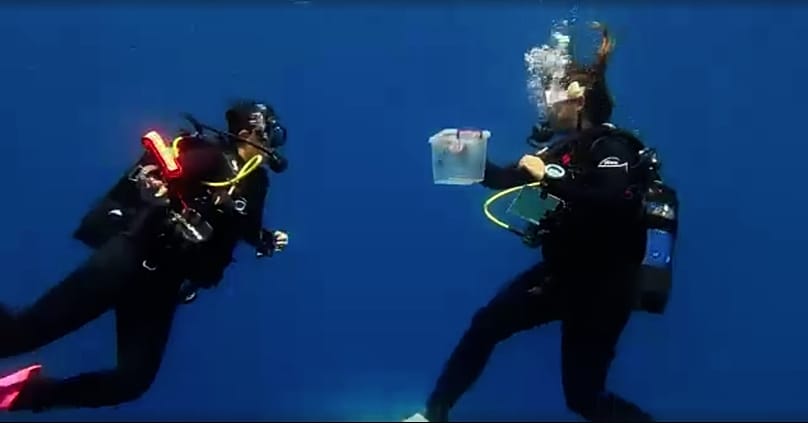
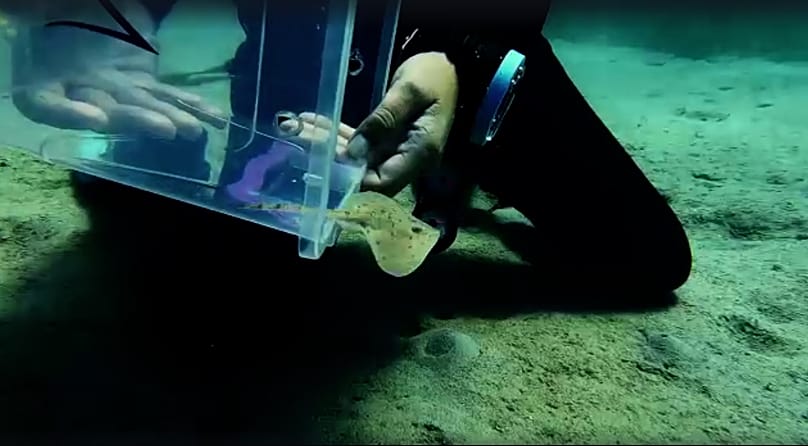
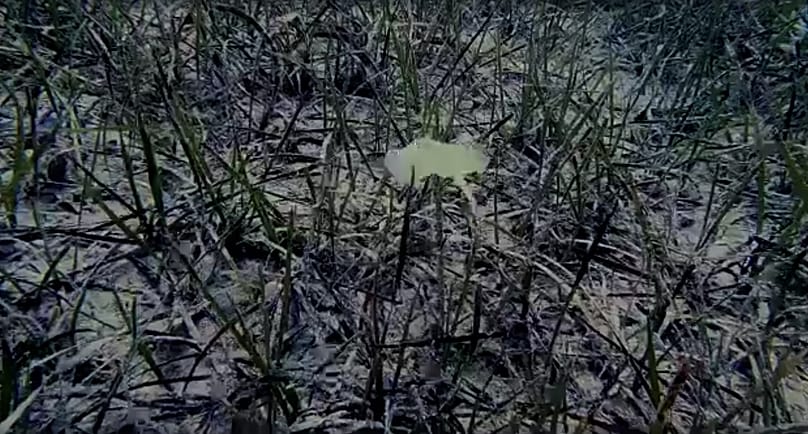
For the young rays, returning to the Thermaic Gulf marks the start of a new journey. Their birth may be the first important step, but survival in the sea remains a difficult process. Having overcome the first obstacle, which in their case was their very birth – something that was far from guaranteed – they now have to survive in their natural environment and help maintain future generations of their species.
Why do rays need protection?
Rays are among the most threatened groups of fish worldwide, and their conservation is directly linked to the balance and health of marine ecosystems. Almost half of ray species in Greece are at risk of extinction according to the Greek Red List, with by-catch being their main threat.
So far, using the process described, two small Kalkanovatos rays have hatched in 2026 and have already been released into their natural environment in the Halkidiki area, while other eggs are under observation and are expected to hatch in the near future.
The restoration of threatened ray species is one of the actions of the Thermaikos Biodiversity Project. The programme started five years ago with the initial aim of systematically monitoring the dolphins of the Thermaic Gulf. The programme has since expanded its scope, linking scientific research with the protection of marine life and efforts to tackle the impacts of human activity.