

















The US president expressed confidence that a peace agreement between Kyiv and Moscow was within reach, despite deep divisions over territorial concessions and post-war security guarantees.
US President Donald Trump suggested that Ukraine's territory could change as part of a future agreement with Russia, days before US-mediated talks between Kyiv and Moscow in Abu Dhabi.
 ADVERTISEMENT
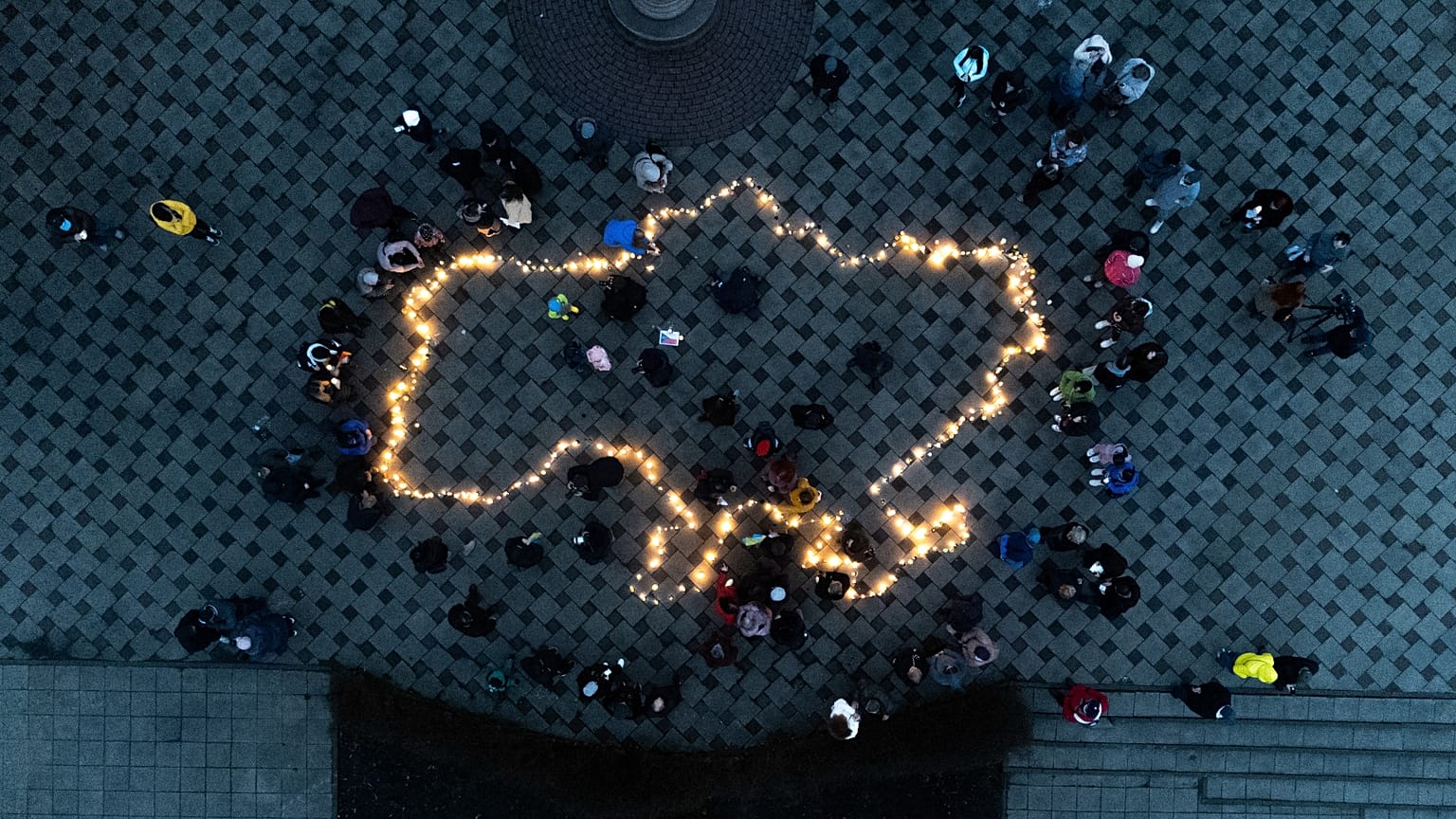
"I think we're going to have it done and I think it's going to happen, and they're going to end up with a little bit different shape (for) Ukraine," Trump told CBS's "60 Minutes" in an interview published on Monday.
His remarks come ahead of trilateral negotiations involving Ukraine, Russia and the US, scheduled for 10–11 November in Abu Dhabi, the UAE.
Trump expressed confidence that an agreement was within reach, although Kyiv and Moscow remain deeply divided over territorial concessions and the security arrangements that would follow any ceasefire.
"There's a very important meeting taking place," Trump said. "I believe that that war is going to end and it's going to end soon. And the only reason it's going to end is because of me."
The US president did not elaborate on what he meant by Ukraine having a different shape or specify which territorial changes he envisaged.
Rubio points to progress on security guarantees
US Secretary of State Marco Rubio said on Sunday that progress had been made in discussions over post-war security arrangements for Ukraine and Europe, suggesting that further advances could follow this week's negotiations.
Speaking ahead of a visit to Paris for talks with G7 foreign ministers, Rubio said a central question was what security arrangements would be needed to protect Ukraine and the wider European continent after the war.
"What is the postwar security infrastructure of Ukraine and more broadly of the European continent going to look like?" Rubio told reporters.
"I think that's what the president's alluding to - is that there's been some advances made in what that architecture could look like post-conflict," he added.
European Commission President Ursula von der Leyen confirmed that the EU would also be present in Abu Dhabi alongside its partners.
France will also be represented at the negotiations, according to Foreign Minister Jean-Noël Barrot.
Territorial disputes remain a major obstacle
Russia and Ukraine remain far apart over the terms of a potential settlement, particularly the future of Ukrainian territories occupied by Moscow's forces.
Vladimir Putin has repeatedly demanded that Ukraine withdraw its troops from four regions that Moscow illegally claimed to annex in 2022, despite never establishing full control over them.
The Kremlin also insisted that Kyiv abandon its ambitions to join NATO and accept restrictions on the size and capabilities of its armed forces.
Ukraine categorically rejected the demands to cede territory, including areas Russia has failed to capture militarily, and insists that credible security guarantees are essential to prevent another Russian invasion.
Kyiv called for an immediate ceasefire as a first step towards a broader settlement, maintaining that territorial questions would ultimately require direct talks between Zelenskyy and Putin.
Asked about the biggest obstacle to reaching an agreement, Trump pointed to the relationship between the two leaders.
"It was the hatred between Zelensky and Putin," he said.
When asked whether Zelenskyy's hostility towards Putin was understandable given Russia's invasion, Trump referred to what he described as disrespect towards Moscow during an earlier meeting between the two presidents.
Asked whether he trusted Putin or Zelenskyy more, Trump declined to choose.
"I'd rather not say, but I get along with both," he said, adding that he did not believe Putin was deliberately prolonging negotiations.