

















Qatar has denied interfering in the election or funding efforts to influence the result, calling the accusations “ridiculous and dangerous”.
Benjamin Netanyahu and his Likud party are alleging election interference and fraud after Israel’s election results left his bloc short of a parliamentary majority.
 ADVERTISEMENT
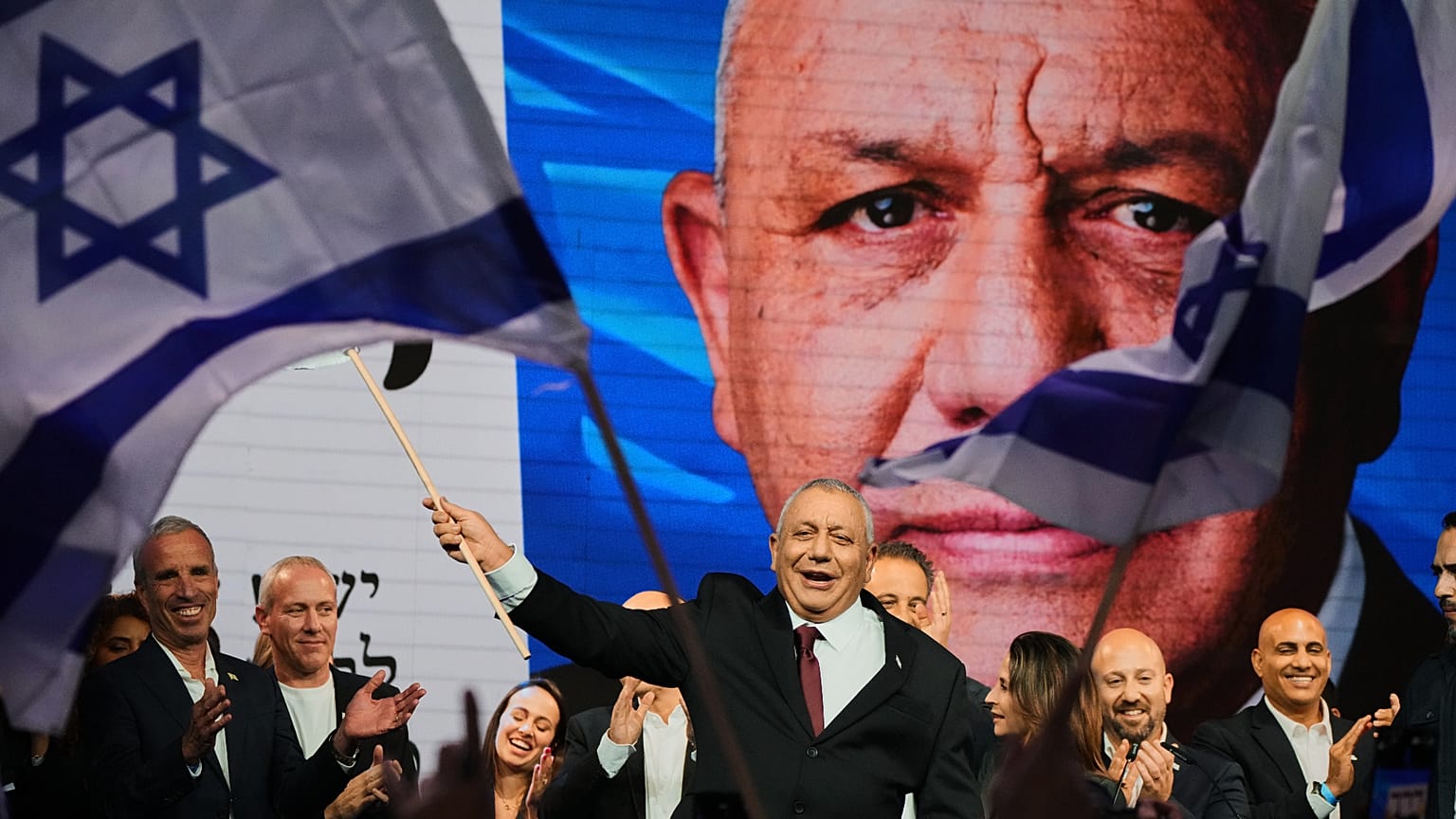
The final count, expected on Thursday evening, is set to confirm that Netanyahu's bloc has fallen short of the 61 seats needed for a majority. With around 90% of votes counted, Netanyahu’s bloc was projected to win 53 seats, the opposition led by Gadi Eisenkot 48, and Arab-led parties 19.
The result represents major gains for the Arab-led parties, potentially giving them a decisive role in determining whether a government without Netanyahu can be formed.
The election saw record participation by Arab citizens of Israel, many of whom are descendants of Palestinians who remained after the country's creation in 1948. The campaign had seen Netanyahu and his far-right allies repeatedly portray Arab-led parties as a threat.
Netanyahu alleges interference
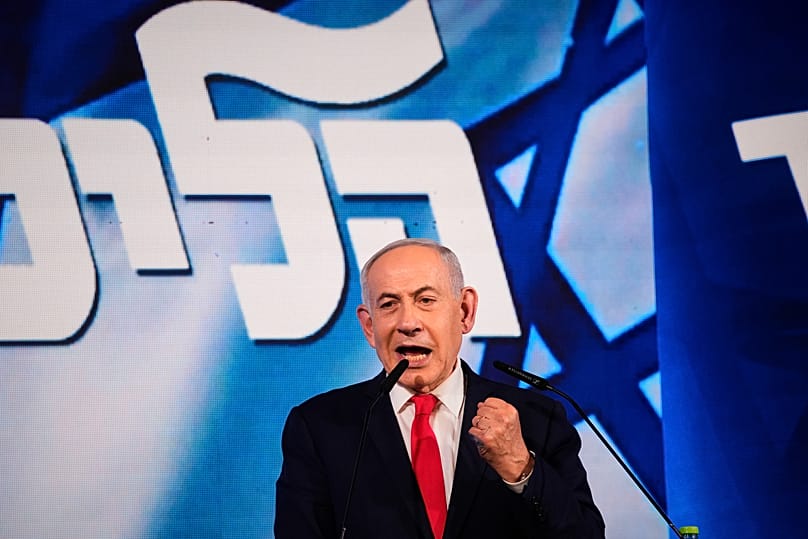
Netanyahu, who has served as Israel's prime minister on and off since 1996, has accused Arab parties of benefiting from foreign interference and funding. Neither he nor his allies have publicly provided evidence to substantiate those claims.
In a post on the social media platform X, Netanyahu quoted his Likud party, saying: "The elections in the State of Israel were stolen by Arab parties that support terrorism and the elimination of the Jewish state through serious criminal offences of bribery, threats, violence, forgeries, and the use of prohibited software to mobilise voters."
In another post on Thursday morning, he wrote: "Why did Ahmad Tibi visit Qatar 4 days before the elections?" Ahmad Tibi is a Palestinian-Israeli politician and a senior figure in the Ta'al party.
Israel's Central Election Commission has asked the Shin Bet security service to investigate alleged foreign interference. However, the request itself reportedly did not specifically accuse Arab-led parties of wrongdoing. AP also reported that the commission said there was no basis, to its knowledge, for claims of systematic violations of election integrity.
The Arab-led Joint List rejected the accusations, saying Netanyahu’s camp was trying to delegitimise the Arab vote because of its increased political influence. It accused Netanyahu of "working to steal the election".
Ra’am leader Mansour Abbas said he welcomed an investigation into allegations of wrongdoing but said his party had "no connection" with them.
Netanyahu himself has previously faced scrutiny over alleged links between aides and Qatar, after two of his aides were arrested last year on suspicion of receiving payments from the Gulf state.
Qatar has categorically denied interfering in the election. Its Foreign Ministry spokesman, Majed Al Ansari, said: "They accuse Qatar of buying off Benjamin Netanyahu, the Israeli political left and now, in this latest campaign, the Arab vote. These accusations are ridiculous and dangerous in equal measure."
Israel's President Isaac Herzog has also called for a full investigation, while warning against stigmatising the country’s entire Arab community.

What happens next?
The full count is expected on Thursday evening, although the official election results are due to be certified by 4 November.
President Herzog will then decide whom to ask to try to form a government.
The next Knesset is due to be sworn in on 10 November.
If no coalition can be formed after several attempts, Israel could face another election early next year.
The political uncertainty is unfolding alongside the possibility of renewed Israeli or US strikes on Iran, which could further complicate coalition negotiations.