




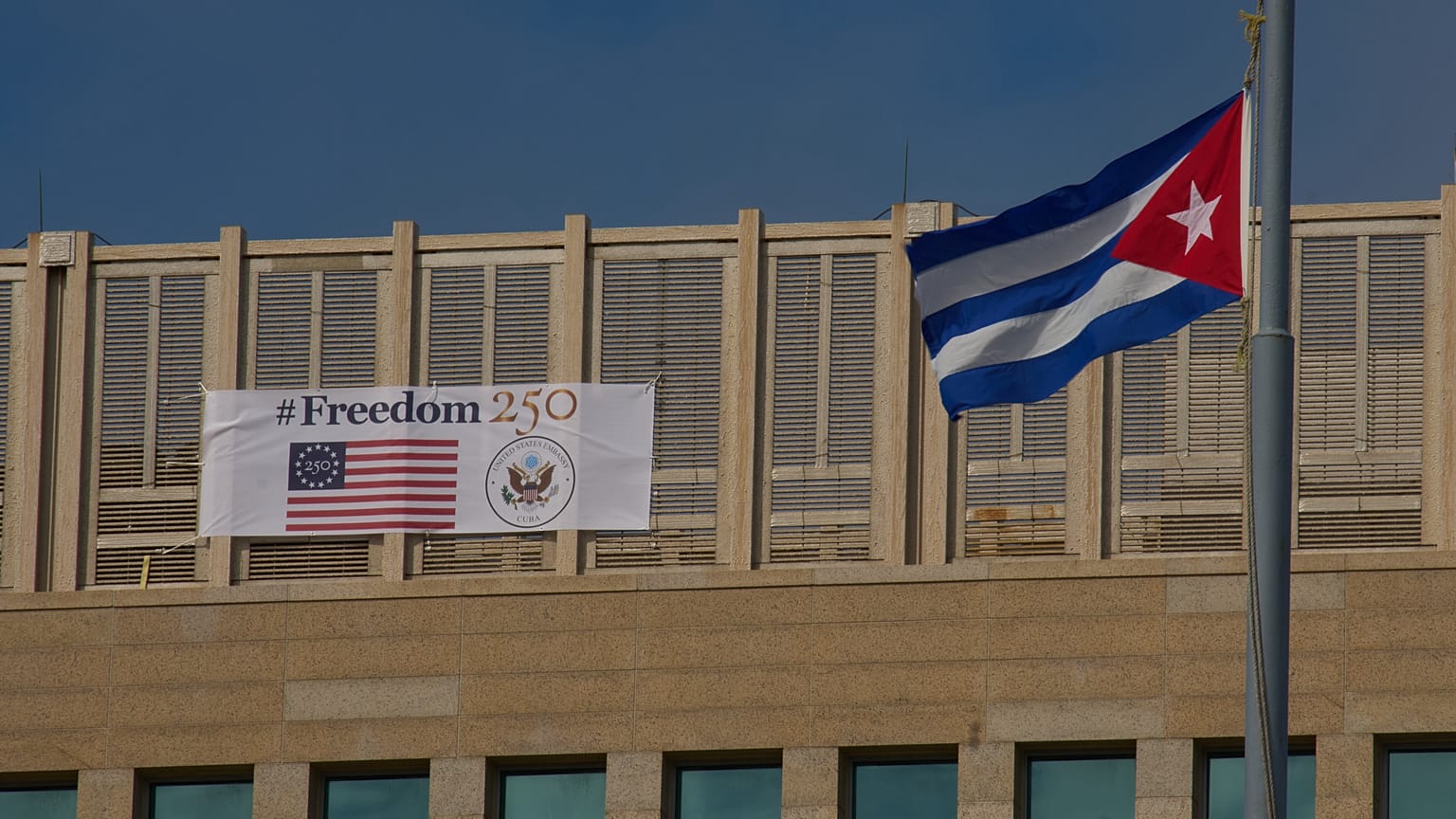













Similar resolutions have been approved almost every year since 1992, but usually by overwhelming margins.
The UN General Assembly has again called for an end to the US embargo on Cuba, but support for the resolution fell to its lowest level in more than 30 years.
 ADVERTISEMENT
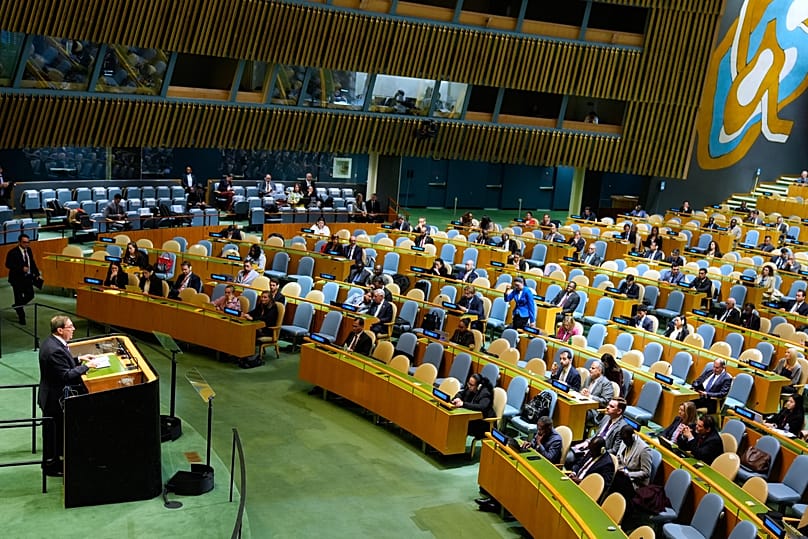
The resolution, which has been put forward and approved almost every year since 1992, passed with 130 countries in favour, 17 against and 25 abstentions. That's the lowest level of support since 1995.
Last year, more than 160 countries backed the proposal. Germany, Italy and Latvia abstained for the first time in 34 years.
Several countries, including Colombia, Costa Rica, Ecuador, Morocco, Slovenia and Bosnia, voted against the resolution, many for the first time.
The resolution, while not legally binding, is seen as a reflection of international opinion. It calls for the lifting of the economic, trade and financial embargo against the island.
Renewed US pressure campaign against Cuba
The US embargo dates back to 1960, after Fidel Castro’s revolution and the nationalisation of US-owned property. Tensions between the US and Cuba are currently running high, with a renewed pressure campaign by Washington including restrictions on oil supplies and broad sanctions that have severely damaged Cuba's economy.
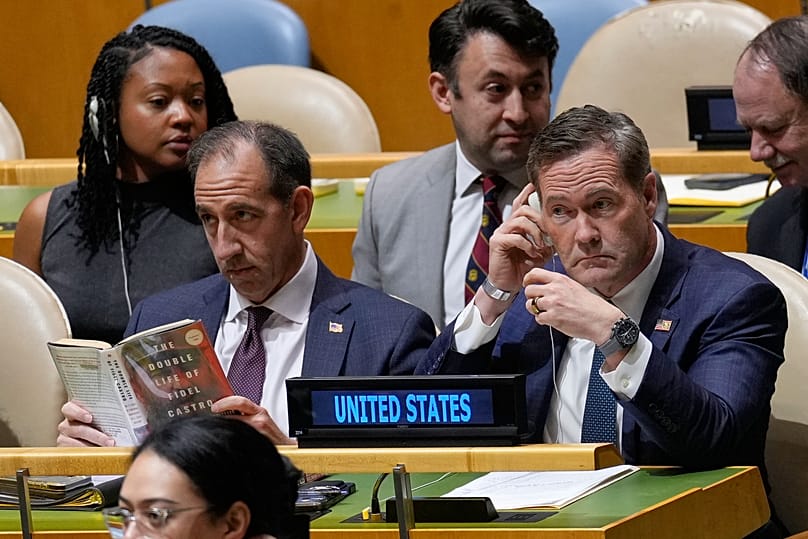
Just minutes before the vote took place in New York, US ambassador to the United Nations Mike Waltz denied that Cuba was under a blockade and said "the plight of the Cuban people is exclusively the fault of this corrupt communist regime."
The Cuban government has in recent weeks accused the US of mounting a diplomatic offensive to pressure countries into withdrawing their support for the resolution.
Cuba's Foreign Minister Bruno Rodríguez accused Washington of seeking to "determine the nation's destiny" and "seize" its wealth.
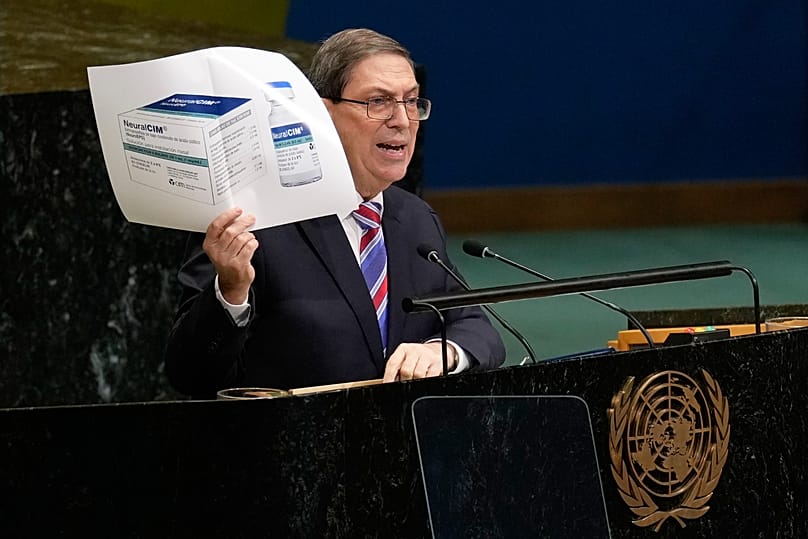
There was also a heated confrontation between Rodríguez and Waltz, during which Rodríguez approached the US ambassador and accused him of lying, while Waltz shouted for him to back away.
During Tuesday's session, Waltz accused senior Cuban officials of enjoying luxury lifestyles while ordinary Cubans faced shortages. He held up pictures of Cuban leaders past and present, including President Miguel Díaz-Canel, wearing luxury watches, prompting members of the Cuban delegation to repeatedly bang on their desks in protest.
Writing on the social media platform X, Díaz-Canel accused the US of engaging in "gangster-like coercion."
"The world has once again spoken out overwhelmingly against the blockade, even despite the most blatant pressure and blackmail from the US to change the course of this vote," he wrote.
In January, President Trump threatened tariffs on countries supplying oil to Cuba, a move that has sharply reduced fuel deliveries and contributed to widespread power cuts and disruption to water, internet and telephone services.
Cuba is continuing to face severe economic hardship, with widespread shortages of fuel and other essentials, frequent power cuts and disruption to basic services including water, internet and telephone networks.