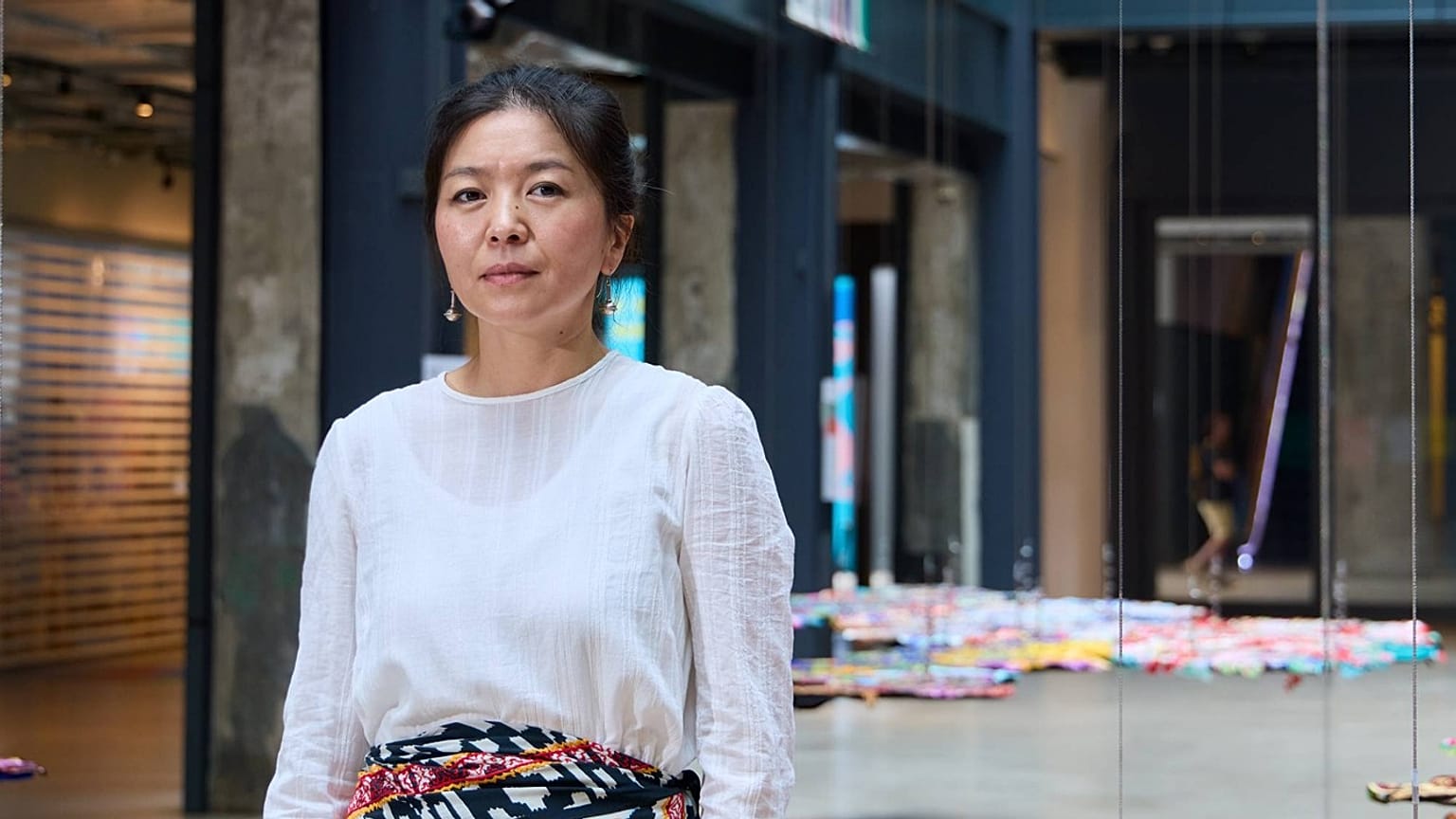


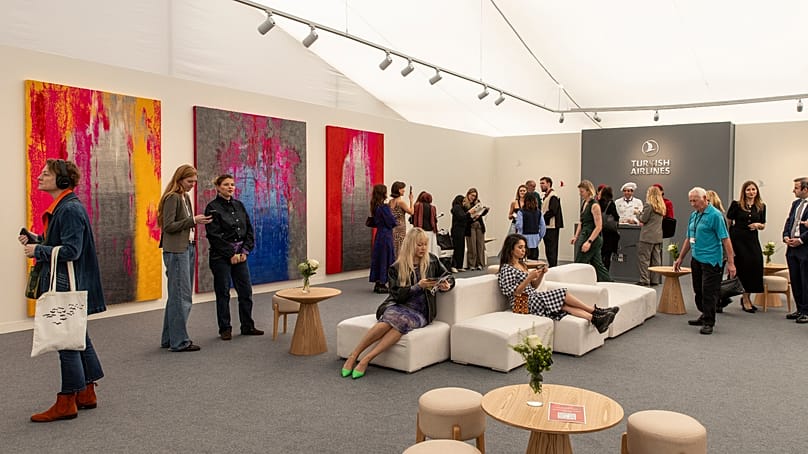
Presented in collaboration with Turkish Airlines, artist Gulnur Mukazhanova brought her ongoing Bosağa textile series to Frieze London 2026.
What can a piece of fabric tell us about where we come from, where we have been and where we are going?
 ADVERTISEMENT
At this year's Frieze London, considered one of the world's most influential contemporary art fairs, Kazakh-born, Berlin-based artist Gulnur Mukazhanova explored these questions through a series of textile artworks that brought together centuries of cultural history.
Presented in collaboration with Turkish Airlines, Bosağa: Journeys Across Cultures and Time features a triptych from her ongoing Bosağa series which she began in 2021. The title comes from a word shared by Kazakh and other Turkic languages, meaning “threshold” - a point of passage between places, cultures or even different states of being.
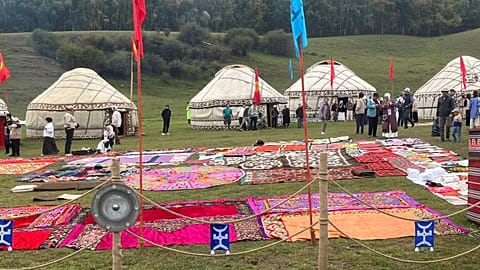
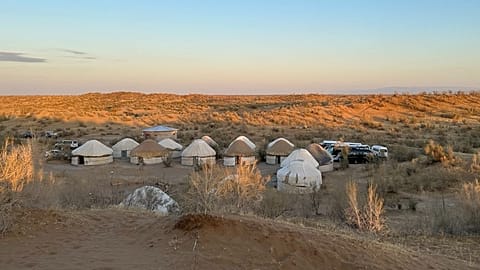
At the heart of the works is felt - a material deeply rooted in the nomadic traditions of Central Asia. Traditionally used to construct yurts, felt provided shelter for generations of the artist's ancestors as they travelled across vast landscapes.
Mukazhanova combines handmade felt with fragments of vibrant fabric collected during her travels across Asia. Rather than sewing or gluing these pieces together, she pins them into place, creating a feeling of fragility and reflecting the idea that things don’t have to be permanent.
Her work also draws inspiration from the tuskiiz, a traditional Kazakh embroidered wall hanging often rich in symbolism and associated with protection. Her research into 14th-century Italian art also informed the series, particularly the richly decorated carpets that travelled from Asia to Europe along the Silk Road.